
Disclosure: This post may contain affiliate links, which means I may earn a small commission at no extra cost to you. I only share products I genuinely love and recommend. This content is also for educational purposes only and is not intended to diagnose, treat, cure, or prevent any illness or disease. Please consult your healthcare provider with any medical concerns or medication questions.
I hope you never have to deal with a stomach ulcer. Truly. But if you’re reading this, chances are you or someone you love is navigating the burning pain, the bloating, and the bitter taste that just won’t quit. So let’s talk about it and explore a few hopeful remedies that might help!
When we understand what’s going on in our body, we’re way better equipped to help it heal. And even if you’re not the one with an ulcer, having this info might help you guide someone who’s suffering. Whether it’s your partner, your mom, your coworker, or your best friend.
So, let’s dig in!
👉 Before we get started:
Be sure to access my free Ultimate Gut Health Starter Kit. It’s an evidence-based guide to help you build a strong foundation for gut health, support digestion, and nourish your microbiome naturally.
What Is a Stomach Ulcer?
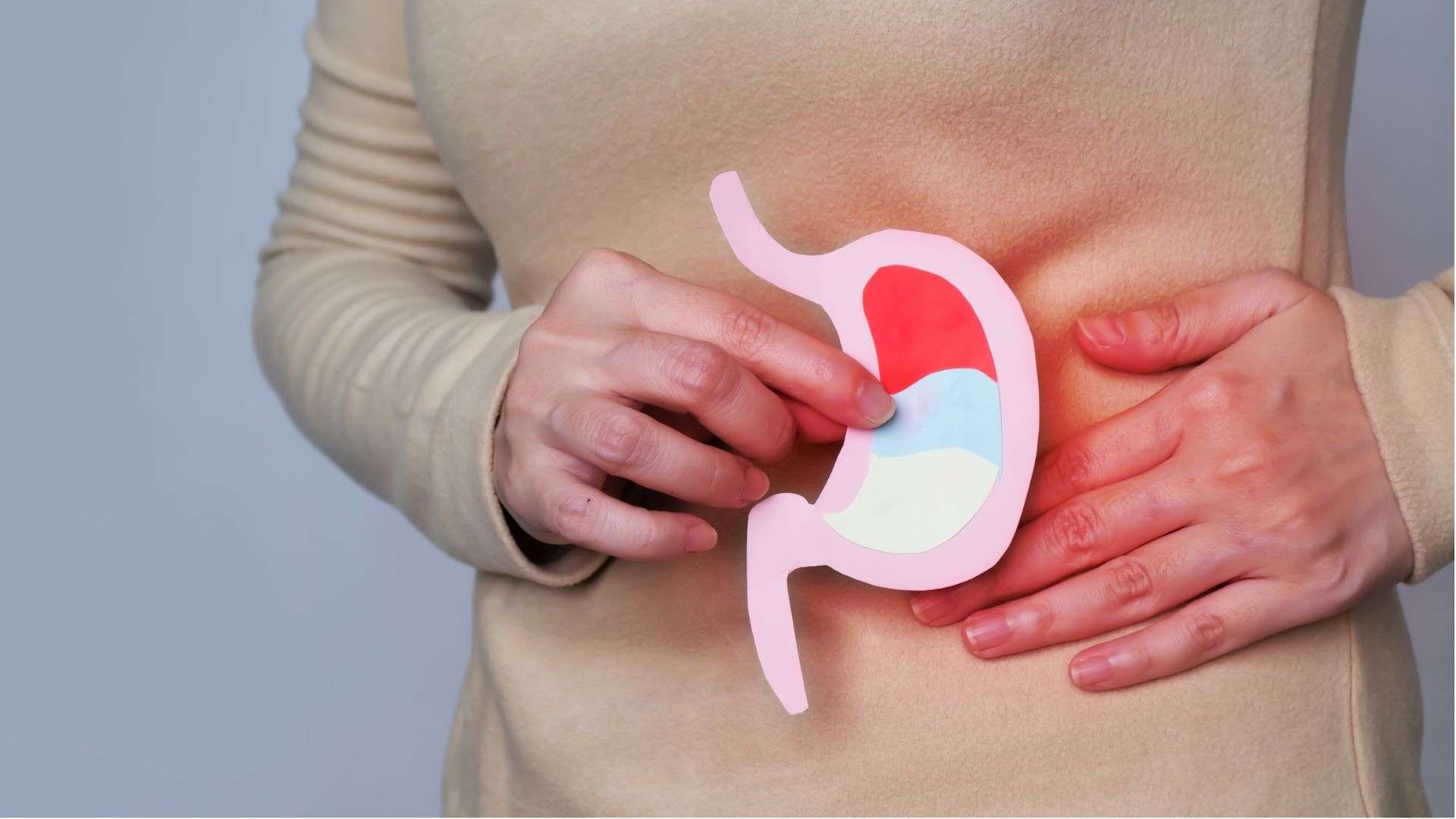
Think of a stomach ulcer as an open wound… inside your stomach. It’s like when you scrape your knee, only this time it’s on the mucosal lining that protects your stomach, esophagus, or small intestine.
And yes, it can bleed.
Ulcers aren’t just painful; left untreated, they can lead to chronic inflammation and, over time, create the perfect storm for more serious issues.
That doesn’t mean every ulcer turns into something life-threatening, but they’re a clear sign your gut needs support.
9 Natural Ways to Help Heal Stomach Ulcers
1. Drink Cabbage Juice
This might sound odd, but cabbage juice is one of the oldest, most effective natural remedies for stomach ulcers.
Practitioners have used it for years, even back in Greek and Roman times.
- Drink 4–8 oz. of fresh cabbage juice on an empty stomach, 2–3 times a day.
- Juice it fresh in the morning for best results.
- Mild taste, easy to make, and surprisingly soothing to the stomach lining.
2. Cut Out Acidic Foods
Your gut is inflamed, and tossing in high-acid foods is like pouring lemon juice on a paper cut. Ouch.
Skip these while healing:
- Coffee
- Alcohol
- Raw onions, spicy peppers
- Citrus fruits and juices
These can worsen inflammation and delay healing. Just take a break until your gut feels stronger.
3. Avoid Betaine HCL Supplements
Even though betaine HCL is helpful for digestion in many cases, it’s not a good idea if you have an active ulcer.
- It increases stomach acid (which you don’t need more of right now).
- Using it too soon can make ulcers worse.
- Wait until your ulcer is fully healed before reintroducing.
4. Take Mastic Gum
Mastic gum is a natural plant resin that’s been traditionally used to calm inflammation and fight off H. pylori, a common bacterial cause of ulcers.
- Dose: 2 grams daily (1g in the morning, 1g before bed)
- Always take it on an empty stomach
- Especially helpful if your ulcer is caused by H. pylori (a common bacterial infection)
👉 Side note: Looking for simple tools to support your digestion? My Free Wellness Library is full of meal planners, gut guides, and daily trackers. You can get free access below!

5. Use Baking Soda as a Gentle Acid Neutralizer
Sodium bicarbonate (also known as baking soda) can be a helpful, short-term solution to reduce stomach acid discomfort.
- Mix ¼ teaspoon in water
- Drink 60 minutes after meals
- It helps “cool” the stomach and ease burning
⚠️ Not a long-term solution, but better than jumping to harsh acid blockers when you need fast relief.
6. Support with Zinc-Based Supplements
Zinc is a key mineral for rebuilding your gut lining and calming inflammation.
I recommend taking:
- Healthy Gut Support – contains zinc + L-glutamine
- Healthy Belly – includes zinc carnosine, and other gut-soothing nutrients
These can help:
- Rebuild the stomach lining
- Reduce inflammation
- Promote faster healing from within
7. Consider Digestive Enzymes
If you’re having trouble breaking down food but can’t tolerate extra acid (see: no HCL!), enzymes might still help.
- Go for gentle digestive enzymes
- Avoid those with added hydrochloric acid
- Monitor how you feel (everyone’s body is different)
8. Be Mindful of High-Histamine Foods
Histamines can increase inflammation for some people, especially if you’re already sensitive.
Limit these during flare-ups:
- Aged cheese
- Wine
- Cured meats
- Fermented veggies (like sauerkraut)
Even “healthy” options can irritate an already inflamed gut. If you feel worse after eating these, consider cutting them temporarily.
9. Try Cayenne Pepper in Capsule Form
Surprise! Cayenne might actually help ulcers, but it depends on your sensitivity. When taken in capsule form, it’s been shown to support mucosal healing in some cases.
- Use 250–500 mg capsules, 1–3 times a day
- Can be taken before or during meals
- Only try this if you don’t react badly to spicy foods or histamines
Quick Recap
Here’s what we covered in a nutshell:
✅ Cabbage juice
✅ Cut acidic & histamine foods
✅ Avoid betaine HCL
✅ Use mastic gum
✅ Try baking soda (short-term)
✅ Support with zinc + gut formulas
✅ Use enzymes carefully
✅ Watch your histamine triggers
✅ Try cayenne if you tolerate it
💢 Still struggling with burning, bloating, or gut discomfort?
These remedies can be a helpful place to start, but if your digestion still feels sensitive, unpredictable, or easily irritated, your body may be asking for deeper support.
As an Integrative Health Practitioner, I help you look at your meals, digestion, lifestyle, stress, and whole-body patterns so you can better understand what your body needs and create a plan that feels personalized to you.
👉 Learn how private coaching and functional lab testing can help you take the next step.
Final Thoughts
Stomach ulcers can feel like a heavy, frustrating mystery. But the truth is, your body is always doing its best to communicate with you and ask for support.
Sometimes, it’s as simple as cutting back on irritating foods, trying a soothing remedy like cabbage juice, or gently supporting your gut with the right supplements. Start with one or two steps that feel doable, and go from there.
Now, I’d love to hear from you! Have you ever tried a natural remedy for ulcers or gut healing? What worked (or didn’t work) for you? I’d love to hear your experience in the comments!
Additional Resource
- 13 Hidden Reasons You Still Have Acid Reflux
- The 4 Root Causes of Digestive Problems (And How to Heal Them Naturally)
- How to Fix Low Stomach Acid Naturally (And Protect Your Gut)
- 10 Best Debloating Foods to Eat When You’re Feeling Bloated
- How to Prepare for a Gut Healing Protocol the Right Way

👉 Like this and want to save it for later? Tap the Pinterest Pin button below—it’s an easy way to keep it on hand when you need it.