
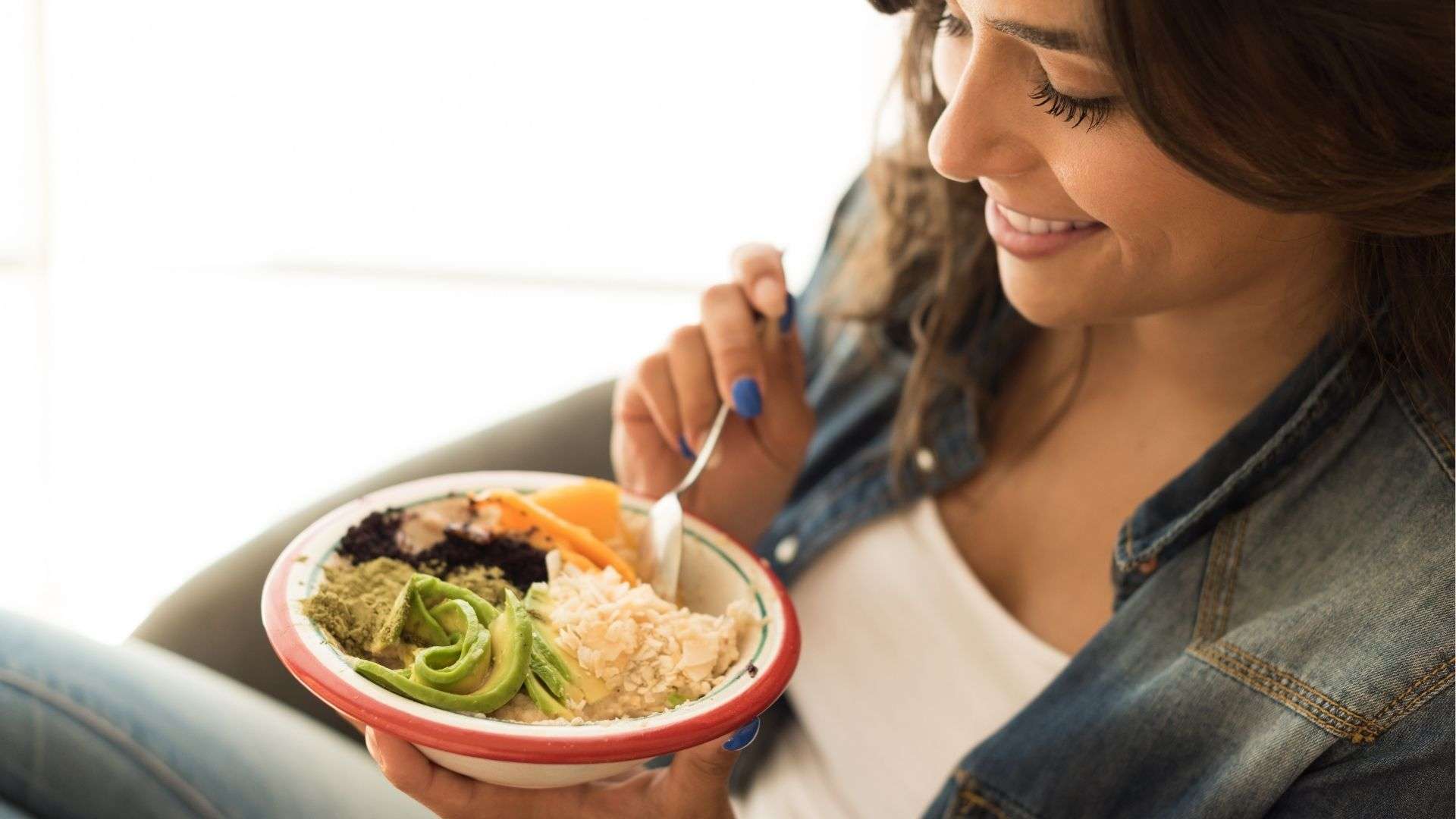
Disclosure: This post may contain affiliate links, which means I may earn a small commission at no extra cost to you. I only share products I genuinely love and recommend. This content is also for educational purposes only and is not intended to diagnose, treat, cure, or prevent any illness or disease. Please consult your healthcare provider with any medical concerns or medication questions.
Most people turn to the Candida diet hoping it’ll be the answer to their gut issues, sugar cravings, brain fog, or that lingering fatigue they just can’t shake. Cut the carbs, ditch the fruit, and starve the yeast. Problem solved, right?
Not quite.
The Candida diet sounds promising, but for many people, it ends up making things worse. I’m talking about intense brain fog, full-body aches, irritability, and a crash in energy that doesn’t let up.
Here’s what I eventually learned (and what most people are never told): the Candida diet alone doesn’t work because you can’t starve out candida. It outlives you.
So what does work? In this post, we’re walking through exactly why the Candida diet falls short, what causes Candida to take over in the first place, and how to finally start healing in a way that’s sustainable and effective.
? Before we dive in, quick heads-up:
If you love having supportive resources at your fingertips, I’ve put together a Free Wellness Library just for you. It’s packed with meal planners, checklists, gut-friendly tips, and simple wellness guides. Grab it below!

What is Candida?
Candida is a naturally occurring yeast that lives in the human gut. We’re born with it. And in small amounts, it actually plays a role in a healthy microbiome, helping with nutrient production and balance.
Just like we have bacteria (even E. coli and strep) in the body at all times, Candida is supposed to be there.
The issue isn’t that Candida exists; it’s when it starts to overgrow.
When that balance tips, often after antibiotics, medications, poor diet, or chronic stress, Candida can spread and take up space where beneficial bacteria used to be.
This can lead to symptoms like:
- Sugar cravings
- Bloating and digestive discomfort
- Brain fog
- Joint or muscle pain
- Hormone imbalances
- Low libido
- Chronic sinus or allergy issues
- Recurrent UTIs or vaginal infections
- Fatigue or poor immune function
- Bad breath or coated tongue
The goal is to bring it back into balance. Candida can coexist peacefully in the gut, but only when the terrain is right and other microbes are there to keep it in check.
Why the Candida Diet Doesn’t Work
While cutting out sugar and refined carbs can reduce symptoms short-term, the Candida diet by itself doesn’t address the real issue, which is overgrowth in an unbalanced gut environment.
Candida is a fungus, and it’s incredibly resilient. It can survive even when food sources are restricted, especially when protected by something called a biofilm, a sort of shield that helps it resist change.
Starving Candida may temporarily weaken it, but once carbs or starches are reintroduced, symptoms often return because the root cause hasn’t been addressed.
Even worse, overly restrictive versions of the diet can leave people feeling depleted. Without proper energy from carbohydrates, the body may experience symptoms like:
- Brain fog
- Low mood or depression
- Fatigue
- Irritability
- Muscle aches
- Flu-like symptoms
These are signs that the body is under stress.
Again, the goal is to rebalance the gut so Candida no longer has the opportunity to overgrow. That takes more than just diet, and it requires a targeted, step-by-step approach.
? Side note: Looking for simple tools to support your digestion? My Free Wellness Library is full of meal planners, gut guides, and daily trackers. You can get free access below!
Root Causes of Candida Overgrowth
Candida overgrowth usually happens when the gut environment shifts in its favor. That means something in the body changes, making it easier for candida to spread and harder for beneficial bacteria to keep it in check.
Most Common Triggers for Candida Overgrowth
- Overuse of Antibiotics: Antibiotics wipe out bacteria, but they don’t touch yeast. So when your good bacteria are gone, candida sees an opportunity and moves in. Even short-term antibiotic use can set the stage for overgrowth, but long-term use (especially in childhood or adolescence) makes things worse.
- Diet High in Sugar, Refined Carbs, and Alcohol: Candida feeds on sugar, even natural sugars like fruit and starches. A high-carb, high-sugar diet gives it the fuel it needs to multiply. Alcohol can also disrupt gut balance and promote fungal growth.
- Medications like Birth Control and NSAIDs: Certain medications, including birth control pills and painkillers like ibuprofen, can alter the gut lining, affect the immune system, and promote gut dysbiosis.
- Chronic Stress: Stress impacts digestion, suppresses the immune system, and affects the gut-brain axis. Over time, this makes the gut more vulnerable to Candida and other pathogens.
- Gut Inflammation + Leaky Gut: When the gut lining becomes permeable (also known as intestinal permeability or “leaky gut”), it allows waste products to enter the bloodstream. This can trigger immune responses, inflammation, allergies, and food sensitivities.
To truly fix Candida overgrowth, you need to look beyond symptoms and address these underlying causes, not just try to kill off the yeast.
Here’s What Actually Works
What actually works is a multi-step, whole-body approach that addresses the yeast, clears out the overgrowth, supports your gut, and helps restore balance.
Let’s break it down.
A Realistic Anti-Candida Diet
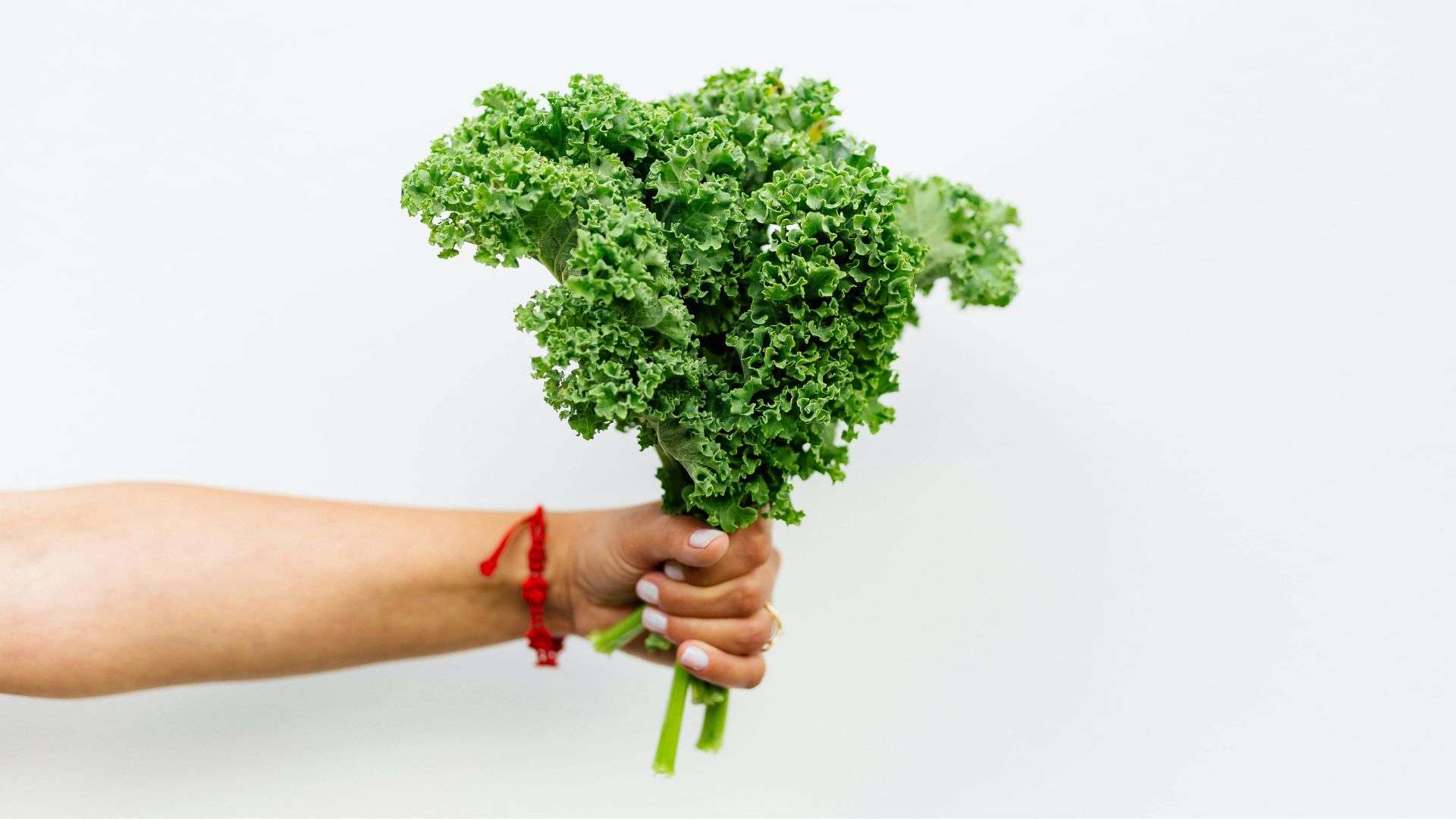
The right approach is about choosing foods that don’t fuel Candida, while still giving your body the energy it needs.
Here’s what that looks like:
- Focus on non-starchy vegetables, lean proteins, and healthy fats
- Include some low-fructose fruits and root veggies
- Avoid high-fructose fruits, sugar alcohols, added sugars, and processed carbs
- Keep protein moderate (too much can convert to glucose in the body)
Use Herbal Antifungals
Natural antifungal herbs have been used for thousands of years. Many are both antifungal and antibacterial, which makes them especially effective when paired together.
Some of the most effective ones include:
- Caprylic acid
- Pau d’arco
- Oregano oil
- Black walnut
- Berberine
These help break down Candida overgrowth without the harsh side effects of pharmaceuticals. But they need to be used strategically. Too much, too fast, can trigger symptoms.
Biofilm Disruptors
Candida hides under a protective “slime layer” called a biofilm, which shields it from antifungals and your immune system. Until you break that down, you can’t fully access the overgrowth.
That’s why proteolytic enzymes like those found in BioFilm disruptors are essential. They dissolve the barrier so the herbs can actually work.
Probiotics
Once the yeast load is reduced, it’s time to bring in the beneficial bacteria that re-establish balance in the gut.
This step is all about timing. You don’t want to feed Candida with prebiotics too early, or overload the system before it’s ready.
Start with:
- Saccharomyces boulardii
- Then move to strains like Lactobacillus acidophilus
- Follow with a diverse, multi-strain probiotic later in the protocol
Seal the Gut
After you’ve cleared the overgrowth, you need to seal up the gut wall. This step is often skipped, but it’s key to long-term healing.
When the gut barrier is repaired, your immune system calms down, inflammation lowers, and your body stops reacting to everything. This is what creates true resilience.
If you’re looking for a done-for-you plan that includes all five of these steps…
? Check out the EquiLife Candida & Bacterial Optimizer (CBO) Protocol
This is the exact same protocol I recommend to people who are ready to stop chasing symptoms and finally get to the root of their gut issues.
Quick Recap
Let’s quickly wrap up everything we covered:
✅ Candida is not the enemy. It’s part of your natural microbiome and meant to exist in balance.
✅ Starving Candida doesn’t fix the real root issue
✅ True healing takes a multi-step approach
✅ Consider the CBO Protocol if you suspect Candida
Final Thoughts
If the Candida diet has left you feeling frustrated, depleted, or just plain confused, you’re not alone. It’s easy to assume you’re doing something wrong when your symptoms don’t improve, but the truth is, the diet alone isn’t designed to heal the root of the issue.
Real healing is about restoring balance in your gut, clearing out the overgrowth, rebuilding the gut, and giving your body what it needs to thrive again.
If you’re ready for a proven, step-by-step approach, the EquiLife CBO Protocol is one I trust and recommend. It’s a comprehensive plan that brings all the right pieces together, so you’re not left guessing.
Now, I’d love to hear from you! Have you ever tried the Candida diet? What was your experience like, and what do you still feel unsure about? I’d love to hear your story in the comments.
Additional Resources
- The 4 Root Causes of Digestive Problems (And How to Heal Them Naturally)
- How to Fix Low Stomach Acid Naturally (And Protect Your Gut)
- How to Prepare for a Gut Healing Protocol the Right Way
- 13 Hidden Reasons You Still Have Acid Reflux
- 9 Natural Ways to Quickly Soothe and Heal Stomach Ulcers

? Like this and want to save it for later? Tap the Pinterest Pin button below—it’s an easy way to keep it on hand when you need it.