

Disclosure: This post may contain affiliate links, which means I may earn a small commission at no extra cost to you. I only share products I genuinely love and recommend. This content is also for educational purposes only and is not intended to diagnose, treat, cure, or prevent any illness or disease. Please consult your healthcare provider with any medical concerns or medication questions.
Every time I’ve gone in for my annual checkup, my bloodwork has shown one thing without fail: high eosinophils. At first, I didn’t think much of it. My doctor never mentioned it as something to be worried about, so I just assumed it was fine and moved on with my life.
Looking back, it makes a lot more sense why those eosinophil numbers kept coming back elevated. What I didn’t realize at the time was that those lab results weren’t random.
So what exactly does it mean when eosinophils are high? Let’s walk through the main reasons, what kind of testing can help, and why it’s not always as scary as Google makes it seem.
? Before we dive in, make sure to grab access to my Free Wellness Library. It’s packed with e-books, gut health checklists, food trackers, and practical resources to help you feel better faster. You can get your free access below!

What Are Eosinophils?
Eosinophils are a type of white blood cell. Think of them as part of your body’s defense team.
When they show up in higher numbers on a blood test, it usually means your immune system is reacting to something. That “something” could be a few different things.
3 Most Common Reasons of High Eosinophils
Let’s look at the three most common causes of high eosinophils and how they might show up in everyday life.
1. Environmental Allergies
One of the top reasons eosinophils climb is allergies, and not just pollen or pet dander.
It could be something in your everyday environment:
- A new laundry detergent
- Toothpaste
- Even household products with hidden irritants
So if your eosinophils are high, don’t just look outside. Sometimes the trigger is sitting right on your bathroom sink.
2. Food Sensitivities
Another major cause of elevated eosinophils is food reactions. And not all tests catch them.
Most people are familiar with IgG food sensitivity tests, which measure delayed reactions.
But eosinophils can also rise because of IgA or IgE immune responses, and those are immediate reactions that IgG doesn’t capture.
Some common foods that can trigger issues for certain people:
- Nightshades like white potatoes and green peppers
- High sulfur foods like garlic, eggs, and cabbage
- Foods that can be high in histamines, which can aggravate sensitive digestive systems
If you’ve ever felt “off” after eating a food but your test came back negative, this might explain it.
3. Parasites
The third big reason eosinophils spike is parasites.
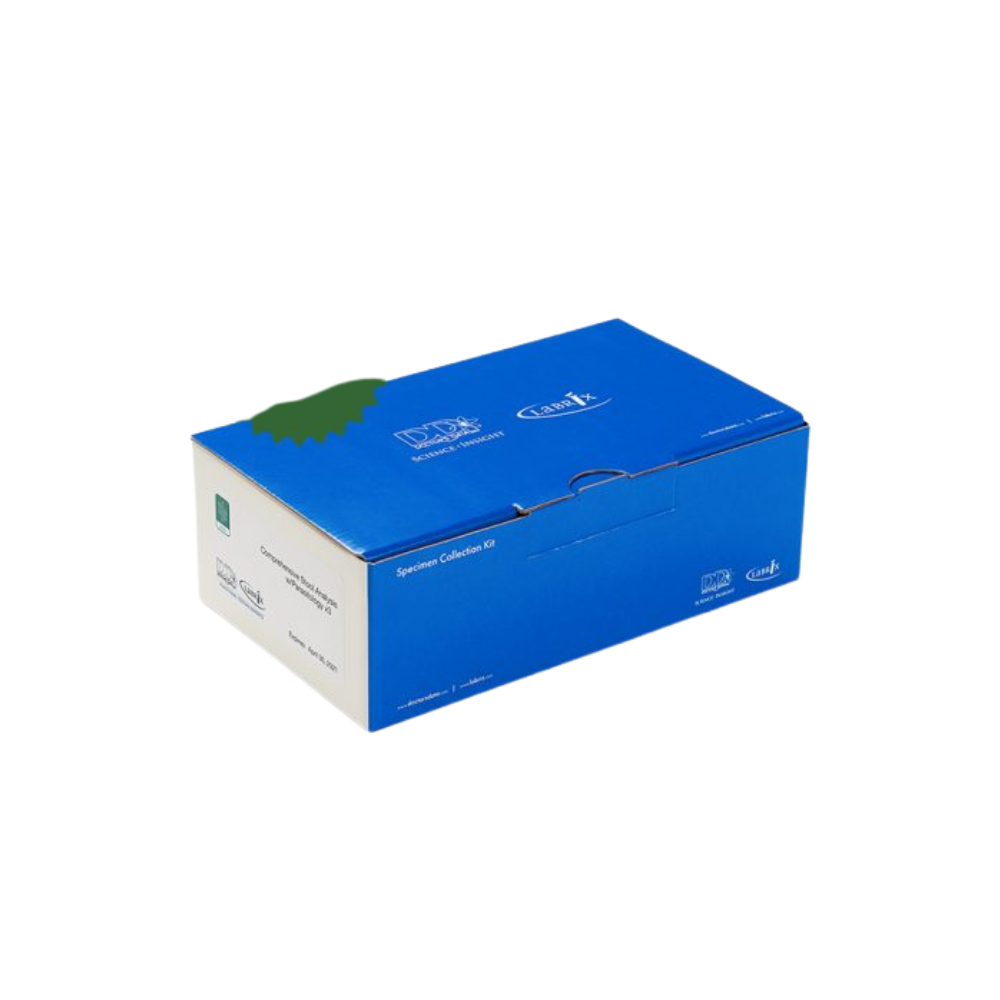
And here’s where testing matters: a stool test is much more reliable than a blood test for detecting parasites or H. pylori (a stomach bacteria).
If parasites are found, treatment might include antibiotics for stubborn cases or supplements to help clear the infection.
Related:
How to Recover After a Positive Test [Parasite Protocol Case Study]
Why Functional Medicine Testing Helps
When you don’t know the “why” behind a lab marker, it can feel like shooting in the dark. That’s why deeper functional testing can be so helpful!
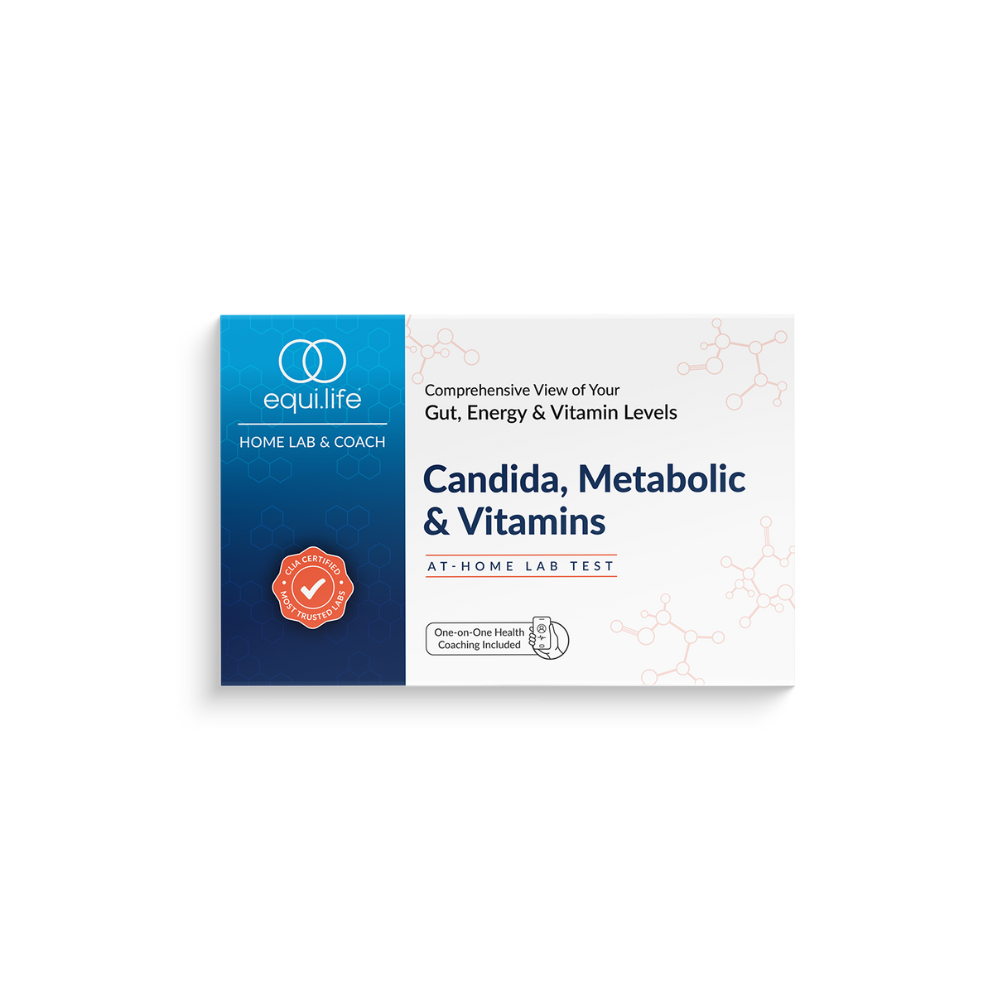
I recommended you look into the Organic Acids Test (OAT) because it can reveal:
- Candida or yeast overgrowth (which feeds on certain foods)
- Bacterial imbalances in the gut
- Mitochondrial function (how well your cells produce energy)
- Detox pathways and B-vitamin status
A stool test can also be helpful alongside the OAT, especially if parasites are suspected.
What High Eosinophils Don’t Mean
Let’s address the elephant in the room. There’s a fear that high eosinophils automatically mean something severe, like cancer.
Yes, eosinophils can be linked to more serious conditions, but that’s not the most common reason.
So if your eosinophils are high, don’t panic. Instead, see it as your body waving a little flag that says, “Hey, something’s bugging me. Can you check it out?”
Quick Recap
✅ Eosinophils are white blood cells that rise when your immune system is triggered.
✅ Common causes: environmental allergies, food sensitivities, and parasites.
✅ Foods like nightshades, sulfur-rich, and high-histamine foods may play a role.
✅ IgG food tests may not catch everything (IgA and IgE matter too)
✅ Functional tests like the Organic Acids Test and stool testing give deeper answers.
✅ High eosinophils rarely point to something as serious as cancer.
Final Thoughts
Seeing high eosinophils on your bloodwork can definitely spark worry, but more often than not, it’s connected to something that can be addressed, like allergies, food sensitivities, or even a gut imbalance.
For me, learning to pay attention to these little signals has been empowering. I don’t ignore my eosinophil numbers anymore, but I also don’t let them scare me. They’re just part of the bigger picture my body uses to communicate.
Now I’d love to hear from you! Have you ever had labs come back with confusing or concerning results? What helped you finally get clarity? Let me know in the comments below.
Additional Resources
- How to Recognize the Hidden Signs of H. Pylori
- How to Naturally Eliminate Small Intestinal Bacterial Overgrowth (SIBO) in 12 Weeks
- 11 Warning Signs of Parasites & Mold You Shouldn’t Ignore
- The 4 Root Causes of Digestive Problems (And How to Heal Them Naturally)
- The Truth About the Candida Diet (and Why It Often Fails)

? Like this and want to save it for later? Tap the Pinterest Pin button below—it’s an easy way to keep it on hand when you need it.