
Disclosure: This post may contain affiliate links, which means I may earn a small commission at no extra cost to you. I only share products I genuinely love and recommend. This content is also for educational purposes only and is not intended to diagnose, treat, cure, or prevent any illness or disease. Please consult your healthcare provider with any medical concerns or medication questions.
When you hear there’s a medication that helps people lose weight by making them not feel hungry, it’s hard not to be curious.
Ozempic, Wegovy, and newer drugs like Mounjaro and Zepbound have taken the weight loss world by storm. And while some people do see big results, they also come with a laundry list of side effects, including digestive issues and even nutrient malabsorption.
As an Integrative Health Practitioner, I don’t recommend jumping into weight loss drugs as a first step. Not because I’m anti-medication, but because I believe in exhausting all natural methods first.
Nature often has a gentler, safer answer—and in the case of Ozempic, it turns out, it really does!
So today, I’m sharing five powerful foods that naturally mimic the effects of Ozempic by supporting your body’s GLP-1 production without the side effects.
👉 And if you’re someone who likes to have helpful resources at your fingertips, I’ve tucked a few of my favorite guides and trackers into my Free Wellness Library. It’s packed with e-books, gut health checklists, food trackers, and practical resources. You can get your free access below!

Why People Are Talking About Ozempic
Ozempic is part of a group of drugs called GLP-1 agonists. They work by mimicking a hormone in your body called GLP-1 (short for glucagon-like peptide-1).
This hormone does three big things:
- Helps your body handle sugar better (so your blood sugar doesn’t spike too high after you eat)
- Makes you feel full longer (so you don’t feel like snacking all day)
- Slows down digestion (again, helping you feel fuller and keeping energy steady)
But here’s the good news!
You don’t need a prescription to stimulate GLP-1. Your body naturally responds to certain foods in a very similar way.
That means you can start mimicking the effects of Ozempic, naturally, right now using ingredients from your own kitchen.
Related:
9 Proven Natural Alternatives to GLP-1 Drugs for Weight Loss
5 Natural Foods That Mimic Ozempic
These foods are gentle on your system, nutrient-dense, and come with zero side effects.
1. Extra Virgin Olive Oil
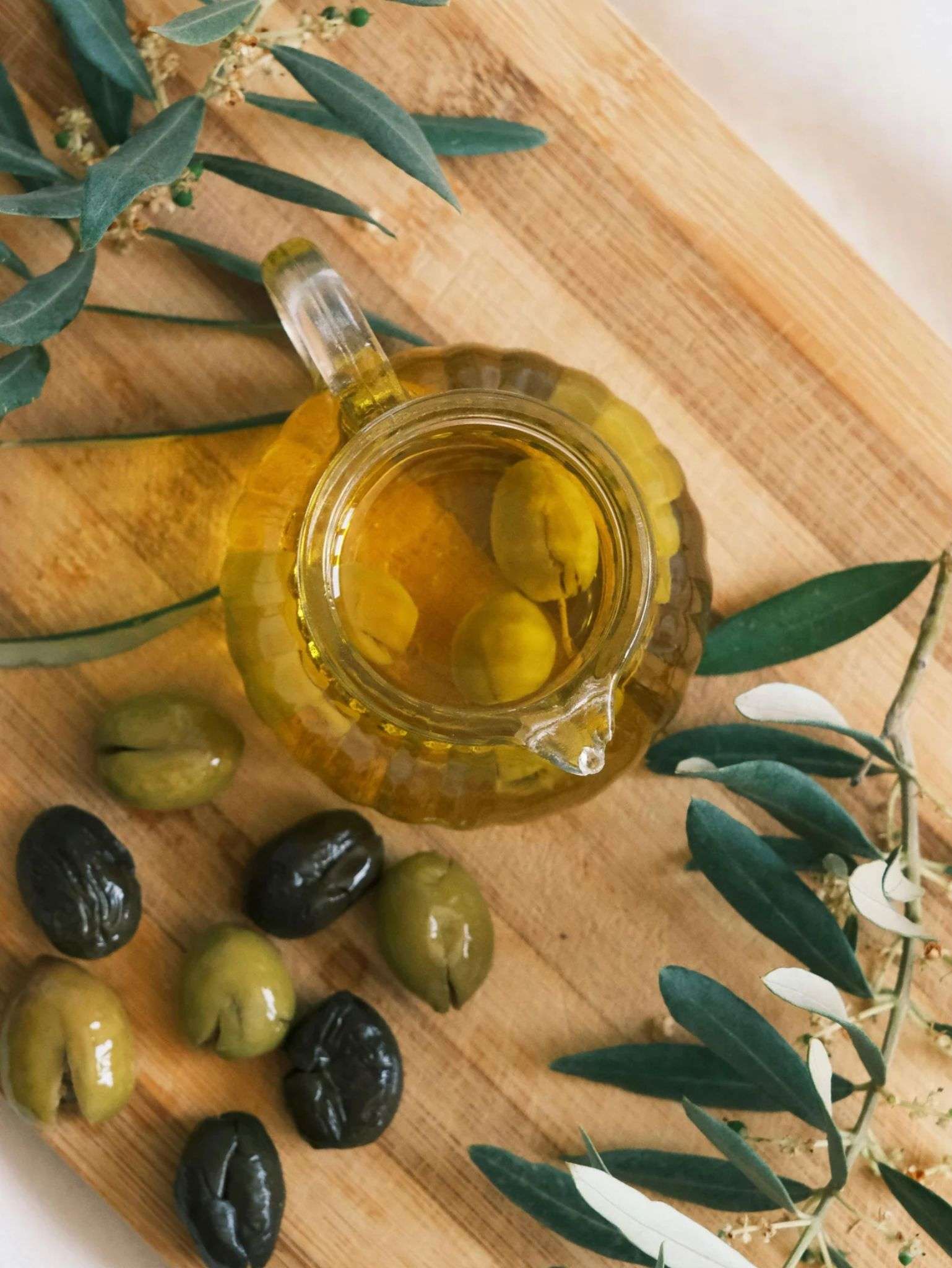
If there’s just one thing to start with, it’s extra virgin olive oil.
Extra virgin olive oil contains oleic acid, a powerful monounsaturated fat that naturally helps stimulate GLP-1 receptors in your body. 1
Start with 1–2 tablespoons per day, maybe drizzled over a salad or veggies. One at lunch and one at dinner works great.
? Note: Olive oil is a healthy choice, but it still contains calories (~130 per tablespoon), so be mindful of your intake if you’re watching your calories.
2. Avocados
Avocados are nature’s perfect combo of healthy fats, fiber, and water—a trio that makes you feel fuller, longer. They support both satiation and stable blood sugar.
That combo helps you stay full longer and avoid those mid-afternoon snack cravings.2
Mash up half an avocado on toast, or slice it into a salad for lunch. It’s a great way to stay full without feeling heavy.
You can also explore walnuts, macadamia nuts, and chia seeds, which are rich in fiber and omega-3s.
3. Eggs and Legumes
Protein is key for GLP-1 stimulation, and eggs are one of the most effective sources.3 They’re rich in nutrients like:
- B vitamins
- Zinc
- Choline
All of which support energy, metabolism, and fullness. But if you’re more plant-based, beans and legumes (like lentils and chickpeas) are great too. They offer:
- Prebiotic fiber (to feed good gut bacteria)
- Protein (to keep blood sugar steady)
- Natural appetite control
Try a hard-boiled egg for breakfast, or a half cup of lentils in your lunch salad. Start with a small amount of beans if you’re not used to them, and gradually increase the amount to avoid bloating.
👉 Want more free tools to support your health journey? Check out the Free Wellness Library, it’s full of gut-friendly resources like e-books, checklists, trackers, and more!
4. Oats & Rye
Whole grains like oats and rye are packed with fermentable fibers called beta-glucans, which help:
- Regulate appetite
- Slow digestion
- Improve feelings of fullness (even after the meal)
This leads to what researchers call the “second meal effect”—you stay more satisfied not just after one meal, but for the rest of the day.4
Start your day with a small bowl of oats, topped with a few berries.
5. Berries
Need something sweet that won’t spike your blood sugar? Berries are your go-to.
They’re:
- Low in calories
- High in fiber and water
- Naturally help reduce cravings and increase fullness
A handful of blueberries or strawberries with breakfast, or added to a smoothie or oatmeal.
Berries also give you that “treat” feeling without the crash.
Bonus: Apple Cider Vinegar
This one might surprise you.
Raw apple cider vinegar has been shown to:
- Help with digestion (especially with protein meals)
- Stabilize blood sugar after eating
- Support satiety and reduce post-meal spikes
Start with 1 tablespoon in 6–8 oz of filtered, room-temperature water before your meal, especially helpful before a protein-rich dish.
Get to the Root of What’s Holding You Back
While these natural foods are incredibly effective, they’re just one part of the puzzle. If you’re still dealing with cravings, stubborn weight, or energy crashes, it could be a sign that something deeper is at play.
I often see underlying imbalances in thyroid function, metabolism, cortisol levels, vitamin D, or insulin resistance—all of which can impact how your body processes food, stores fat, and regulates appetite.
That’s why I recommend starting with simple, at-home lab tests that check your hormones, stress, and blood sugar response. When you uncover what’s out of balance, you can finally build a personalized wellness plan that works with your body.
Quick Recap
✅ Olive oil: Rich in oleic acid, helps activate GLP-1 receptors and supports fullness
✅ Avocados: Packed with healthy fats, fiber, and water to keep you satisfied
✅ Eggs or Legumes: Excellent protein sources that promote satiety and steady energy
✅ Oats & Rye: Contain beta-glucans, which improve gut health and extend fullness
✅ Berries: Low in sugar, high in fiber, and great for curbing sweet cravings
✅ (Bonus) Apple Cider Vinegar: Supports digestion, blood sugar balance, and fullness before meals
✅ Run Simple At-Home Lab Tests: Identify hidden imbalances and get to the root of what’s holding you back
Final Thoughts
Before jumping into medications, consider trying these five (plus one!) natural GLP-1 stimulators. They work with your body, and they’ve helped many people manage their weight, improve digestion, and feel more balanced, without the need for prescriptions.
But even the best foods can only go so far if there’s something deeper going on. Simple at-home lab tests can reveal what’s really happening with your thyroid, cortisol, insulin, vitamin D, and more.
Now, I’d love to hear from you! Have you tried any of these natural Ozempic alternatives before? Which one are you most curious to add to your routine? Let me know in the comments!
Still dealing with bloating, fatigue, or stubborn weight, no matter what you try?
If you’ve been chasing symptoms and nothing seems to stick, it’s time to look deeper. I’d love to help you uncover the root cause of your digestive issues so you can finally get the answers you’ve been looking for.
👉 To get started, learn how private coaching and functional lab testing can help support your gut-healing journey.
Additional Resources
- 9 Proven Natural Alternatives to GLP-1 Drugs for Weight Loss
- How to Reduce Hunger Using “The Second Meal Effect”
- The Best Diet Plan for Weight Loss and Diabetes
- The Best 16:8 Intermittent Fasting Schedule (Hint: It’s Not 12–8)
- How to Lower Blood Sugar Naturally (Without Eating Less)
Footnote:
- Fatty Acid Composition Modulates GLP-1 and PYY Responses in Humans ↩︎
- Clinical Study: Avocados Boost GLP-1 & Satiety ↩︎
- Study: Egg White Peptides Stimulate GLP-1 ↩︎
- Study: Second-Meal Effect from Low-GI Foods ↩︎

👉 Like this and want to save it for later? Tap the Pinterest Pin button below—it’s an easy way to keep it on hand when you need it.