

Disclosure: This post may contain affiliate links, which means I may earn a small commission at no extra cost to you. I only share products I genuinely love and recommend. This content is also for educational purposes only and is not intended to diagnose, treat, cure, or prevent any illness or disease. Please consult your healthcare provider with any medical concerns or medication questions.
Ever eaten a big breakfast and still found yourself hungry again by mid-morning? You think you’re fueling up, but your stomach (and brain) clearly didn’t get the memo.
That used to throw me off all the time. I’d eat what seemed like a decent meal, only to be elbow-deep in snacks an hour later. That all shifted when I stumbled onto something called the second meal effect.
It turns out that it’s actually a natural response your body has when meals are built a certain way (especially breakfast). This results in you feeling fuller longer… and your next meal doesn’t hit like a sugar crash waiting to happen.
So let’s talk about how to reduce hunger naturally in a way that supports your body (and brain), keeps you satisfied between meals, and taps into your body’s natural fullness signals.
? And if you’re someone who likes to have helpful resources at your fingertips, I’ve tucked a few of my favorite guides and trackers into my Free Wellness Library. It’s packed with e-books, gut health checklists, food trackers, and practical resources. You can get your free access below!

What Is the Second Meal Effect?
The second meal effect refers to the way one meal, particularly one rich in fiber, can reduce your appetite at your next meal.
This works because certain foods trigger natural hormones in the gut that signal to your brain that you’re full, not just during the current meal, but for hours afterward.
Here’s how it happens:
- Fiber helps stimulate hormones such as GLP-1 (Glucagon-Like Peptide-1) and PYY (Peptide YY), both of which reduce appetite and increase feelings of satiety.
- These hormones travel through your bloodstream to your brain, where they signal a feeling of fullness.
- When you consistently eat meals high in fiber, especially starting with breakfast, your body stays more satiated throughout the day.
Why Fiber Is the Key to Feeling Full

If you’re constantly hungry shortly after meals, chances are you’re missing two big things: fiber and protein.
But let’s focus on fiber, because that’s where the second meal effect comes in strong.
Generally, around 8–10 grams of fiber per meal is considered the optimal amount. If you eat three meals a day, that’s about 30+ grams of fiber daily, which also happens to be the recommended amount.
But not all fiber is created equal.
You want natural, whole-food sources of fiber, particularly those rich in something called beta-glucans, which are fermentable fibers known to trigger appetite-suppressing hormones.1
Some key points:
- Fiber slows digestion, so you feel full longer.
- As it moves through your gut, it produces short-chain fatty acids, which play a role in satiety.
- This is what creates that delayed hunger response known as the second meal effect.
If fiber causes bloating or discomfort, it could be a sign of gut dysbiosis (an imbalance of gut bacteria). If that sounds like you, it might be time to dig a little deeper. In this case, I recommend doing the Big 3 Gut Test to uncover hidden gut imbalances.
The Problem with GLP-1 Drugs
GLP-1 medications (like Ozempic or Mounjaro) work by keeping satiety hormones like GLP-1 actively circulating longer in your bloodstream.
The great thing is that your body already has the tools to do this naturally.
By choosing the right foods, especially those rich in fermentable fiber, you can activate the same appetite-suppressing hormones… without the potential downsides, such as nausea and sometimes long-term digestive damage.2
Related:
9 Proven Natural Alternatives to GLP-1 Drugs for Weight Loss
How to Reduce Hunger Naturally With Food
To activate the second meal effect, you want to focus on whole foods that are rich in fiber, especially beta-glucans.
These are fermentable fibers that help you feel full now and at your next meal.
1. Whole Grains
- Barley – high in beta-glucans and gut-friendly
- Oats – choose organic, (gluten-free if you’re sensitive)
- Rye – less gluten than wheat, but still rich in fiber
2. Vegetables & Legumes
- Beans – black, navy, chickpeas, mung, kidney, etc.
- Lentils and peas
- Green beans and leafy greens
? Tip: If beans cause digestive issues, try pressure-cooking or sprouting them.
3. Fruits
- Apples and pears – packed with fermentable fiber
4. Resistant Starches
- Purple potatoes – rich in fiber and antioxidants
- Not-quite-ripe bananas – support satiety and gut health
Related:
5 Powerful Foods That Act Like Ozempic—Naturally
? Want more free tools to support your health journey? Check out the Free Wellness Library, it’s full of gut-friendly resources like e-books, checklists, trackers, and more!
How to Start Using the Second Meal Effect Today
To get started, start small and be consistent. Here’s how:
- Add fiber to your breakfast.
Think oats with berries and chia seeds, or a smoothie with spinach and flax. - Aim for 8–10 grams of fiber per meal.
If that’s too much at first, start with 5g and work your way up. - Combine fiber with protein and healthy fats.
This trio helps keep hunger away for hours. - Track how long you feel full.
If you’re hungry within 90 minutes, chances are your meal was missing something—likely fiber or protein.
Quick Recap
✅ The second meal effect helps you feel full longer by using fiber to activate fullness hormones
✅ Aim for 8–10g of fiber per meal, from whole foods like oats, beans, and veggies
✅ Avoid processed “fiber-added” foods and opt for natural sources instead
Final Thoughts
Sometimes the solution isn’t eating less, but eating smarter. The second meal effect is one of those gentle nudges from your body, reminding you that it knows what it’s doing – it just needs the right support.
So, whether you’re adding a few extra spoonfuls of oats to your morning routine or experimenting with fiber-rich dinners, trust that these small changes can have a ripple effect and lead to significant shifts over time.
Now, I’d love to hear from you! What’s one meal you could tweak this week to include more fiber? Let’s chat in the comments.
Additional Resources
- 5 Powerful Foods That Act Like Ozempic—Naturally
- The Best Diet Plan for Weight Loss and Diabetes
- The Best 16:8 Intermittent Fasting Schedule (Hint: It’s Not 12–8)
- How to Lower Blood Sugar Naturally (Without Eating Less)
Footnote:
- Less snacking, more satisfaction: Some foods boost levels of an Ozempic-like hormone ↩︎
- GLP-1 diabetes and weight-loss drug side effects: “Ozempic face” and more ↩︎
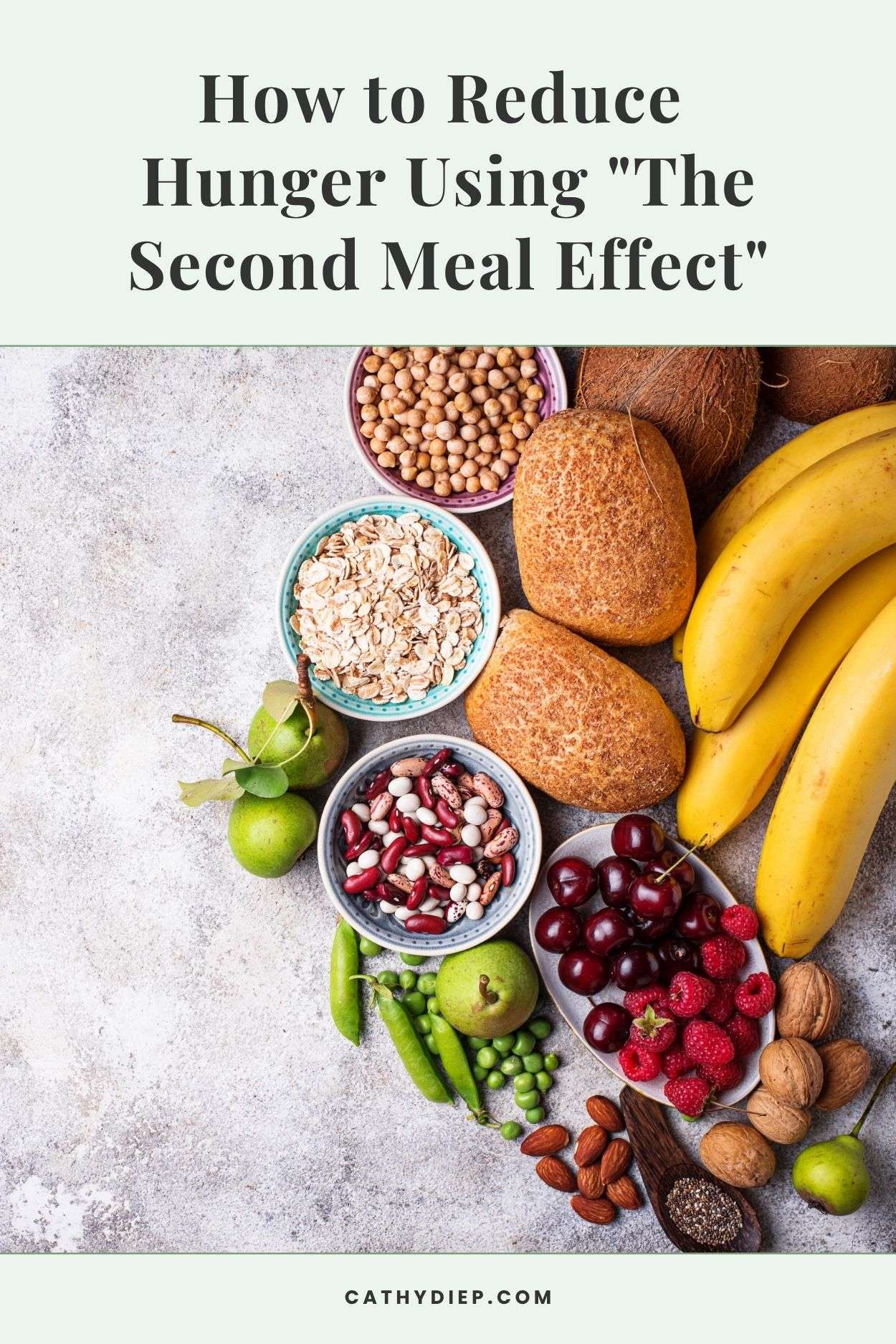
? Like this and want to save it for later? Tap the Pinterest Pin button below—it’s an easy way to keep it on hand when you need it.