
Disclosure: This post may contain affiliate links, which means I may earn a small commission at no extra cost to you. I only share products I genuinely love and recommend. This content is also for educational purposes only and is not intended to diagnose, treat, cure, or prevent any illness or disease. Please consult your healthcare provider with any medical concerns or medication questions.
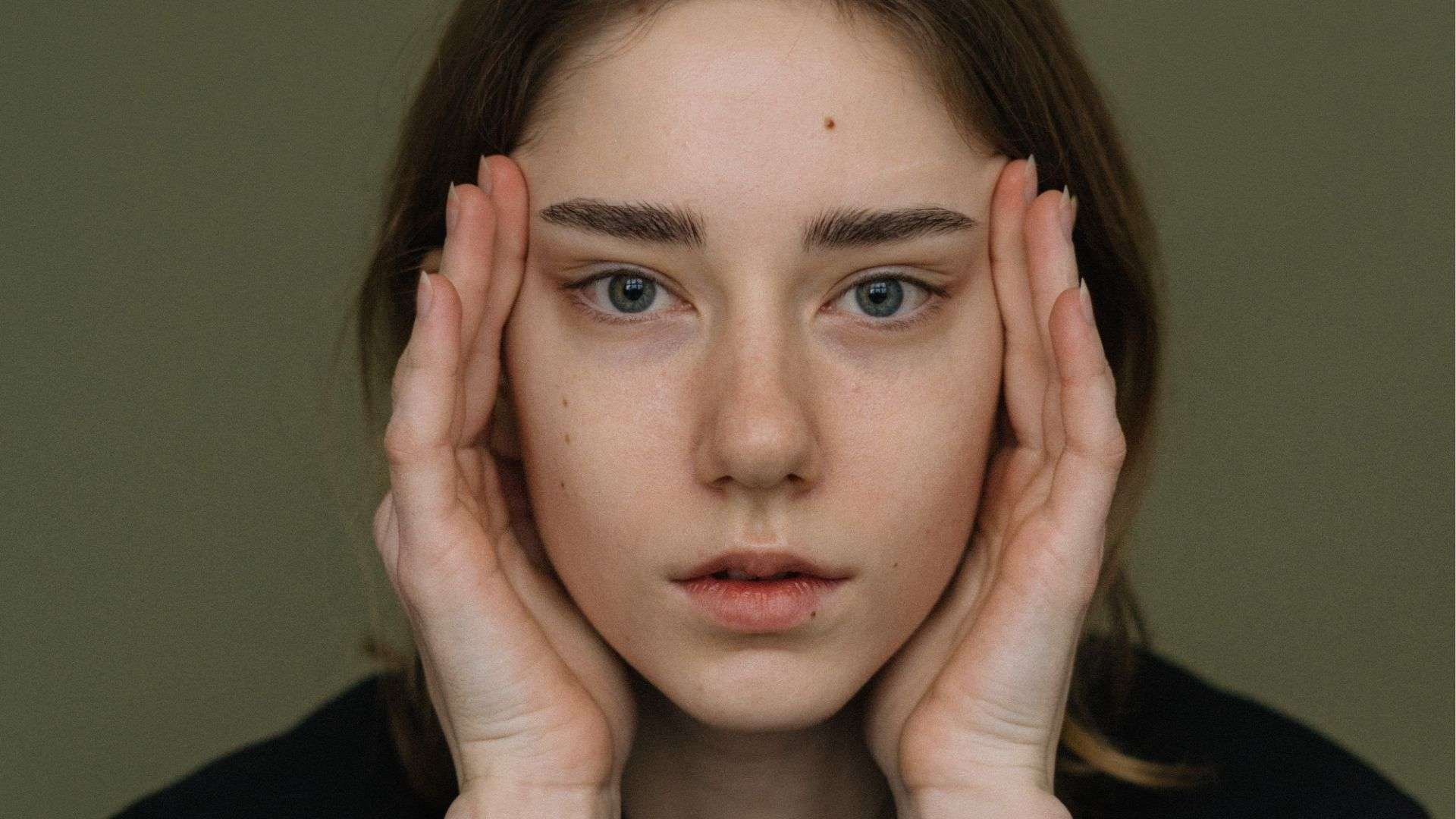
Have you ever looked in the mirror and thought, “Why does my face look like this today?” Maybe your face looks puffier than usual, you feel more tired even after sleeping, or your jaw feels tight in a way you can’t quite explain.
If you’ve tried switching skincare, drinking more water, or cleaning things up and nothing seems to stick, you’re not alone. This is something I hear all the time.
What many people don’t realize is that facial changes aren’t always a skincare issue. They can be a stress response. If you’re not sure whether stress hormones could be part of what you’re experiencing, this breakdown of signs of high cortisol can help you connect the dots.
When stress stays high for a long time, your body starts to adapt. Hormones shift, inflammation can increase, and sleep and blood sugar can get thrown off. For many people, the face is one of the first places those internal changes show up.
In this post, we’ll talk about how chronic stress and cortisol dysregulation can affect your face, what’s happening behind the scenes, and what you can do about it.
? Before we get started:
Grab my Daily Cortisol Reset Worksheet, a quick, printable tool to help you spot your biggest stress triggers and create easy daily resets to calm your nervous system. You can grab your free access below!

Can Stress Really Affect Your Face?
The short answer is: yes, it can. Your face is often one of the first places your body shows signs of stress.
It’s easy to assume facial changes are about skincare, aging, or something you’re doing wrong. But very often, what’s happening goes deeper than the surface. Stress affects hormones, inflammation, sleep, and blood sugar, all of which can influence how your face looks and feels.
If you’re looking for a full-body, root-cause approach to calming stress hormones, I walk through that step by step here.
What Cortisol Is and How Stress Affects Your Face
Cortisol is a hormone your body makes to help you deal with stress. It helps regulate blood sugar, inflammation, energy, and your sleep-wake cycle.
In short bursts, cortisol is helpful. The issue is long-term stress.
When stress sticks around, cortisol patterns can become disrupted. Instead of rising and falling at the right times, levels may stay elevated or feel out of sync.
This is also why timing matters when testing. If you’re considering labs, this guide explains the best time to test cortisol so results reflect what’s going on.
Research1 shows that chronic stress and cortisol dysregulation are linked to:
- Increased inflammation
- Changes in immune response
- Slower tissue repair
- Disrupted metabolic signaling
Your face has a lot of small blood vessels, lymphatic tissue, and connective tissue. That makes it especially sensitive to these internal shifts.
Signs Stress and High Cortisol May Be Affecting Your Face
During periods of ongoing stress, common facial changes can include:
- Puffiness or swelling, especially in the morning
- Fullness around the cheeks or jawline
- Acne that flares during stressful periods
- Dark under-eye circles that don’t improve with sleep
- Dull or uneven-looking skin
- Jaw clenching or facial tightness
Research shows that psychological stress can weaken the skin barrier, increase inflammation, and worsen inflammatory skin conditions like acne.2
Stress may not be the only factor, but it can be an important piece of the puzzle.
Is “Cortisol Face” a Real Medical Condition?
You may have seen the term “cortisol face” online, so let’s clear this up.
“Cortisol face” is not a medical diagnosis.
Very noticeable facial rounding, sometimes called “moon face,” is most clearly linked to medical conditions like Cushing syndrome or long-term use of steroid medications.
For most people dealing with everyday stress, facial changes tend to be much more subtle and temporary. They’re usually related to things like:
- Inflammation
- Sleep disruption
- Fluid shifts
- Muscle tension
- Ongoing lifestyle stress
This distinction matters. It helps keep the conversation accurate and prevents unnecessary fear, especially when what you’re noticing is more likely your body responding to stress rather than a serious medical condition.
Why Skincare Alone Doesn’t Fix Stress-Related Facial Changes
Skincare can absolutely support your skin. But stress hormones affect the body as a whole. When your nervous system is stuck in a stress response, your skin is trying to repair itself in a difficult environment.
That’s why many people notice their skin looks better during calmer periods of life, even when their skincare routine stays the same.
How to Reduce Stress and Support Cortisol Naturally
You don’t need to overhaul your entire life to support cortisol. In most cases, doing less, more consistently, works better.
1. Calm Your Nervous System First
Your body heals best when it feels safe.
Helpful basics include:
- Going to bed and waking up around the same time
- Getting natural light in the morning
- Choosing gentle movement over intense workouts
- Slowing your breathing, even briefly
Research shows that consistent sleep patterns and stress-reduction practices help regulate cortisol rhythms.3
If you want simple, realistic ways to do this, here are a few activities that naturally lower cortisol you can build into your day. And if falling asleep is the hardest part, these tips to fall asleep quickly can help.
2. Balance Blood Sugar to Support Cortisol
Cortisol raises blood sugar as part of the stress response. When stress is ongoing, blood sugar regulation can become less stable, which can keep the stress cycle going.
Simple support looks like:
- Eating regular meals
- Including protein with meals
- Avoiding long stretches without food
- Not relying on caffeine to get through the day
Related:
The Best 16:8 Intermittent Fasting Schedule (Hint: It’s Not 12–8)
3. Reduce Inflammation to Support Facial Changes
Stress and inflammation feed into each other. Support your body by:
- Eating anti-inflammatory foods
- Avoiding over-exercising
- Taking rest days seriously
- Supporting digestion and gut health
As inflammation calms, many people notice gradual improvements in facial puffiness, tone, and tension.
When Facial Swelling Could Be a Medical Issue
Stress can influence facial changes, but it’s not the only possible cause.
Talk to a healthcare provider if you notice:
- Sudden or severe facial swelling
- Swelling of the lips or tongue
- One-sided facial swelling or pain
- New swelling after starting a medication
- Rapid weight gain with easy bruising or muscle weakness
These signs need proper medical evaluation.
What Stress-Related Facial Changes Are Trying to Tell You
Puffiness, tension, or changes in your skin are often signals that your body needs more rest, consistency, and support.
When stress comes down and your internal rhythms start to settle, many people notice gradual changes like:
- Less morning puffiness
- More even-looking skin
- Reduced jaw tension
- A more rested appearance
Quick Recap
✅ Chronic stress can affect inflammation and skin function
✅ Facial changes during stress are common and often temporary
✅ Dramatic facial rounding is linked to medical conditions, not everyday stress
✅ Skincare alone usually isn’t enough
✅ Nervous system support and steady habits matter most
Final Thoughts
If stress has been showing up on your face, it means your body has been carrying more than it should for a while.
Facial puffiness, tension, breakouts, or that tired look that won’t go away are not failures of skincare or discipline. They’re signals that your nervous system may need more consistency, more rest, and more support.
The good news is that these changes are often reversible. When stress comes down and cortisol rhythms start to normalize, the face is one of the places people notice improvements first.
Now I’d love to hear from you! Have you noticed your face change during stressful seasons of your life? Let me know in the comments below.
? Still dealing with bloating, fatigue, or inflammation, no matter what you try?
If you’ve been chasing symptoms and nothing seems to stick, it’s time to look deeper. I’d love to help you uncover the root cause of your digestive + hormone issues so you can finally get the answers you’ve been looking for.
? To get started, learn how private coaching and functional lab testing can help you.
Additional Resources
- How to Naturally Lower Cortisol in the Body (& Feel Calm Again)
- 10 Hidden Signs of High Cortisol (And How to Fix It)
- 7 Simple Activities That Naturally Lower Cortisol and Improve Mood
- 8 Best Foods That Lower Cortisol and Calm Stress
- When is the Best Time to Test Cortisol: Morning or Night?
Footnote:
- Stress-induced immune dysfunction: implications for health ↩︎
- Psychological Stress Deteriorates Skin Barrier Function by Activating 11β-Hydroxysteroid Dehydrogenase 1 and the HPA Axis ↩︎
- Sleep and Circadian Regulation of Cortisol: A Short Review ↩︎
? Like this and want to save it for later? Tap the Pinterest Pin button below—it’s an easy way to keep it on hand when you need it.