

Disclosure: This post may contain affiliate links, which means I may earn a small commission at no extra cost to you. I only share products I genuinely love and recommend. This content is also for educational purposes only and is not intended to diagnose, treat, cure, or prevent any illness or disease. Please consult your healthcare provider with any medical concerns or medication questions.
Have you ever wondered if the reason you’re tired in the morning or wide awake at night might have something to do with your hormones? If you didn’t know, cortisol is your body’s natural “get up and go” hormone that typically peaks in the morning and tapers off at night.
If you want the quick answer to when’s the best time to test it, it depends on what you’re looking for. Morning tests are great for checking overall hormone levels, but if you’re dealing with sleep issues, nighttime restlessness, or morning grogginess, a bedtime cortisol test is far more revealing.
If you only test cortisol in the morning (like most blood tests do), you could miss the real problem, which may be high cortisol at night. And that could be why you’re tossing and turning, waking up groggy, or feeling like your recovery is stuck in slow motion.
So in this blog post, I’ll go over exactly when and how to test cortisol so you can finally understand if your sleep and energy struggles are linked to your stress hormone rhythm.
👉 Before we get started:
Grab my Daily Cortisol Reset Worksheet, a quick, printable tool to help you spot your biggest stress triggers and create easy daily resets to calm your nervous system. You can grab your free access below!

Why Cortisol Timing Matters for Your Health
Your body runs on a natural 24-hour cortisol rhythm:
- Morning (6–9 AM): Cortisol should be at its peak. This surge shuts down melatonin (your sleep hormone), wakes you up, and fuels your morning energy.
- Midday: Cortisol levels dip. You’re still energized, just not buzzing.
- Evening: Cortisol continues dropping so your body can wind down.
- Night: Levels should be at their lowest so melatonin can take over, helping you get into deep, restorative sleep.
When your body’s natural cortisol rhythm is off, you might:
- Wake up groggy or foggy
- Feel caffeine-dependent
- Struggle to fall asleep or stay asleep
- Experience restless thoughts at night
- Recover poorly after workouts
- Notice signs of faster aging (inflammation, slower healing)
The Standard Morning Cortisol Test (and Its Limits)
Most doctors test cortisol as part of a morning blood panel, usually between 8–10 AM. That’s helpful for an overview of hormones like thyroid and cholesterol, but…
Here’s the problem:
- Many people have “normal” morning cortisol yet still struggle with sleep and recovery.
- Lab ranges are often too wide to spot suboptimal levels.
- Morning-only testing misses what happens later in the day… especially before bed.
If you’ve been told your cortisol is “fine” but you still feel off, the real issue might be lurking at night.
Why Nighttime Cortisol Testing Can Reveal Hidden Sleep Problems
High nighttime cortisol is one of the most common and most overlooked causes of poor sleep.
When cortisol is elevated before bed, it can:
- Block melatonin production
- Keep your brain alert instead of relaxed
- Limit deep sleep, which is when your body repairs and regenerates
- Increase overnight blood sugar (cortisol signals your body to release stored glucose)
This means you can “pass” a morning cortisol test but still have a stress hormone imbalance that’s disrupting your rest.
How to Test Cortisol at Home
The simplest way to check nighttime cortisol is with a saliva test, and the best part is that you can do all of this at home.
Here’s how it works:
- Open your test kit.
- Spit into the small tube until it’s halfway full.
- Register your kit online with the included card.
- Mail it back in the prepaid envelope (U.S. kits).
Results arrive in about three weeks, and yes, this test works for both adults and kids!
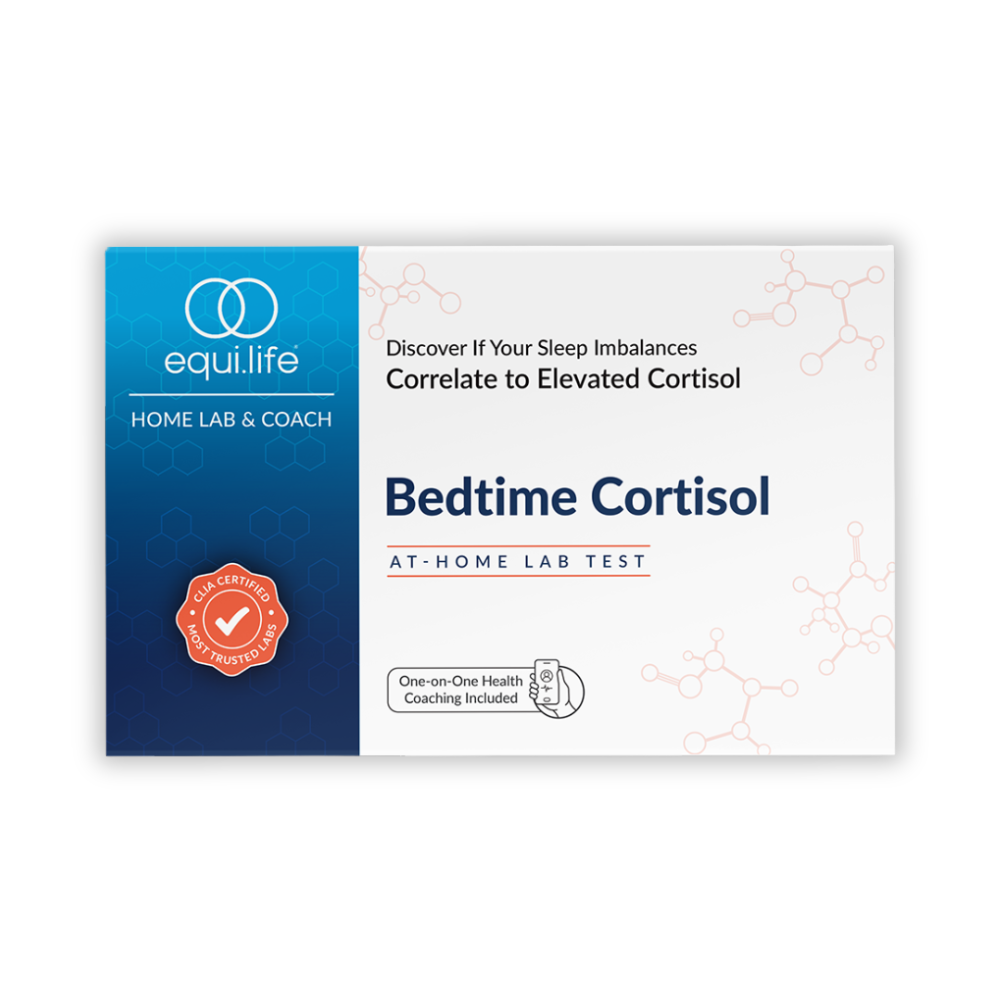
Struggling with restless sleep, low energy, or stress that won’t shut off at night? This at-home test looks at your cortisol levels at bedtime so you can finally connect the dots.
What to Do If Your Nighttime Cortisol Is High
If your bedtime cortisol comes back elevated, you can help your body reset with a mix of lifestyle changes and targeted support.
Here are my general following recommendations:
Lifestyle changes:
- Reduce blue light exposure at night (phones, TVs, tablets).
- Try the “3-2-1 sleep formula”: stop eating 3 hours before bed, stop work 2 hours before, and stop screens 1 hour before.
- Create a calming wind-down routine, such as reading, gentle stretching, or meditation.
Supplement support (if needed):
- Magnesium for muscle and nervous system relaxation
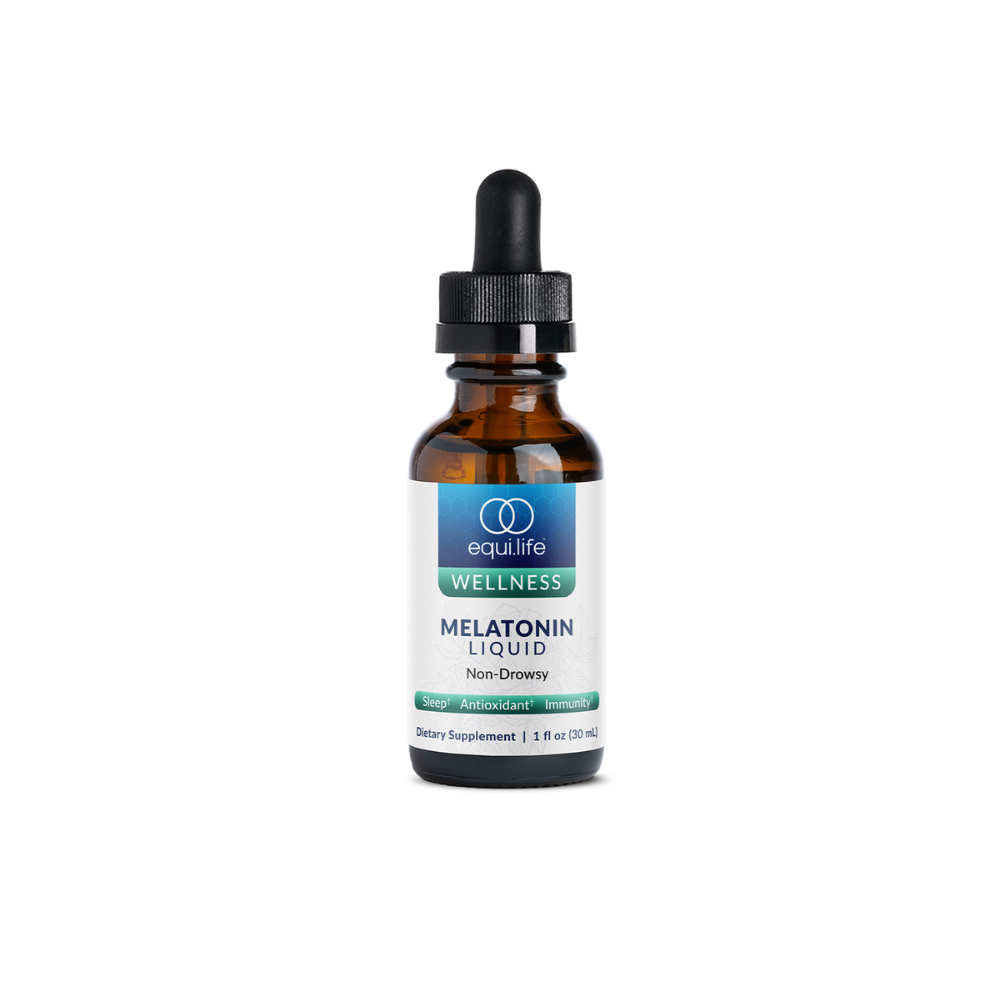
- Liquid melatonin (low dose, non-groggy)
- Adrenal support blends to help regulate stress response
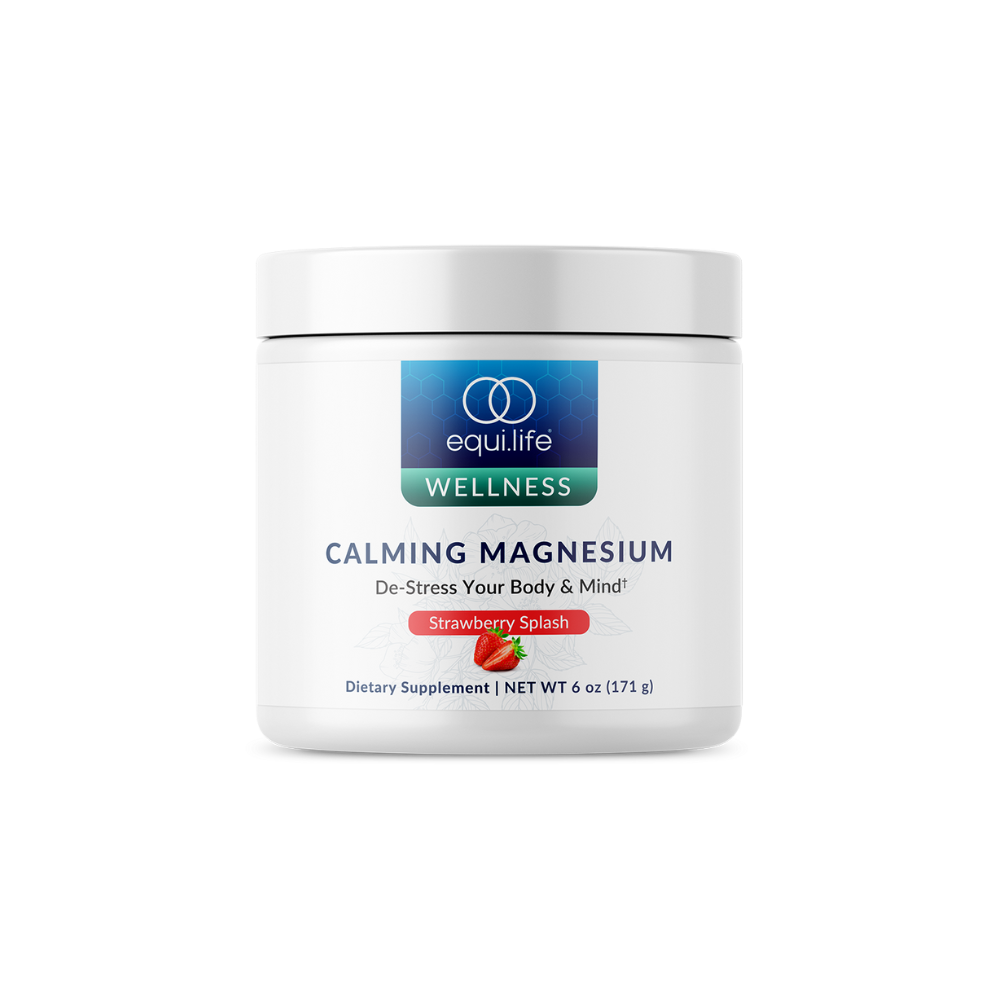
If your body feels tense at night or your mind just won’t shut off, this is one of my favorite magnesium options. It mixes easily, tastes good, and feels calming before bed.
This is one I keep on hand for nights when my sleep schedule feels off or my brain won’t quite settle. Simple, gentle, and easy to use.
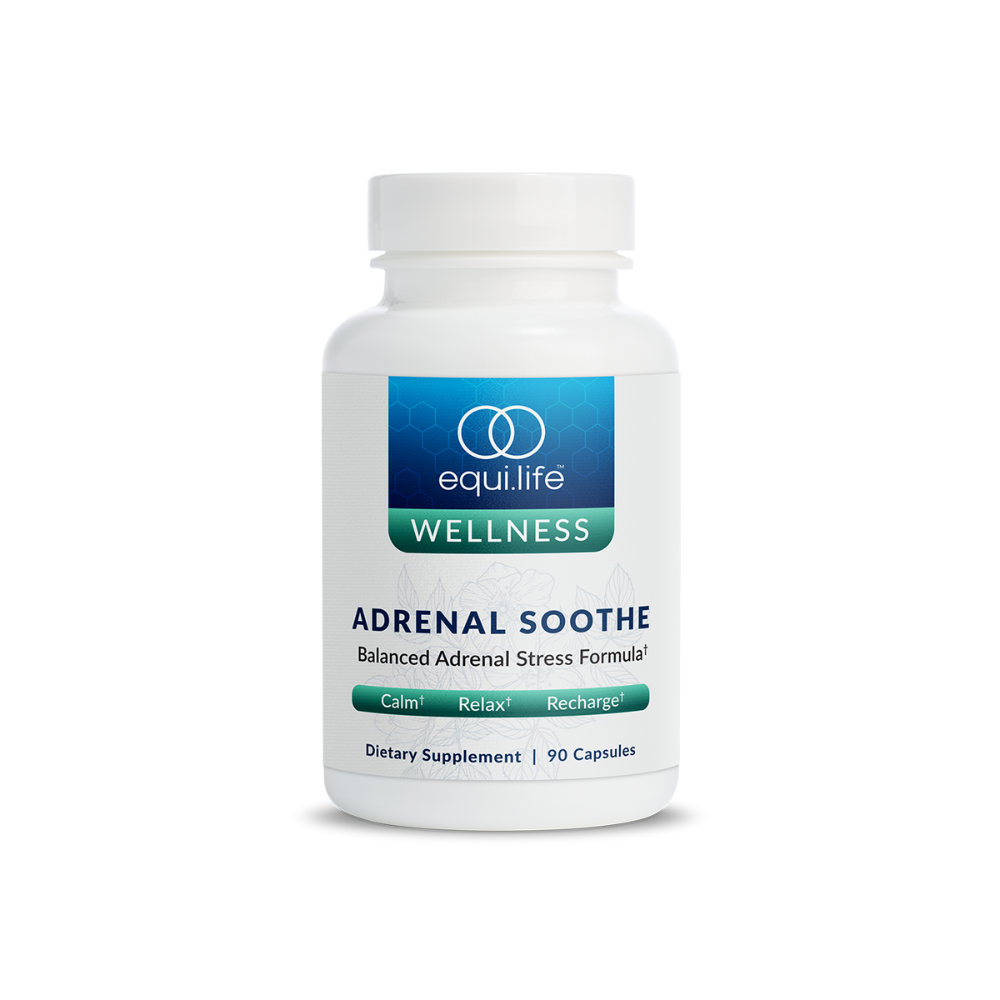
Feeling overwhelmed, wired, or mentally exhausted? This adaptogen blend is designed to support stress and cortisol balance.
Why Testing Beats Guessing
Poor sleep, restless nights, groggy mornings, stubborn belly fat, or high overnight blood sugar can all be linked to cortisol rhythm.
Without testing, you’re just guessing. A bedtime cortisol saliva test shows you exactly where the problem lies. If it’s high, you can work on lowering stress hormones.

If it’s normal, you can look at other factors like magnesium, serotonin, or overall nervous system balance.
Quick Recap
✅ Cortisol should be high in the morning and low at night.
✅ Morning-only testing can miss nighttime imbalances.
✅ Bedtime saliva tests are simple and accurate.
✅ Lowering nighttime cortisol improves sleep and recovery.
Final Thoughts
If you’ve been waking up tired, feeling wired at night, or struggling to recover, a simple bedtime cortisol test could help. Once you know whether cortisol is part of the problem, you can take targeted steps, from lifestyle tweaks to supportive supplements, to bring your stress hormones back into balance.
Now, I’d love to hear from you! If you tested your cortisol today, do you think your bigger challenge would show up in the morning… or at night? Let me know in the comments below.
💢 Still dealing with bloating, fatigue, or inflammation, no matter what you try?
If you’ve been chasing symptoms and nothing seems to stick, it’s time to look deeper. I’d love to help you uncover the root cause of your digestive + hormone issues so you can finally get the answers you’ve been looking for.
👉 To get started, learn how private coaching and functional lab testing can help you.
Additional Resources
- 10 Hidden Signs of High Cortisol (And How to Fix It)
- How to Naturally Lower Cortisol in the Body (& Feel Calm Again)
- Why Meditation Changes Your Brain (and How to Start Today)
- How to Fall Asleep Quickly with the 3-2-1 Sleep Method

👉 Like this and want to save it for later? Tap the Pinterest Pin button below—it’s an easy way to keep it on hand when you need it.