
Disclosure: This post may contain affiliate links, which means I may earn a small commission at no extra cost to you. I only share products I genuinely love and recommend. This content is also for educational purposes only and is not intended to diagnose, treat, cure, or prevent any illness or disease. Please consult your healthcare provider with any medical concerns or medication questions.
Low FODMAP sweeteners can make such a difference between enjoying a meal and dealing with hours of bloating, gas, or stomach pain afterward, especially if you have IBS or a sensitive gut.
Many people switch to sugar-free or “natural” sweeteners thinking they are a healthier option, only to feel worse. That’s because some sweeteners are high in FODMAPs, particularly fructose and sugar alcohols, which are known to trigger digestive symptoms in sensitive individuals.
In this guide, I’ll break down safe options, ones to avoid, how to use them, and practical tips so you can enjoy sweetness without the discomfort.
👉 Before we get started:
Be sure to grab access to my Free Wellness Library. It’s packed with e-books, gut health checklists, food trackers, and practical resources to help you feel better faster. You can get your free access below!

Why Sweeteners Trigger IBS Symptoms
FODMAPs are short-chain carbohydrates that are poorly absorbed in the small intestine. When they reach the colon, they draw in water and ferment, which can lead to gas, bloating, abdominal pain, and changes in bowel habits.
Clinical trials and systematic reviews show that reducing FODMAP intake improves symptoms for many people with IBS.1
Sweeteners tend to cause problems for two main reasons:
- Excess fructose, which is poorly absorbed in some people
- Polyols (sugar alcohols), which are well known for gas and laxative effects
How to Use This Low FODMAP Sweetener Guide
Before choosing a sweetener, keep these in mind:
- Serving size matters. Even low FODMAP sweeteners can cause symptoms in large amounts.
- Elimination is temporary. The goal is to calm symptoms, then reintroduce foods to find your personal tolerance.
- Low FODMAP does not mean healthy by default. Some low FODMAP sweeteners are refined or highly processed.
This guide separates digestive tolerance from ingredient quality so you can make informed choices.
Best Low FODMAP Sweeteners (Minimally Processed)
These options offer the best overlap between low FODMAP tolerance and minimal processing.
Pure Maple Syrup (My Top Recommendation)
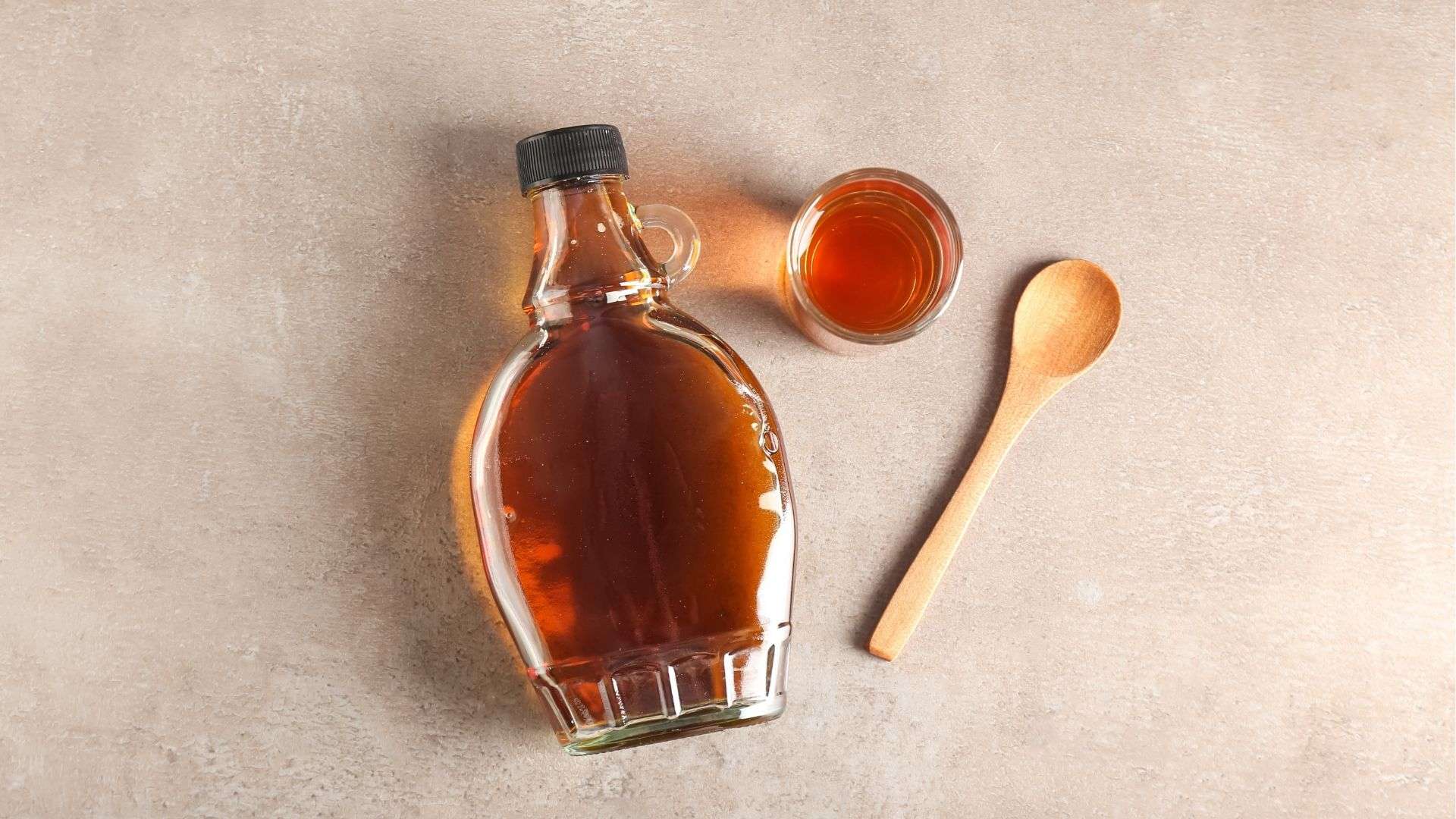
Pure maple syrup is generally considered low FODMAP in typical serving sizes and is made by boiling down maple tree sap. It is one of the easiest options for people who want something that is both gut-friendly and closer to a whole food.
Best uses: coffee, oatmeal, dressings, baking
Tip: Choose 100% pure maple syrup, not pancake syrup.
Low FODMAP Sweeteners That Are More Processed
These sweeteners can be useful for symptom management but are not whole or minimally processed. Think of them as occasional tools rather than daily staples.
Rice Malt Syrup
Rice malt syrup is made by breaking down rice starch into sugars. It does not contain fructose, which is why it is often better tolerated from a FODMAP standpoint.
Best uses: baking, granola, bars
Watch for: overuse due to its mild sweetness
Table Sugar (Sucrose)
Table sugar is considered low FODMAP in small amounts, but it is highly refined. While it may not trigger FODMAP symptoms for many people, it does not offer gut-supportive benefits.
Bottom line: low FODMAP, refined, best used sparingly
High FODMAP Sweeteners to Avoid During Elimination
Even sweeteners that seem “natural” can be problematic for IBS when they are high in fructose.
Honey
Raw honey can fit into a whole-food lifestyle, but it is commonly high in FODMAPs due to its fructose content.
Many people with IBS notice symptoms when using it during elimination.
High Fructose Corn Syrup
HFCS is consistently listed as high FODMAP and is best avoided if you are managing digestive symptoms.
Agave Syrup
Agave is very high in fructose and is one of the most common sweeteners linked to bloating and digestive distress in people with IBS and fructose malabsorption.
Sugar Alcohols: The Biggest IBS Trigger
Sugar alcohols, also called polyols, are one of the most common causes of bloating, gas, and diarrhea.
Common examples include:
- Sorbitol
- Mannitol
- Xylitol
- Maltitol
These sweeteners are poorly absorbed and have well-documented laxative and fermentative effects.
Where they hide: sugar-free gum, keto snacks, protein bars, candies, cough drops, toothpaste
Simple rule: if the ingredient ends in “-ol,” proceed with caution.
Stevia and Monk Fruit: What to Know
Stevia
Stevia comes from a plant, but most products are purified extracts. Stevia itself is not considered a FODMAP, but many commercial versions are blended with fillers or sugar alcohols.
If you use stevia, choose products with simple ingredient lists and no polyols.
Monk Fruit
Monk fruit is also plant-based, but many monk fruit sweeteners rely on erythritol for bulk. Monk fruit can be a good option only when it is not combined with sugar alcohols.
Why “Sugar-Free” Does Not Mean Low FODMAP
Sugar-free products often replace sugar with polyols or artificial sweeteners. These ingredients can be more irritating to the gut than small amounts of real sugar.
Some research suggests that certain non-nutritive sweeteners may affect the gut microbiome, though effects vary by sweetener, dose, and individual.2
Low FODMAP Sweetener Cheat Sheet
Best Low FODMAP and Minimally Processed
✔️ Pure maple syrup
Low FODMAP but More Processed
✔️ Rice malt syrup
✔️ Table sugar
High FODMAP (Avoid During Elimination)
✔️ Honey
✔️ High fructose corn syrup
✔️ Agave syrup
Most Likely to Trigger IBS Symptoms
✔️ Sugar alcohols (sorbitol, mannitol, xylitol)
How to Use Low FODMAP Sweeteners Daily
For Coffee and Tea
Maple syrup is often the easiest option. If you prefer no-sugar sweeteners, use stevia or monk fruit only if they are free from sugar alcohols.
For Baking
Maple syrup works well in muffins and quick breads. Rice malt syrup can work in bars and granola but should be measured carefully.
For Sauces and Dressings
Maple syrup is usually the most reliable low FODMAP option for adding sweetness.
Frequently Asked Questions
Are sugar alcohols safe if they are natural?
Natural does not mean tolerated. Sugar alcohols are associated with dose-dependent digestive symptoms.
Is honey healthy but not low FODMAP?
Yes. Honey can fit into a whole-food diet, but it is often problematic for IBS during the elimination phase.
Does a low FODMAP diet actually help IBS?
Yes. Multiple studies show symptom improvement for many people with IBS, especially in the short term.
Quick Recap
✅ Low FODMAP does not mean unprocessed. Some tolerated sweeteners are still highly refined.
✅ Pure maple syrup is the best low FODMAP, minimally processed option.
✅ Rice malt syrup and table sugar are low FODMAP but best used sparingly.
✅ Honey, agave, and high fructose corn syrup are typically high FODMAP and symptom-triggering.
✅ Sugar alcohols (polyols) are a common IBS trigger and are best avoided.
✅ Stevia and monk fruit work best when free from sugar alcohol blends.
✅ Portion size matters for all sweeteners.
Final Thoughts
You don’t have to give up sweetness to support your gut. In fact, many of the biggest triggers come from “sugar-free” products that rely on sugar alcohols and heavily processed substitutes.
Starting with options like pure maple syrup, being cautious with refined sweeteners, and avoiding sugar alcohols gives your digestion the best chance to stay calm while you figure out your personal tolerance.
As with everything gut-related, your body is the final authority. Reintroduce slowly, notice how you feel, and adjust based on what works for you.
Now I’d love to hear from you! Which sweeteners have you found easiest to tolerate, or which one are you curious to try next? Let me know in the comments below.
💢 Still dealing with bloating, fatigue, or inflammation, no matter what you try?
If you’ve been chasing symptoms and nothing seems to stick, it’s time to look deeper. I’d love to help you uncover the root cause of your digestive + hormone issues so you can finally get the answers you’ve been looking for.
👉 To get started, learn how private coaching and functional lab testing can help you.
Additional Resources
- 4 Healthy Sugar Alternatives You’ll Feel Good About (And 5 to Ditch Now)
- 6 Hidden Reasons Fructose Malabsorption Causes Gas and Bloating
- 10 Best Debloating Foods to Eat When You’re Feeling Bloated
- The 4 Root Causes of Digestive Problems (And How to Heal Them Naturally)
- The Ultimate Guide to Low FODMAP Garlic and Onion Substitutes (That Actually Taste Good)
Footnote:
- Efficacy of a low-FODMAP diet in adult irritable bowel syndrome: a systematic review and meta-analysis ↩︎
- Personalized microbiome-driven effects of non-nutritive sweeteners on human glucose tolerance ↩︎
👉 Like this and want to save it for later? Tap the Pinterest Pin button below—it’s an easy way to keep it on hand when you need it.