

Disclosure: This post may contain affiliate links, which means I may earn a small commission at no extra cost to you. I only share products I genuinely love and recommend. This content is also for educational purposes only and is not intended to diagnose, treat, cure, or prevent any illness or disease. Please consult your healthcare provider with any medical concerns or medication questions.
Somewhere along the way, “sugar-free” became the gold standard for eating clean. If the label promised zero calories or low sugar, it felt like the healthier choice.
But behind those promises were ingredients that didn’t exactly play nice with the body. Artificial sweeteners, sugar alcohols, and processed alternatives started showing up in everything… and while they may cut calories, they can also throw off your gut, mess with your blood sugar, and leave you feeling anything but balanced.
The truth is, not all sweeteners are harmful, and you don’t have to give up everything sweet to feel better. In this post, we’ll go over the best natural sugar alternatives that work better for your body (and the ones that don’t).
? Before we dive in, quick heads-up:
If you love having supportive resources at your fingertips, I’ve put together a Free Wellness Library just for you. It’s packed with meal planners, checklists, gut-friendly tips, and simple wellness guides. Grab it below!

Why Sugar Alternatives Matter
Artificial sweeteners are everywhere. In your yogurt. In your gum. Even in those “healthy” protein bars.
And while they’re often marketed as the perfect solution—“No sugar! No calories!”—the truth is that many of them can do more harm than good.
A lot of people trying to lose weight think they need to hack the system. But the body doesn’t like to be tricked. Long-term health and effortless weight loss come from balance.
Over time, artificial sweeteners have been linked to:
- Blood sugar imbalances
- Digestive issues
- Headaches and migraines
- Anxiety and mood changes
- Potential risks for type 2 diabetes and even cancer
And honestly? That little bit of “no-calorie” sweetness just isn’t worth it.
5 Artificial Sweeteners to Avoid
These are the ones to avoid at all costs.
Aspartame
- Such as Equal and NutraSweet
- Linked to neurological issues, including anxiety, ADD/ADHD, and mood disorders1
- Associated with headaches, oxidative damage, and brain fog
- May strain liver detox pathways
Sucralose
- Such as Splenda
- Contains chlorine (yep, like the stuff in pools)
- Can disrupt gut bacteria and act like an antibiotic in your digestive system
- May impair blood sugar regulation
Acesulfame K
- Such as Ace-K and Sweet One
- Found in gum, candy, and flavored beverages
- Linked to nausea and digestive upset
- Can stress the liver and kidneys
Saccharin
- Such as Sweet’N Low
- Often used in older diet products and medications
- Associated with bladder cancer2
- May cause digestive irritation
Sugar Alcohols
- Such as Xylitol, Sorbitol, Maltitol, etc.
- Easy to spot—just look for names ending in “-ol”
- Can ferment in the gut and cause gas, bloating, and diarrhea
- Especially problematic for people with IBS, SIBO, or sensitive digestion
- Commonly found in “low-carb” bars, mints, and sugar-free snacks
Bottom line: If you’ve got a sensitive gut or want to avoid sneaky symptoms, it’s best to skip these.
Related:
6 Unhealthy Foods to Avoid If You Want to Feel Better
Are Sugar Alcohols Safe?
They’re not quite sugar, not quite alcohol. They’re… something in between.
While they’re often labeled as low-calorie and keto-friendly, sugar alcohols can really mess with your digestion.
People dealing with bloating, cramping, and GI distress that turns out to be tied to sugar alcohols.
Some people tolerate them just fine. But, most are better off without them.
? Side note: Looking for simple tools to support your digestion? My Free Wellness Library is full of meal planners, gut guides, and daily trackers. You can get free access below!
The Best Natural Sugar Alternatives
So what can you use if you want to ditch white sugar and still enjoy the occasional treat?
There are a few natural sugar alternatives that actually get the green light (just use them in small amounts!).
Raw Honey
- Naturally rich in antioxidants and nutrients
- A ½ teaspoon has only ~2.5–3g of sugar
- Easy to digest in small doses
Related:
Sugar to Honey Substitute: An Easy Conversion Guide (Chart Included)
Maple Syrup
- Minimally processed and loaded with minerals
- Great in oatmeal, baking, or dressings
Stevia
- Plant-derived and used for centuries in Brazil and Japan
- Helps regulate blood sugar and may support cholesterol balance
- Avoid overly processed versions like Truvia, which only contains ~1% real stevia
- Look for raw, organic, or green leaf forms instead
Heads-up: If you have a ragweed allergy, stevia might cause a mild reaction. It’s often a sign your gut could use some healing.
Monk Fruit
- Zero sugar, zero calories, and gut-friendly
- Supports the immune system and microbiome
- Found in many clean-label products and supplements
- It’s one of only two sweeteners I personally use (the other is stevia)
Related:
5 Best Foods for Gut Health and Weight Loss
Sugars in Moderation
These sit in the middle ground. They’re not bad—just better in moderation.
- Coconut Sugar: A bit more processed, but fine in small amounts
- Date Syrup: Nutrient-dense and natural, just don’t go overboard
- Brown Rice Syrup: Okay if used sparingly (think a couple grams, not 15!)
Use these as occasional sweeteners, not everyday staples.
The Natural Sweetener to Avoid
This one surprises people.
Even though it’s plant-based, agave is extremely high in fructose, which can feed harmful bacteria and yeast in the gut, especially if you’re already dealing with digestion issues.
I recommend avoiding agave altogether if you’re trying to support gut health or rebalance your microbiome.
Quick Recap
✅ Use in small amounts:
- Raw honey
- Maple syrup
- Organic stevia
- Monk fruit
✅ Avoid completely:
- Aspartame
- Sucralose
- Acesulfame K
- Saccharin
- Sugar alcohols
✅ Use sparingly:
- Coconut sugar
- Date syrup
- Brown rice syrup
- Agave (preferably not at all)
Final Thoughts
Artificial sweeteners might seem like a quick fix, but they rarely deliver the long-term benefits we’re looking for. In fact, they can do the exact opposite, throwing off your digestion, hormones, and mood while pretending to be the “healthier” choice.
By choosing sugar alternatives that are closer to nature, like raw honey, maple syrup, monk fruit, or organic stevia, you can satisfy your sweet tooth without sacrificing your well-being.
Now I’d love to hear from you! What’s your go-to natural sweetener? Or which one are you thinking of trying first? Drop it in the comments!
Additional Resource
- How to Lower Blood Sugar Naturally (Without Eating Less)
- The 4 Root Causes of Digestive Problems (And How to Heal Them Naturally)
- 9 Small Detox Lifestyle Habits That Make a Big Difference
Footnote:
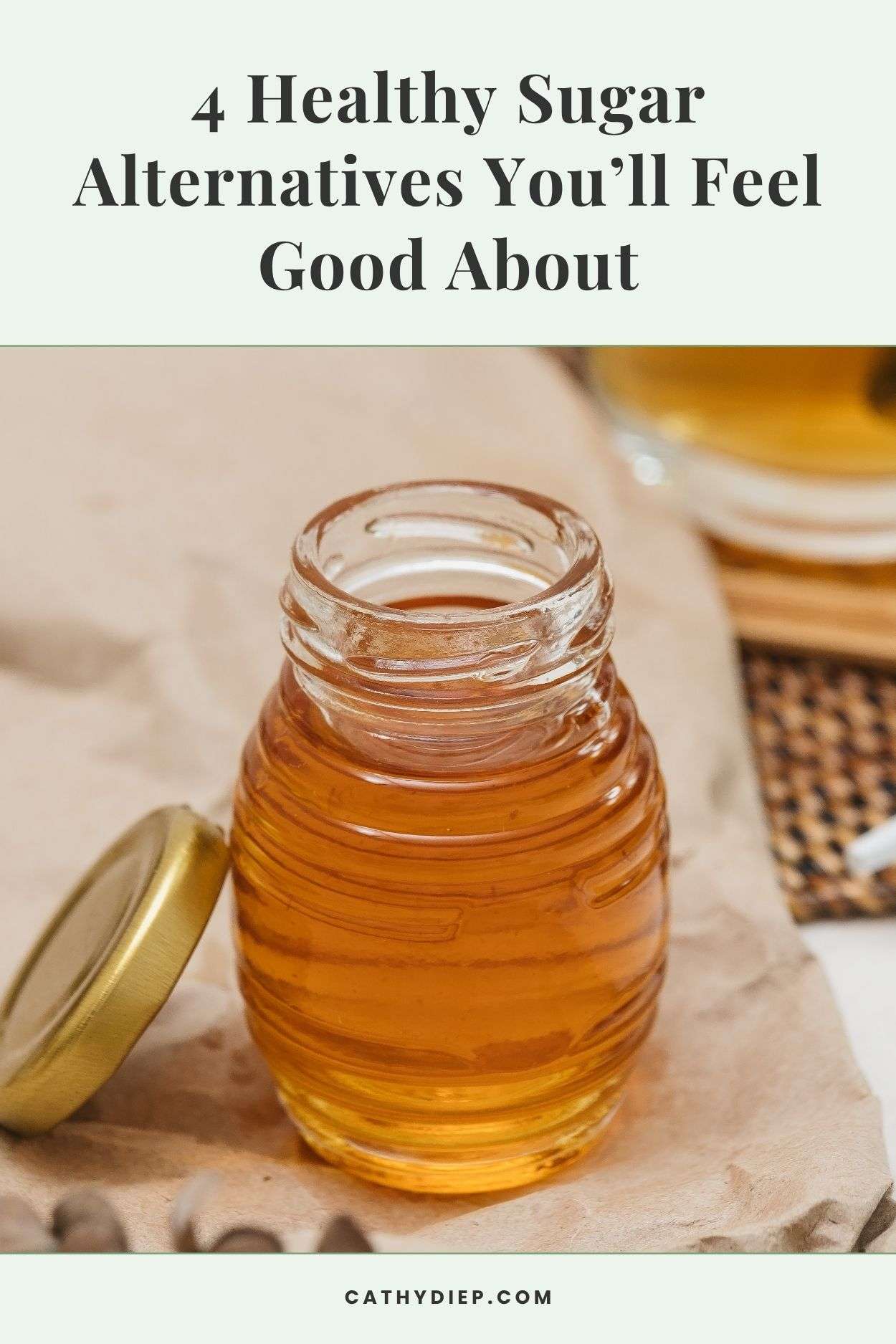
? Like this and want to save it for later? Tap the Pinterest Pin button below—it’s an easy way to keep it on hand when you need it.