
Disclosure: This post may contain affiliate links, which means I may earn a small commission at no extra cost to you. I only share products I genuinely love and recommend. This content is also for educational purposes only and is not intended to diagnose, treat, cure, or prevent any illness or disease. Please consult your healthcare provider with any medical concerns or medication questions.
When your gut is happy, you feel energized, clear-headed, and maybe even a little lighter on your feet. But when it’s upset, you may experience bloating, gas, and all those less-than-fun digestive surprises.
That’s where prebiotic foods come in! They feed the good bacteria that keep everything balanced and working the way it should. But what most people don’t know is that if your gut isn’t balanced yet (think candida, SIBO, or IBS), some of these same foods can actually make things worse.
I used to avoid garlic like the plague because it would wreck me. Now, I can enjoy it again, all because I healed my gut first.
So in this post, I’ll share the 15 best prebiotic foods your gut will love, plus a little guidance on when to enjoy them and when to hit pause.
? Before we get started:
Be sure to grab access to my Free Wellness Library. It’s packed with e-books, gut health checklists, food trackers, and practical resources to help you feel better faster. You can get your free access below!

What Are Prebiotics?
Prebiotics are fibers that act like food for your healthy gut bacteria. When your gut is in good shape, these foods:
- Strengthen your immune system (remember, 70–80% of it lives in your gut).
- Help your body detox naturally.
- Keep digestion smooth and energy levels steady.
But here’s the tricky part: prebiotics feed all bacteria: good and bad. If your gut is struggling with dysbiosis (imbalance), it can fuel yeast, candida, or harmful bacteria, too.
When Prebiotics Can Do More Harm Than Good
If you’re dealing with…
- Candida or yeast overgrowth
- SIBO (small intestinal bacterial overgrowth)
- Crohn’s, colitis, or IBS
- Chronic bloating and gas
…loading up on prebiotics right now could actually worsen your symptoms.
This doesn’t mean you’ll never eat these foods again. It just means your gut needs to be rebalanced first.
Related:
10 Best Debloating Foods to Eat When You’re Feeling Bloated
15 Best Prebiotic Foods Your Gut Will Love
Here are the top foods that feed your beneficial bacteria and support long-term gut health.
1. Brussels Sprouts & Cruciferous Veggies
These veggies are packed with prebiotic fiber that feeds your gut bacteria. They also contain sulfur-based amino acids that support detoxification. But if your gut isn’t balanced, they may cause bloating or gas.
2. Asparagus
High in prebiotic fiber and delicious roasted, grilled, or tossed into salads.
3. Onions
Onions are among the most potent natural prebiotics. They deliver sulfur compounds that help with detoxification, while also strongly supporting healthy gut flora.
4. Garlic
Garlic belongs to the same family as onions, leeks, and scallions. It’s loaded with sulfur-based amino acids that support detox and immune health.
5. Leeks, Shallots & Scallions
All part of the onion/garlic “Allium family” and excellent for feeding good bacteria.
6. Apples
Apples contain pectin, a type of prebiotic fiber that your gut bacteria love. Green apples, in particular, are an excellent source of food for good bacteria.
7. Pears & Asian Pears
Sweet, juicy, and great for nourishing a healthy microbiome.
8. Cherries, Blackberries & Figs
Excellent fruit options to naturally fuel beneficial bacteria and are rich in natural fibers.
9. Peaches, Nectarines & Mangoes
High in natural sugars that feed both good and bad bacteria, best for balanced guts.
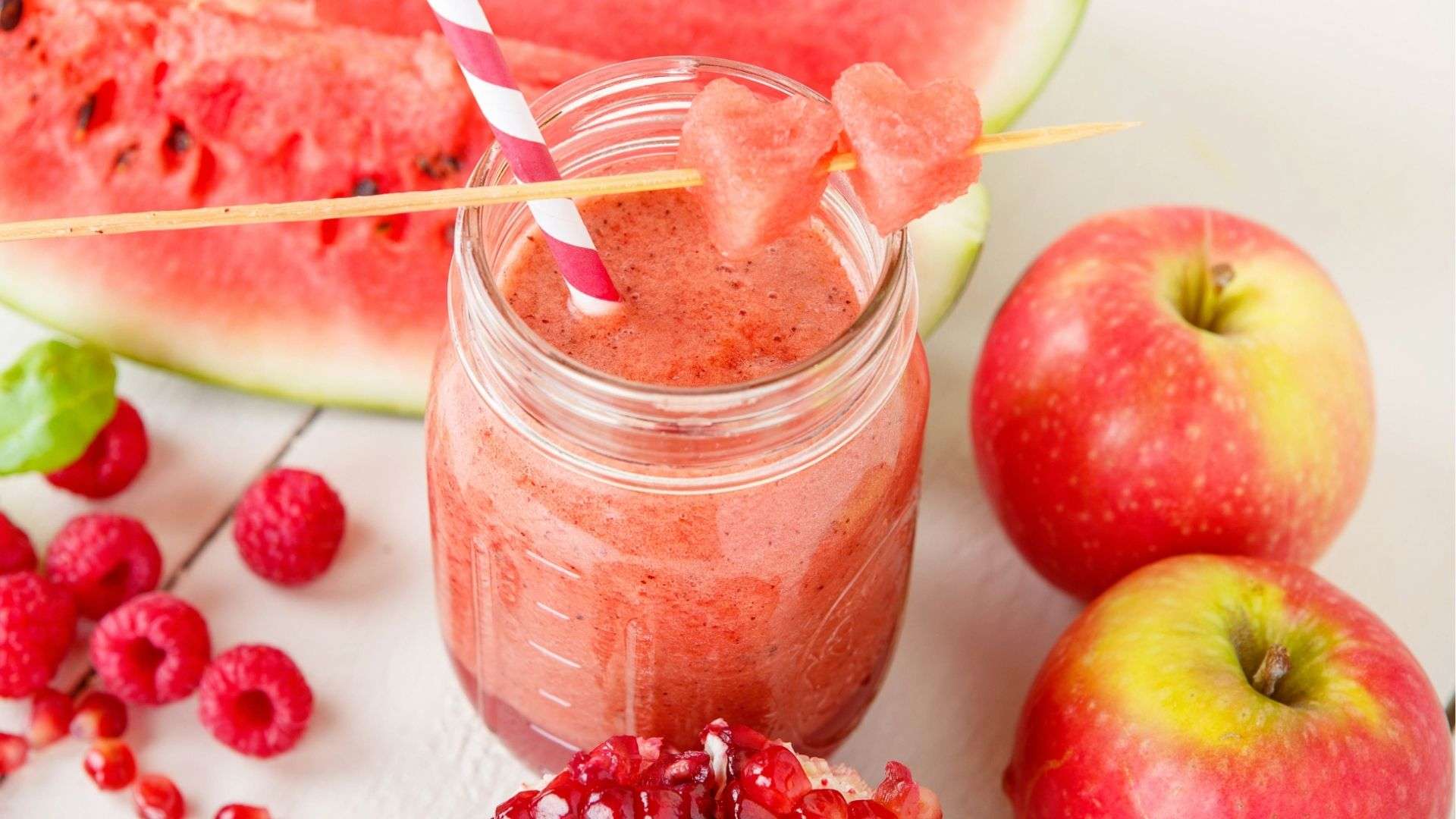
10. Watermelon & Pomegranates
Refreshing, hydrating fruits that also support your gut flora.
11. Cashews & Pistachios
These nuts are surprisingly high in prebiotic compounds, specifically fructans.
12. Almonds & Hazelnuts
While not as strong as cashews or pistachios, almonds and hazelnuts still offer prebiotic benefits. They’re a gentler nut option when you want to add variety to your gut-friendly diet.
13. Chickpeas & Lentils
Beans and lentils are excellent sources of prebiotics. But, when eaten in dried form, they’re high in fructans and can cause gas. Sprouting, soaking, or cooking thoroughly makes them easier on digestion and more supportive for your gut.
14. Chicory Root
A popular coffee substitute that’s loaded with prebiotic fiber.
15. Raw Honey
In small amounts, raw honey has prebiotic benefits. Always stick to raw, unprocessed honey in moderation.
How to Know If You’re Ready for Prebiotics
If you’re not sure if your gut is ready to eat these prebiotic foods, here’s a quick guide:
- Signs you’re not ready yet: bloating, gas, candida symptoms, or IBS flare-ups.
- The best test is the Organic Acids Test, which examines waste metabolites from yeast and bacteria.
Related:
The 4 Root Causes of Digestive Problems (And How to Heal Them Naturally)
Quick Recap
✅ Prebiotics = food for your good bacteria.
✅ They can also feed harmful bacteria if your gut is imbalanced.
✅ The 15 best natural prebiotics include veggies, fruits, nuts, legumes, and even raw honey.
✅ Heal your gut first, then add them back in, and enjoy long-term gut health.
Final Thoughts
Prebiotic foods are truly some of the best gifts you can give your gut. From crunchy cruciferous veggies and flavorful onions to juicy fruits and even a drizzle of raw honey, these foods help your good bacteria thrive and keep your digestion running smoothly.
But, if your gut is out of balance with candida, SIBO, or other bacterial overgrowth, even the healthiest prebiotic foods can backfire and feed the “bad guys” too.
That’s why it’s important to focus first on rebalancing your gut, then slowly add these foods back in once your system is ready.
Once your gut is healthy, you can enjoy these foods freely.
? Check out the EquiLife Candida & Bacterial Optimizer (CBO) Protocol
This is the exact same protocol I recommend to people who are ready to stop chasing symptoms and finally get to the root of their digestive issues.
Now, I’d love to hear from you! Which of these prebiotic foods is your favorite, and have you ever noticed how your body responds when you eat them? Let me know in the comments below.
? If you enjoyed this post, find more helpful resources in the Free Wellness Library, including e-books, checklists, trackers, and more!
Additional Resources
- 8 Signs Your Gut Doesn’t Have Enough Fiber (and How to Help It)
- 5 Colorful Gut-Healing Food Groups Your Gut Will Love
- How to Naturally Eliminate Small Intestinal Bacterial Overgrowth (SIBO) in 12 Weeks
- The Truth About the Candida Diet (and Why It Often Fails)
- 10 Best Debloating Foods to Eat When You’re Feeling Bloated

? Like this and want to save it for later? Tap the Pinterest Pin button below—it’s an easy way to keep it on hand when you need it.