
Disclosure: This post may contain affiliate links, which means I may earn a small commission at no extra cost to you. I only share products I genuinely love and recommend. This content is also for educational purposes only and is not intended to diagnose, treat, cure, or prevent any illness or disease. Please consult your healthcare provider with any medical concerns or medication questions.
You feel tired, your focus is off, and you seem to catch every cold that comes your way. Maybe you have also noticed tingling in your hands or feet, changes in your hair color, or concerns with your skin, hair, nails, or joints.
At first, these things may not seem connected.
When low energy shows up, most people think about iron, sleep, stress, or vitamin B12. Those may all be worth considering, but copper deficiency symptoms can look surprisingly similar. That overlap is one reason low copper may be easy to overlook.
Copper is a small mineral, but it helps with processes related to energy, mood, immune function, nerves, hair pigmentation, collagen, and thyroid activity. I find it helpful to look at the full pattern instead of focusing on one symptom by itself.
In this post, you’ll learn six possible copper deficiency symptoms, why they can be difficult to recognize, and which copper-rich foods may help support your intake.
👉 Before we get started: Be sure to grab access to my Free Wellness Library. It’s packed with e-books, gut health checklists, food trackers, and practical resources to support your gut health.

6 Copper Deficiency Symptoms to Know
Copper is involved in several processes throughout the body, so low levels may show up in different ways.
Here are six signs to know.
1. Fatigue and Anemia-Related Signs
Fatigue is one of the first signs associated with low copper.
When someone feels tired, looks pale, or struggles to focus, iron is often the first nutrient that comes to mind. Iron is important, but it may not be the only piece of the puzzle.
Copper helps the body use iron in processes related to hemoglobin production and oxygen transport. Hemoglobin helps carry oxygen throughout the body, which supports energy, mood, and focus.
Signs may include:
- Low energy
- Pale-looking skin
- Low appetite
- Difficulty focusing
- Slower growth in children
- Learning difficulties in children
Vitamin B12 and certain other B vitamins may also be involved in anemia-related concerns, which is why looking beyond iron alone can be helpful.
2. Frequent Colds and Low White Blood Cell Levels
Copper helps support the creation and movement of white blood cells.
These cells are part of your body’s first line of defense and help respond when you come into contact with viruses and other unwanted pathogens.
Low copper may be connected to:
- Frequent colds
- Low white blood cell levels
- Weakened immune function
Copper also works closely with zinc.
I like to think of these two minerals as partners because too much of one may push down the other.
3. Brain Fog, Tingling, or Numbness
Copper is used by the nerves and nervous system.
Your brain sends signals through the spinal column and nerves to control movement and sensation. Copper helps those nerves conduct signals properly.
Low levels may be linked to:
- Brain fog
- Tingling in the hands or feet
- Numbness
- Poor nerve conduction
Certain B-vitamin deficiencies may cause similar symptoms, so copper is not the only nutrient to consider.
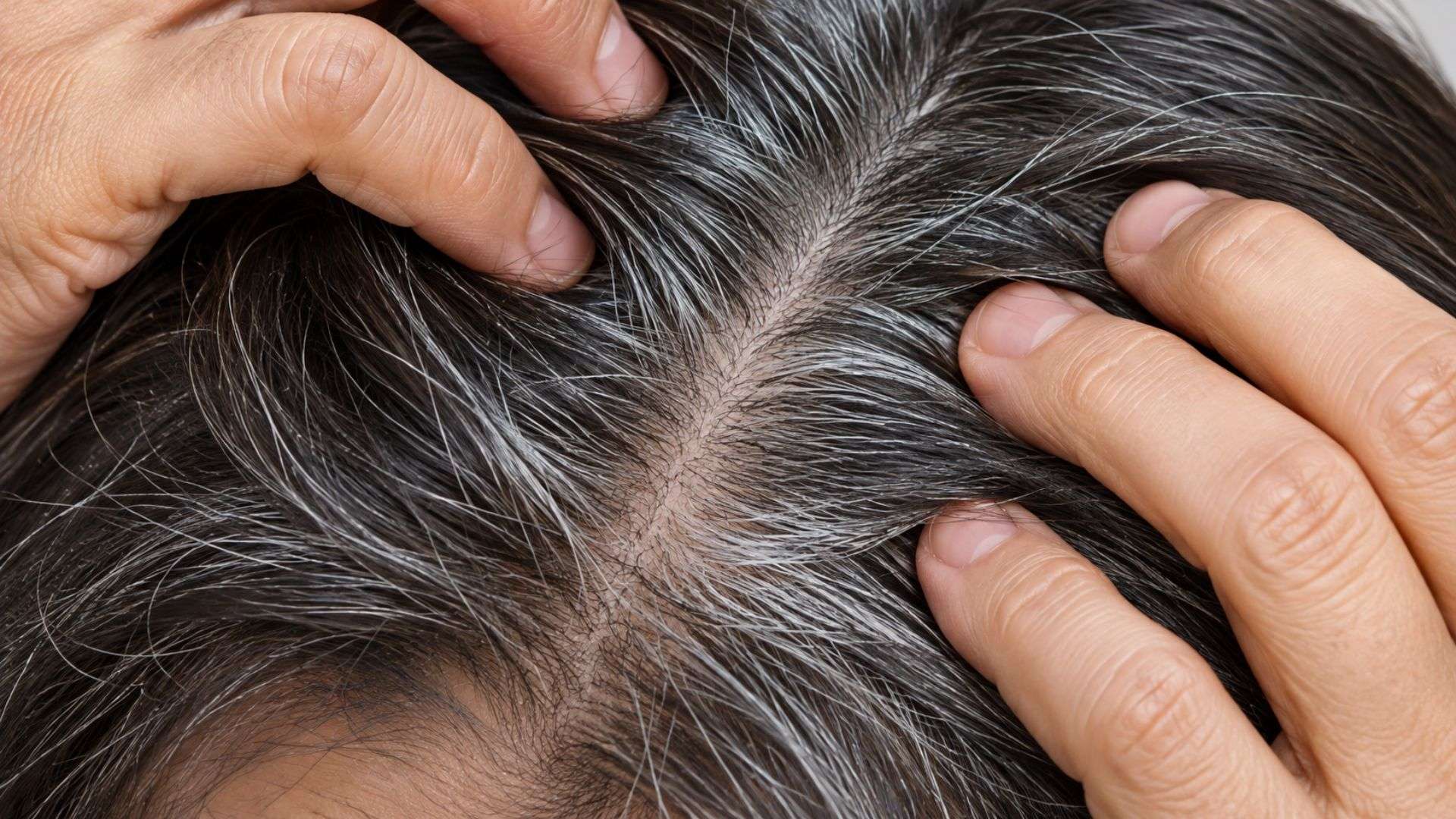
4. Gray or White Hair
Gray hair is probably the sign most people associate with copper.
Copper supports melanocytes, the cells that produce melanin. Melanin gives hair and skin their natural color.
When these cells cannot produce enough melanin, you may notice:
- Gray hair
- White hair
- Changes in natural hair pigmentation
Copper is only one part of the picture. Oxidative stress, poor sleep, vitamin B12, and other nutrients may also affect hair color.
I would not view gray hair alone as proof of low copper. It may be more meaningful when it appears alongside other signs.
5. Changes Involving Skin, Hair, Nails, or Joints
Copper supports collagen and elastin fibers, which help provide structure throughout the body.
These fibers are connected to the condition of your:
- Skin
- Hair
- Nails
- Joints
Copper helps with the cross-linking of collagen and elastin. In simple terms, it supports the framework that gives these tissues their strength and structure.
It also supports an enzyme called superoxide dismutase, which helps neutralize free radicals and oxidative stress. Oxidative stress may contribute to the early breakdown of collagen.
When people think about collagen support, they often focus only on collagen supplements. Copper may also play an important role in maintaining the collagen matrix.
6. Symptoms Associated With a Sluggish Thyroid
Copper is one of several nutrients involved in thyroid activity.
The thyroid also relies on selenium, iodine, and tyrosine. Copper is involved in the process of converting T4 into the activated form of T3 in the liver and other cells.
Signs associated with sluggish thyroid function include:
- Thinning hair on the top of the head
- Thinning around the outer eyebrows
- Dry skin
- Low mood
- Low energy
- Low libido
- Brain fog
- Weight gain
These signs may involve several nutrients and other aspects of overall health, not copper alone.
Why Copper Deficiency Symptoms Can Be Easy to Miss
Low copper may be overlooked because its signs resemble concerns connected to other nutrients.
Fatigue may point you toward iron. Tingling may make you think about B vitamins. Dry skin, thinning hair, and low energy may bring thyroid health to mind.
Copper may be another part of that bigger picture.
Copper and Iron Work Together
Iron is involved in hemoglobin production and oxygen transport. Copper helps the body use iron in these processes.
When copper is low, fatigue, pale-looking skin, low appetite, and poor concentration may resemble low iron.
Related:
The Hidden Reasons Your Ferritin Stays Low (Even With Supplements)
Copper and B Vitamins Can Cause Similar Signs
Copper and certain B vitamins both support the nervous system.
Overlapping signs include:
- Brain fog
- Tingling
- Numbness
- Difficulty focusing
This overlap is one reason symptoms alone may not clearly point to one nutrient.
Copper and Zinc Need to Stay Balanced
Copper and zinc are mineral partners.
Too much zinc may lower copper levels, while too much copper may affect zinc. Both minerals support white blood cell function, so balance matters more than focusing heavily on one.
10 Copper-Rich Foods to Add to Your Routine
Food is one practical way to support your copper intake. You do not need to eat everything on this list.
Choose the options that fit naturally into meals you already enjoy.
1. Oysters
Oysters stand out as the richest copper source on the list. They also naturally contain zinc.
2. Shiitake Mushrooms
Shiitake mushrooms are another source of copper.
3. Firm Tofu
Firm tofu contains copper and offers a plant-based option. Choose organic tofu when looking for a non-GMO choice.
Related:
The Top 10 Health Benefits of Tofu You Need to Know
4. Sweet Potatoes
Sweet potatoes are included among the top copper-containing foods.
Related:
How to Cook a Baked Sweet Potato in the Oven
5. Sesame Seeds
Sesame seeds offer a simple way to add copper to meals.
6. Cashews
Cashews are another food source of copper.
7. Garbanzo Beans
Garbanzo beans, also called chickpeas, are a plant-based source of copper.
8. Wild Salmon
Salmon is another copper-containing food included on the list.
Related:
Easy Air Fryer Lemon Dill Salmon for a Healthy Dinner
9. Dark Chocolate
Dark chocolate contains copper. Choose an option with at least 70 percent cocoa. An 80 percent or higher option contains more cocoa with less sugar or milk-based ingredients.
10. Avocados
Avocados round out the list of copper-containing foods.
How to Look at Possible Low Copper
Rather than focusing on one symptom, look for patterns such as:
- Fatigue with pale-looking skin or low appetite
- Frequent colds with low white blood cell levels
- Brain fog with tingling or numbness
- Gray or white hair alongside other signs
- Changes involving the skin, hair, nails, or joints
- Several symptoms associated with sluggish thyroid function
I also find it helpful to remember that copper does not work alone. It interacts with zinc, while many of its possible signs overlap with concerns involving iron and B vitamins.
Quick Recap
✅ Copper deficiency symptoms may include fatigue, anemia-related signs, frequent colds, neurological changes, gray or white hair, collagen-related changes, and sluggish thyroid symptoms.
✅ Copper helps the body use iron for hemoglobin production and oxygen transport.
✅ Copper supports white blood cells, nerve conduction, melanin production, collagen, and elastin.
✅ Low-copper signs may resemble concerns involving iron, vitamin B12, other B vitamins, and thyroid health.
✅ Copper-containing foods include oysters, shiitake mushrooms, tofu, sweet potatoes, sesame seeds, cashews, chickpeas, salmon, dark chocolate, and avocados.
💢 Want help looking at the bigger picture?
As an Integrative Health Practitioner, I help you look more closely at your individual patterns. When appropriate, simple at-home lab testing can provide additional information to help guide a personalized nutrition, supplement, and lifestyle plan.
👉 To learn more, check out how private health coaching and functional lab testing can support your health and wellness goals.
Final Thoughts
Copper may be a small mineral, but it supports many processes throughout the body.
Because its possible symptoms can resemble signs connected to other nutrients, it helps to look at the full pattern instead of drawing a conclusion from one change.
Including a variety of copper-containing foods is one practical way to support your intake while keeping the focus on overall balance.
Now I’d love to hear from you! Which of these six possible copper deficiency symptoms surprised you the most? Let me know in the comments below.
Additional Resources
Looking for more ways to understand nutrient-related symptoms and build balanced, nourishing meals? These helpful guides are a great place to continue:
- The Hidden Reasons Your Ferritin Stays Low (Even With Supplements)
- 10 Warning Signs Your Magnesium Levels May Be Low
- The Top 10 Health Benefits of Tofu You Need to Know
- How to Cook a Baked Sweet Potato in the Oven
- Easy Air Fryer Lemon Dill Salmon for a Healthy Dinner

👉 Like this and want to save it for later? Tap the Pinterest Pin button below—it’s an easy way to keep it on hand when you need it.