

Disclosure: This post may contain affiliate links, which means I may earn a small commission at no extra cost to you. I only share products I genuinely love and recommend. This content is also for educational purposes only and is not intended to diagnose, treat, cure, or prevent any illness or disease. Please consult your healthcare provider with any medical concerns or medication questions.
High fiber and protein meals can completely change how your body feels throughout the day, especially if you are used to feeling hungry an hour after you eat.
For a long time, I could not figure out why I was still so hungry. The meals looked healthy, but they were not built to keep me full. But then I realized that what I actually needed was more protein and more fiber.
When you start building meals this way, hunger settles down, energy feels steady, and cravings stop running the show.
In this guide, I’ll show you how much protein and fiber you actually need, the best foods to focus on, 20 balanced meal ideas with macros, a simple 7-day plan, how to do this on a budget, and what the research says about why this approach works.
👉 Before we get started:
Be sure to grab access to my Free Wellness Library. It’s packed with e-books, gut health checklists, food trackers, and practical resources to help you feel better faster. You can get your free access below!

Why Protein and Fiber Work Well Together
Protein Supports Fat Loss and Reduces Hunger
Protein is the most filling macronutrient.
Research published in the American Journal of Clinical Nutrition shows that increasing protein intake can reduce appetite and help people naturally eat less overall. In one study, participants who increased protein from 15 percent to 30 percent of daily intake consumed about 400 fewer kcal per day without intentionally dieting.1
Protein helps by:
- Lowering hunger hormones
- Increasing fullness hormones
- Slowing stomach emptying
- Preserving muscle while losing fat
Preserving muscle matters because muscle helps support metabolism while leaning out.
A common evidence-based recommendation2 for fat loss is 1.2 to 1.6 grams per kilogram of body weight per day.
For many women, that lands somewhere between 90 and 130 grams daily.
Fiber Improves Fullness and Blood Sugar Stability
Fiber plays a major role in appetite control.
It slows digestion, which means food leaves your stomach more slowly and sugar enters your bloodstream more gradually. When blood sugar stays steady, energy stays steady.
Research in The Journal of Nutrition links higher fiber intake to lower body weight and improved metabolic health.3
Fiber helps with:
- Feeling full longer
- Supporting healthy gut bacteria
- Reducing constipation
- Improving blood sugar control
Most women need 25 to 30 grams per day, yet many get only half that.
What Counts as High Protein and High Fiber?
A protein-focused meal typically contains 25 to 40 grams of protein.
A fiber-focused meal contains 8 to 12 grams of fiber.
If you eat three meals and one snack structured this way, you can comfortably reach:
- 100 to 130 grams of protein per day
- 25 to 30 grams of fiber per day
How Much Protein Do You Need?
If you weigh 150 pounds, that equals about 68 kilograms.
At 1.4 grams per kilogram, that is about 95 grams per day.
If you are more active, 110 to 120 grams may be appropriate.
For reference:
- 2 eggs = 12g protein
- 4 ounces chicken = 28g protein
- 1 cup Greek yogurt = 20g protein
- 1 cup lentils = 18g protein
Eggs are great, but they are not enough on their own for a full protein-forward meal unless you eat several.
How to Reach 30 Grams of Fiber Per Day
Fiber adds up quickly when you choose the right foods.
- 1 cup raspberries = 8g
- 1 cup black beans = 15g
- 1 cup lentils = 15g
- 1 medium pear = 5–6g
- 1 tablespoon chia seeds = 5g
Add beans to lunch, berries at breakfast, and vegetables at dinner, and you are almost there.
If fiber is new for you, increase gradually and drink enough water.
The Best Protein-Rich and Fiber-Focused Foods
1. Legumes
Natural protein and fiber powerhouses.
1 cup cooked lentils
18g protein | 15g fiber
1 cup black beans
15g protein | 15g fiber
1 cup chickpeas
14g protein | 12g fiber
Plant-Based Proteins
1 cup edamame
17g protein | 8g fiber
1 cup tofu
20g protein | 2–3g fiber
1 cup tempeh
21g protein | 6g fiber
1 cup quinoa
8g protein | 5g fiber
Animal Proteins
High in protein but contain no fiber, so pair them wisely.
4 oz chicken breast
28g protein
4 oz lean ground beef
26g protein
1 cup Greek yogurt
20g protein
2 eggs
12g protein
Whole Grains
1 cup cooked quinoa
8g protein | 5g fiber
1 cup cooked farro
7g protein | 7g fiber
1 cup brown rice
5g protein | 3.5g fiber
1 cup oats
10g protein | 8g fiber
Whole grains help round out protein-packed meals.
Fruits and Vegetables
Raspberries
8g fiber per cup
Guava
3g fiber
Spinach and kale
Moderate fiber
These help you build balanced plates with plenty of fiber.
20 Balanced Meal Ideas With Macros
Breakfast Ideas

Perfectly Creamy High Protein Chia Pudding
390 kcal | 30g protein | 11g fiber

High-Protein Breakfast Scramble
405 kcal | 29g protein | 13g fiber

High Protein Oatmeal Bake
560 kcal | 30.4g protein | 8.9g fiber

Cottage Cheese Avocado Toast
426 kcal | 24g protein | 13g fiber

Strawberry Banana Smoothie
415 kcal | 39g protein | 9g fiber
Lunch Ideas

Chicken Protein Bowl
586 kcal | 37g protein | 9g fiber

Tuna and White Bean Salad
437 kcal | 38g protein | 12g fiber

Lentil Bowls with Lemon Tahini Dressing
543 kcal | 26g protein | 20g fiber

Cottage Cheese Taco Bowl
471 kcal | 42g protein | 9g fiber

Sweet Potato & Chickpea Quinoa Bowl
773 kcal | 26g protein | 20g fiber

Chickpea Arugula Quinoa Salad
681 kcal | 21g protein | 13g fiber
Dinner Ideas

Lentil Bolognese Pasta
344 kcal | 21g protein | 24g fiber

Salmon Quinoa Bowl with Shawarma-Spiced Cauliflower
496 kcal | 40g protein | 9g fiber

Tuscan White Bean Soup with Chicken Sausage
441 kcal | 31g protein | 8g fiber

The Best Healthy Turkey Chili
336 kcal | 31.8g protein | 17.4g fiber

High Protein Stuffed Sweet Potatoes
425 kcal | 35g protein | 13g fiber
Snacks
Cottage Cheese and Raspberries
200 kcal | 20g protein | 5g fiber
Apple With Peanut Butter
250 kcal | 8g protein | 6g fiber
Roasted Chickpeas
220 kcal | 12g protein | 8g fiber
Greek Yogurt Bowl
220 kcal | 20g protein | 3–5g fiber
Protein Smoothie
300 kcal | 25g protein | 5g fiber
How to Add More Flavor Without Extra Calories
Boredom is one of the biggest reasons people quit. Instead of increasing overall intake, add more flavor.
Try:
- Lemon and garlic
- Taco seasoning with corn and black beans
- Curry powder with lentils
- Sun-dried tomatoes and fresh greens
- Red onion and cucumbers
7 Day Protein-Focused Meal Plan
100g Protein Version
Each day includes:
Breakfast: ~30g
Lunch: ~35g
Dinner: ~30g
Snack: 10–15g
Fiber target: 25–30g daily
Example day:
- Greek yogurt bowl
- Chicken quinoa bowl
- Chili
- Apple with peanut butter
Total: ~105g protein | ~28g fiber
130g Protein Version
Increase portions slightly:
- Add extra egg whites
- Increase chicken portion
- Include a protein shake
How to Do This in Real Life
On a Budget
Buy:
- Dry lentils
- Eggs
- Canned tuna
- Frozen vegetables
- Rice
- Oats
You can build balanced, protein-rich meals affordably.
Busy Weeknights
- Rotisserie chicken
- Microwave rice
- Bagged salad
- Canned beans
Using Leftovers
Turn last night’s protein into:
- A whole grain bowl
- A wrap with spinach
- A quick soup
- A protein-rich salad
Consistency gets easier when you stop starting from scratch every day.
Frequently Asked Questions
Will eating 150g of protein help you lose fat?
Possibly, if total intake is controlled. Protein supports fullness, but overall energy balance still matters.
Can fiber cancel out sugar?
No. Fiber slows absorption, but it does not erase energy intake.
Is it okay to eat fewer calories during the day and more at night?
It can work. Just make sure you eat enough protein earlier so you are not starving by dinner.
Quick Recap
Aim for:
✅ 25 to 40g protein per meal
✅ 25 to 30g fiber per day
✅ Protein plus fiber at every meal
✅ Gradual fiber increases
Final Thoughts
If you’re always hungry, tired, or thinking about food nonstop, it’s usually a structure problem.
High fiber and protein meals just make things easier. You stay full longer, your energy feels steady, cravings calm down, and you’re not digging through the pantry an hour after eating.
To get started, try one meal first, then add a solid protein source and a good fiber source. Keep it simple and repeat.
Now I’d love to hear from you! Which meal are you going to fix first: breakfast, lunch, or dinner? Let me know in the comments below.
💢 Still dealing with bloating, fatigue, or inflammation, no matter what you try?
If you’ve been chasing symptoms and nothing seems to stick, it’s time to look deeper. I’d love to help you uncover the root cause of your digestive + hormone issues so you can finally get the answers you’ve been looking for.
👉 To get started, learn how private coaching and functional lab testing can help you.
Additional Resources
- 20 High-Protein Anti-Inflammatory Meals You’ll Love (Low-Carb Too!)
- 25 Low-Carb, High-Fiber Foods That Make Eating Easy
- 25 High-Protein Dinners for Weight Loss That Actually Satisfy
- 20 Quick and Easy Gut-Healing Meals You’ll Actually Want to Make
- 10 Best Debloating Foods to Eat When You’re Feeling Bloated
Footnote:
- Protein, weight management, and satiety – American Journal of Clinical Nutrition (June 2008) ↩︎
- The role of protein in weight loss and maintenance ↩︎
- Increasing Total Fiber Intake Reduces Risk of Weight and Fat Gains in Women ↩︎
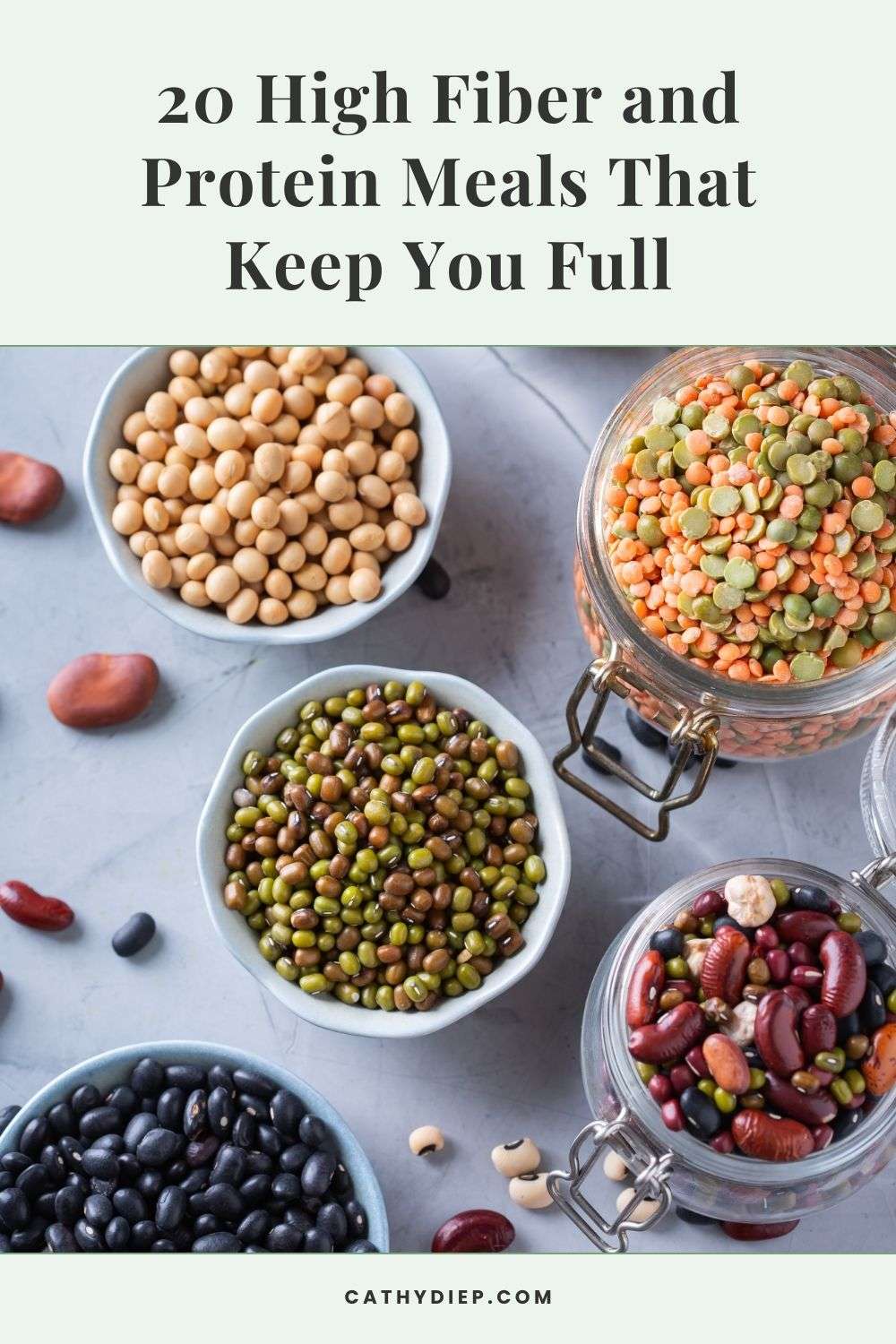
👉 Like this and want to save it for later? Tap the Pinterest Pin button below—it’s an easy way to keep it on hand when you need it.