

Disclosure: This post may contain affiliate links, which means I may earn a small commission at no extra cost to you. I only share products I genuinely love and recommend. This content is also for educational purposes only and is not intended to diagnose, treat, cure, or prevent any illness or disease. Please consult your healthcare provider with any medical concerns or medication questions.
If you’ve ever muttered these words, “Why do they always bite me?!” while frantically scratching a red, itchy lump after just two minutes outside, you’re not alone.
When my husband and I used to live in Texas, he’d be the human buffet at every summer BBQ.
Over time, I’ve figured out a few things about why mosquitoes only bite certain people and how to soothe the itch without slathering on toxic creams or medicated goop.
If you’re looking for quick relief or safe options for kids, this post is for you.
? Before we begin, I’d like to invite you to join our community and download my FREE Natural Quick Relief Toolkit, your go-to guide for soothing common ailments naturally. You can grab that free guide below.

Why Mosquitoes Love Some of Us More
Believe it or not, mosquitoes aren’t just annoying, they’re kind of picky. Here are a few reasons why they may be targeting you:
- You give off more carbon dioxide (higher metabolism or breath rate).
- Your body runs hotter (they sense your heat up to 50 feet away).
- You’re sweaty or recently exercised.
- You’re wearing perfume, scented lotion, or even coconut oil-based products.
- The bacteria on your skin is more appealing to them (yes, really!).
? Tip: Avoid floral perfumes or scented body products if you’re heading outside.
Natural Mosquito Bite Remedies That Soothe the Itch
Here are go-to mosquito bite remedies you can whip up right at home:
1. Baking Soda Paste
This is our go-to remedy! It’s simple, cheap, and has worked wonders on mosquito bites for years.
How to make it:
Mix 1 teaspoon of baking soda with just enough filtered water to form a thick paste.
How to use it:
Apply a generous layer directly onto the bite. Let it dry completely (about 10–15 minutes), then gently brush or rinse it off.
It’s especially great for kids. The paste helps neutralize the itch and provides a natural, alkaline barrier that soothes the skin.
? Tip: Just keep an eye on little ones. Scratching can sometimes make the bite worse if the skin gets broken.
2. Manuka or Wildflower Honey
This one’s a favorite in our house for the next-day itch or when a bite looks a little irritated.
How to use it:
Just dab a tiny bit of Manuka or wildflower honey directly on the bite. Let it dry and do its thing.
We’ve used this many times, especially if a bite looks like it’s been scratched too much or feels a little warm. Honey helps soothe the skin, and Manuka in particular has been shown to have natural antibacterial properties.
3. Essential Oils
The same essential oils that help prevent bites can also take the sting out of existing ones:
- Rose Geranium: One of the top picks for natural mosquito repellent. It’s mentioned as both protective and calming. We’ve found it useful not just as a spray but also diluted and dabbed directly onto bites for relief.
- Lemongrass: This is another dual-purpose oil. It smells great, repels bugs naturally, and can help reduce the irritation when applied (diluted) after a bite. We include it in our homemade sprays and roll-ons.
- Natural Vanilla: You might not think of vanilla as a bug-fighting ingredient, but it’s part of our blend — and it actually helps repel mosquitoes. While it’s not the most powerful soother on its own, we include it for its gentleness and pleasant scent.
- Citronella: classic. Most people know it from candles, but we use citronella essential oil in diffusers and sprays. It’s effective for keeping bugs at bay, and we’ve noticed it helps lessen itchiness post-bite too.
? Tip: All of these should be diluted in a carrier oil (like coconut or jojoba) before applying to the skin. I use them around our home and yard, and on ourselves with great results.
Preventive Tips to Keep Mosquitoes Away
- Use natural essential oil-based repellents
- Be cautious with perfumed or scented products
- Wipe sweat off after exertion outdoors
- Keep good hygiene to manage skin bacteria
Plant Mosquito-Repelling Plants
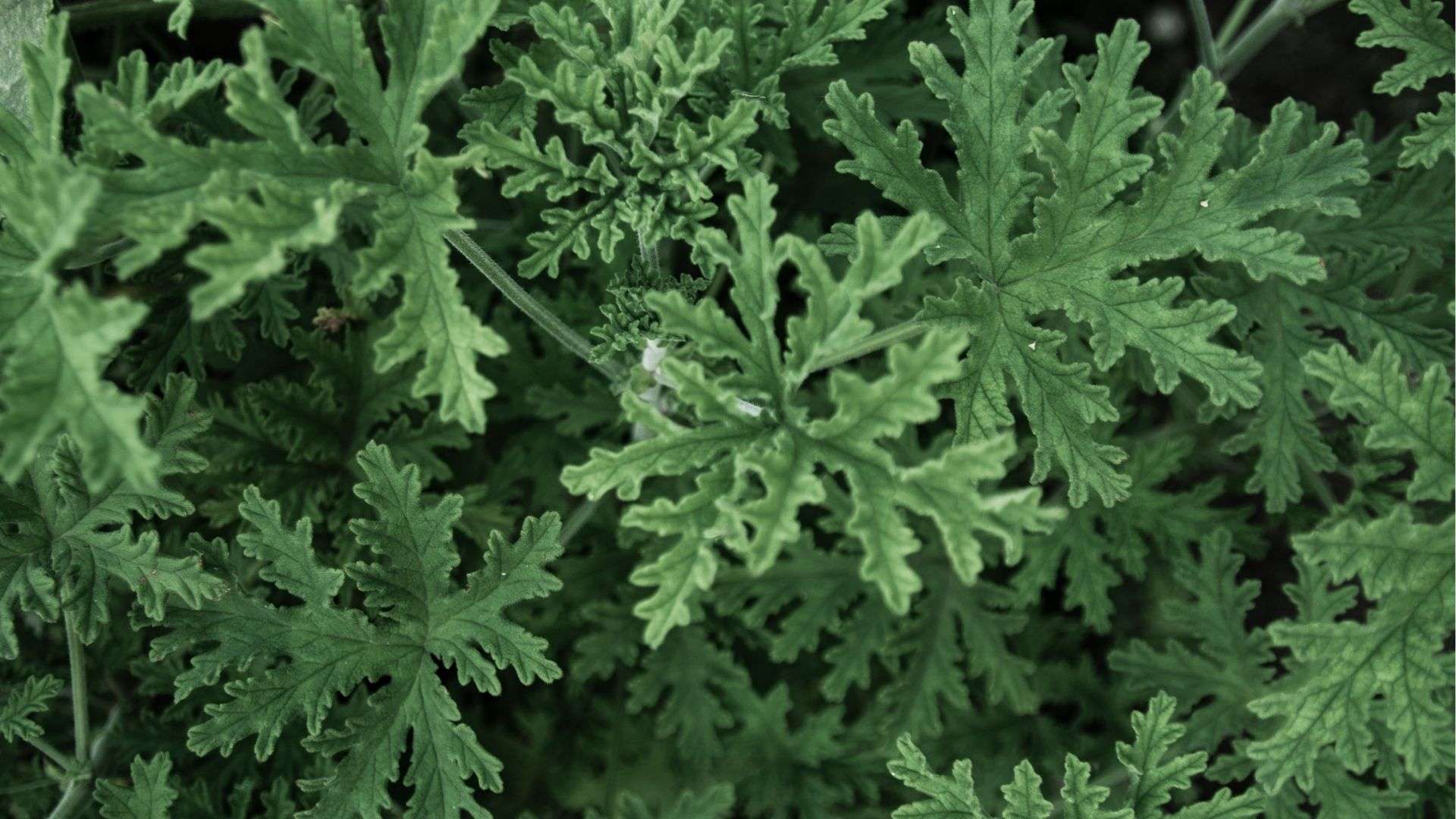
Plant mosquito-repelling plants around your home for natural protection:
- Citronella: The classic mosquito plant. Citronella is a well-known natural repellent. We use citronella in both essential oil blends and planted pots.
- Basil: Double win: it keeps mosquitoes away and tastes great in summer recipes.
- Peppermint: Refreshing for us, unpleasant for mosquitoes. It also grows easily in most climates.
- Rosemary: One of my go-to herbs! It’s great in cooking and helps deter both mosquitoes and ticks.
- Garlic: Not just for flavor. Garlic bulbs has been helpful in repelling bugs from garden areas.
- Lemon balm: I’m not a huge fan of the flavor, but mosquitoes dislike it even more. A natural deterrent that thrives in most gardens.
- Lemongrass: This tall, fragrant grass contains natural citronella compounds. A beautiful and effective plant for patios and borders.
- Lavender: It smells amazing, looks beautiful, and keeps mosquitoes away.
- Neem: An Ayurvedic powerhouse, neem is well known for its pest-repelling properties.
- Marigold: You won’t eat them, but marigolds are famous for keeping bugs away. Use them as natural border plants.
- Catnip: Cats may love it — but mosquitoes don’t. A surprising but effective repellent plant.
- Bergamot: Citrusy and fragrant, bergamot adds beauty and bug-repelling benefits to any planter.
- Eucalyptus: I’m a big fan of eucalyptus! I use this oil regularly in outdoor diffusers.
? Tip: Diffuse essential oils outdoors while entertaining. You can use lavender, eucalyptus, or citronella for bonus benefits.
What to Do If a Mosquito Bite Gets Infected
Sometimes, a bite becomes more than just an itch, especially if your immune system is sensitive.
Watch for signs like:
- Large red or hot areas (3 to 6 inches or more)
- Itch that turns painful or swollen
- Signs of possible cellulitis, like spreading or warmth
Here’s what helps:
- Clean the area gently
- Apply Manuka or wildflower honey to soothe and support the skin
- Boost your immune response with vitamin C, vitamin D, and zinc
- Consider HistPro if you’re someone who tends to get bigger reactions to bites or allergens — it’s helped many with environmental sensitivities
❗ Safety Note: Severe bite reactions can lead to cellulitis that may require antibiotics. While rare, it’s a reminder to take worsening symptoms seriously and consult your doctor if needed.
Quick Recap
✅ Use baking soda paste for fast itch relief
✅ Dab on Manuka or wildflower honey to calm bites
✅ Soothe and repel with essential oils like citronella and rose geranium
✅ Watch for infection and support immunity with vitamin C, D, zinc, and HistPro
✅ Plant mosquito-repelling herbs like basil, lavender, and lemongrass
Final Thoughts
Mosquito bites don’t have to ruin your summer (or your kid’s arms… or your legs…). These natural, home-based remedies have been our family’s go-to. Whether you’re looking for a quick itch fix or want to create a backyard the bugs avoid altogether, I hope something here helps bring you (and your skin) some relief!
Now, I’d love to hear from you! Got a favorite natural mosquito bite remedy I didn’t mention? Drop it in the comments — I’d love to learn what works for you too.
? P.S. Don’t forget to grab my free Natural Quick Relief Toolkit and keep these quick, go-to remedies at your fingertips whenever you need them.
Additional Resources
- 4 Proven Poison Ivy Relief Home Remedies That Actually Work
- How to Protect Your Skin from the Sun Naturally
- How to Prepare for a Detox in 4 Simple Steps (So You Actually Enjoy It!)
- Gut Health 101: Everything You Need to Know

? Like this and want to save it for later? Tap the Pinterest Pin button below—it’s an easy way to keep it on hand when you need it.