

Disclosure: This post may contain affiliate links, which means I may earn a small commission at no extra cost to you. I only share products I genuinely love and recommend. This content is also for educational purposes only and is not intended to diagnose, treat, cure, or prevent any illness or disease. Please consult your healthcare provider with any medical concerns or medication questions.
As we move into the colder months, this is one of the most common topics I see with people. And everyone starts wondering what changed.
One thing that comes up again and again is vitamin D.
Here’s the honest truth: almost everyone is low unless they are getting regular sunlight or supplementing on purpose. Only about 3 out of every 100 people actually have adequate levels without doing something intentional.
That sounds dramatic, but it’s also good news. Because once you know what to look for, vitamin D deficiency is one of the easier things to identify and support.
Your body usually gives warning signs, so let’s walk through the most common ones.
? Before we get started:
Be sure to grab access to my Free Wellness Library. It’s packed with e-books, gut health checklists, food trackers, and practical resources to help you feel better faster. You can get your free access below!

8 Common Signs of Vitamin D Deficiency
1. You Feel Tired Most of the Time
If fatigue is your constant companion, vitamin D is a good place to start.
This can look like:
- Low energy throughout the day
- Brain fog
- Waking up already tired
This shows up even more during the winter months when sunlight exposure drops. Chronic fatigue and that heavy, sluggish feeling can be closely tied to low vitamin D levels.
2. Your Sleep Schedule Feels Off
A lot of people don’t think of vitamin D when it comes to sleep, but it plays a role here too.
Vitamin D affects your thyroid and adrenal glands, which help regulate your daily rhythm.
When vitamin D is adequate, it helps:
- Support energy earlier in the day
- Lower cortisol in the evening
- Increase melatonin so sleep comes more easily
If you feel wired at night, tired during the day, or like your schedule is flipped, vitamin D could be part of the picture.
3. You Have Bone Pain or Deep Aches
Vitamin D is essential for bone health.
Most people think calcium is the main player, and it is important. But calcium needs vitamin D to be absorbed properly. Magnesium and vitamin K also support this process.
When vitamin D is low, bones don’t rebuild the way they should. This can show up as deep aches or discomfort that doesn’t feel muscular and doesn’t go away easily.
4. Your Mood Is Low or Changes With the Seasons
Low mood, depression, and seasonal affective disorder are very commonly linked to low vitamin D.
Many lab ranges list vitamin D levels between 30 and 100 as normal. Levels below 30 are considered deficient.
But levels in the low 30s often do not support mood, immune health, or energy.
The optimal range discussed was:
- 50 to 70
- Up to 80, without going too high
If your mood tends to dip as the seasons change, this is an important area to look at.
Need help remembering vitamin d-rich foods?
That’s why I created a Vitamin D Food Chart Printable. It’s a clean, easy-to-read guide that shows the top whole-food sources of vitamin D per 100 g serving, so you can make confident choices without overthinking it.
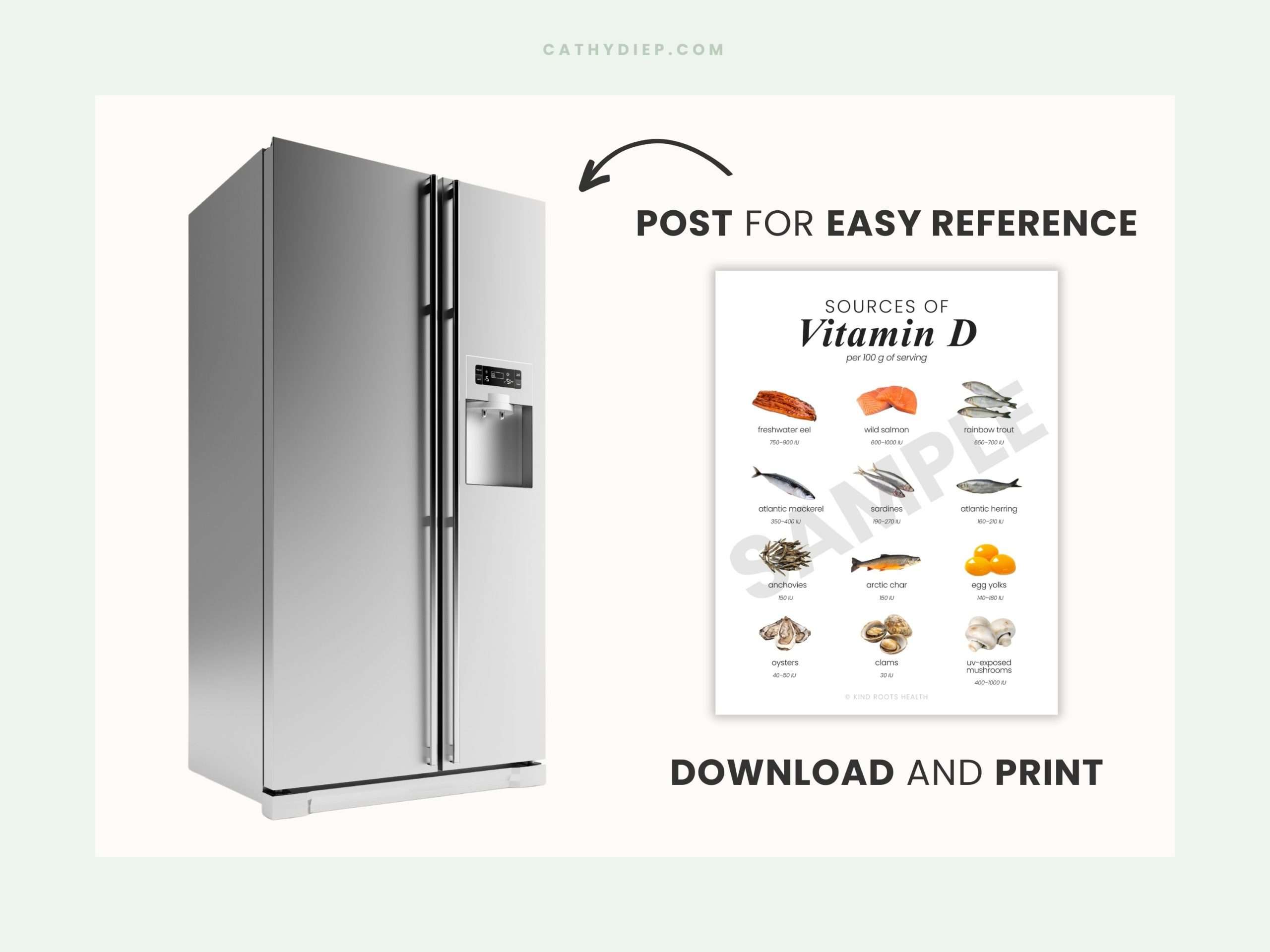
What’s included:
✔ High–vitamin D whole foods clearly listed
✔ Simple, visual layout that’s easy to scan
✔ Perfect for meal planning or grocery trips
✔ Printable or easy to save on your phone or tablet
✔ BONUS: Free meal-planning template included
5. You’re Experiencing Hair Loss
Hair is tissue, just like muscle and bone.
Vitamin D supports tissue formation, including hair. While nutrients like biotin, zinc, and copper often get the spotlight, vitamin D is frequently overlooked when hair thinning or shedding shows up.
If hair loss feels unexplained, vitamin D may be part of what’s going on.
6. Your Muscles Ache or Feel Weak
Muscle aches, pain, and weakness are common signs of low vitamin D.
This can sometimes look like widespread discomfort similar to fibromyalgia. Many people are told their vitamin D levels are fine when they are actually in the low 30s.
Those levels are not optimal.
7. You’re Not Very Hungry Lately
Vitamin D influences metabolic rate, thyroid function, and energy production.
When vitamin D is low, appetite can drop too. This may show up as:
- Low hunger
- Feeling full quickly
- Little interest in food
Low energy and low appetite often go hand in hand.
8. You Get Sick Often or Take Longer to Recover
Vitamin D plays a major role in immune health.
As an adult:
- Getting sick two or three times a year and recovering in a few days is normal
- Getting sick five or six times a year or taking weeks to recover is not
If colds linger or recovery feels slow, vitamin D is one of the first nutrients worth checking.
What Vitamin D Levels Should Actually Be
This part matters.
Many labs list 30 ng/mL as acceptable. That level may help prevent severe bone issues, but it does not mean your body is functioning at its best.
The optimal range discussed was:
- 50 to 70 ng/mL
- Up to 80 ng/mL
Levels like 31, 32, or 37 may be labeled normal, but they are not ideal.
There is a big difference between avoiding disease and supporting overall health.
How Much Vitamin D Do Most People Need?
A general guideline shared was:
- 35 to 36 IU per pound of body weight
For most adults, that comes out to:
- 4,000 to 5,000 IU per day
Conventional recommendations often suggest 2,000 IU per day. That amount usually raises levels just above 30, not into the optimal range.
For children:
- Typically 500 to 1,000 IU per day, depending on weight
The only way to know what you personally need is to test your levels.
The Best Ways to Get Vitamin D
Sunlight
Sunlight is the best source of vitamin D. But most people don’t get consistent, full-body exposure multiple days per week. A little sun on your arms or an occasional beach day is usually not enough.
Supplements
If you supplement, choose vitamin D3, not D2. D2 is often used in fortified foods and does not convert as efficiently.
Food
Foods that contain vitamin D include:
- Fatty fish like salmon, trout, and mackerel
- Sardines with the skin on
- Egg yolks from pastured eggs
- Beef liver
- Cod liver oil
These foods help, but they usually aren’t enough on their own without sunlight.
Why Some People Stay Low Even When Supplementing
Vitamin D absorption and use can be affected by:
- Laxatives
- Cholesterol-lowering medications
- Prednisone
- Weight loss drugs
- Seizure medications
IBS, IBD, Crohn’s, colitis, and gut inflammation can all reduce absorption. Vitamin D also needs cofactors to be properly utilized.
Final Thoughts
If several of these warning signs sound familiar, the next step is simple. Test your vitamin D levels.
Aim for that 50 to 70 range, get sunlight when you can, supplement if needed, and support absorption.
This is one of those foundational issues that can create a noticeable shift when addressed. Sometimes the body just needs the basics done well.
Now, I’d love to hear from you! Which of these warning signs stood out to you most? Let me know in the comments below.
? If you enjoyed this post, find more helpful resources in the Free Wellness Library, including e-books, checklists, trackers, and more!
Additional Resources
- How to Heal When You’re Running on Empty
- How to Fall Asleep Quickly with the 3-2-1 Sleep Method
- 10 Hidden Signs of High Cortisol (And How to Fix It)
- The Best Foods To Eat When You’re Sick and Need Quick Comfort
- Gut Health 101: Everything You Need to Know

? Like this and want to save it for later? Tap the Pinterest Pin button below—it’s an easy way to keep it on hand when you need it.