

Disclosure: This post may contain affiliate links, which means I may earn a small commission at no extra cost to you. I only share products I genuinely love and recommend. This content is also for educational purposes only and is not intended to diagnose, treat, cure, or prevent any illness or disease. Please consult your healthcare provider with any medical concerns or medication questions.
If you’ve ever wondered what goes on inside your body after you stop eating, then you’re in the right place! The truth is, when you give your body a break from eating, something remarkable happens.
Your body goes through five distinct stages every time you fast, each one unlocking new benefits. Each stage opens the door to new benefits, from balancing blood sugar to activating stem cell regeneration.
And the best part is that many of these changes start with something as simple as 12 hours overnight.
That said, fasting isn’t right for everyone. If you struggle with hypoglycemia or adrenal issues, it’s important to take it slow and pay attention to how your body responds.
Now, let’s look at what happens hour by hour, starting with what your body does in just the first 12 hours.
? Before we dive in, make sure to grab access to my Free Wellness Library. It’s packed with e-books, gut health checklists, food trackers, and practical resources to help you feel better faster. You can get your free access below!

The 5 Stages of Fasting Explained
Here is what happens inside your body when you fast from 12 hours to 72 hours.
Stage 1. 12 Hours
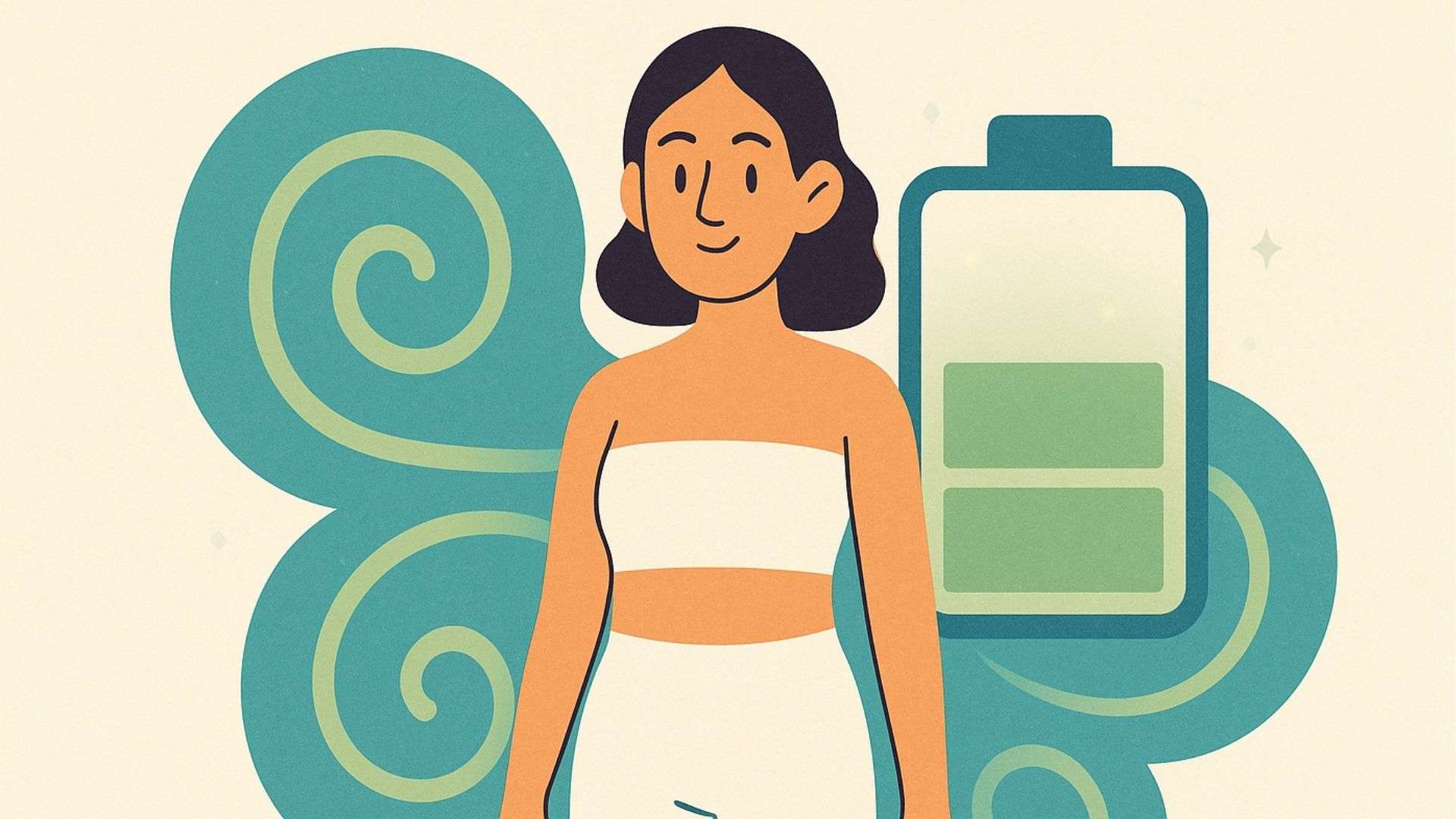
About 12 hours after your last meal, your body has already used up most of the food you ate.
At this point, it starts pulling energy from glycogen, which is basically sugar that your liver has stored away for later use. Think of it as your body’s “backup battery.”
Here’s what’s going on at this stage:
- Your blood sugar may dip a little, but it stays steady because your liver is releasing stored glycogen.
- Your body slowly starts burning fat for fuel.
- A tiny bit of cellular cleanup begins (picture Pac-Man moving around, gobbling up old or damaged cells).
This stage is easy to reach for most people. Just stop eating at 7 pm and don’t eat again until 7 am.
Stage 2. 18 Hours

At around 18 hours, autophagy kicks up a notch. Your body starts sweeping away broken proteins, bacteria, and old cellular waste.
Here’s what else happens:
- Weak mitochondria (your cells’ energy power plants) get broken down.
- Your body lays the groundwork for new, stronger mitochondria (mitochondrial biogenesis).
It’s like a spring-cleaning day for your cells. Out with the old, making space for stronger, healthier energy producers.
Stage 3. 24 Hours
At the 24-hour mark, autophagy is now in full swing.
- AMPK (the breakdown mode) rises, while mTOR (the build-up mode) decreases.
- Damaged proteins, including misfolded ones linked to Alzheimer’s, are cleared out.
- If you pair fasting with light exercise, autophagy and mitochondrial renewal ramp up even further.
For most people, this is a doable weekly reset. You finish dinner Sunday night and don’t eat again until Monday night.
? Enjoying this post? Find more helpful resources in the Free Wellness Library, including e-books, checklists, trackers, and more!
Step 4. 48 Hours
By two full days, your body has burned through all its glycogen stores and is now running mainly on ketones (fuel made from fat).
What you’ll see at this stage:
- Insulin levels reach their lowest point.
- Ketones rise, fueling your brain and reducing inflammation.
- Growth hormone spikes, protecting your muscles while your body burns fat.
Some people feel the “keto flu” (grogginess, headaches, brain fog) as the body transitions. If you can push through, the energy clarity and fat-burning benefits start to kick in.
Step 5. 72 Hours

By day three, your body knows food isn’t coming soon. So, it switches gears to preserve your muscle and metabolism.
Here’s what happens:
- mTOR activity rises again to prevent excessive muscle loss.
- Hunger hormone ghrelin drops, so surprisingly, you feel less hungry.
- Your body activates stem cell regeneration, rejuvenating tissues, organs, and even your immune system.
This stage is often described as hitting the “reset button” for your body. But because it’s so intense, it’s best done quarterly or under medical supervision.
Quick Recap
✅ 12 hours: Glycogen dips, fat use begins, light autophagy.
✅ 18 hours: Cellular cleanup, weak mitochondria cleared.
✅ 24 hours: Full autophagy, disease-linked proteins removed.
✅ 48 hours: Ketones surge, insulin drops, growth hormone spikes.
✅ 72 hours: Muscle preserved, hunger fades, stem cells regenerate.
Final Thoughts
From the first 12 hours all the way to a full 72-hour reset, each stage of fasting activates powerful processes that support energy, longevity, fat-burning, and deep cellular renewal.
Start small with a 12-hour overnight fast, try a weekly 24-hour reset, and only then consider moving on to the deeper stages.
Remember, your body already knows how to heal itself, and fasting simply gives it the time and space to do so.
Now, I’d love to hear from you! Could you make it past that first 18 or 24-hour mark? What might you notice in your own body? Let me know in the comments below.
Additional Resources
- 10 Proven Health Benefits of Intermittent Fasting You Should Know
- How to Do Intermittent Fasting in 24 Hours (Without Feeling Miserable)
- Why 4:3 Intermittent Fasting Works Better Than Dieting
- Why Skipping Dinner Works Better on a 16:8 Fasting Plan
- The Best 16:8 Intermittent Fasting Schedule (Hint: It’s Not 12–8)

? Like this and want to save it for later? Tap the Pinterest Pin button below—it’s an easy way to keep it on hand when you need it.