
Disclosure: This post may contain affiliate links, which means I may earn a small commission at no extra cost to you. I only share products I genuinely love and recommend. This content is also for educational purposes only and is not intended to diagnose, treat, cure, or prevent any illness or disease. Please consult your healthcare provider with any medical concerns or medication questions.
If you’re following a 16:8 intermittent fasting routine, chances are you’re skipping breakfast and eating between noon and 8 PM. It’s what most people do, and on the surface, it makes sense.
But… what if I told you most people are doing it all wrong?
The issue is that most people are not working with how the human body was designed to eat, digest, and rest. And that, my friend, might be the very thing holding you back from getting the results you want.
Let’s talk about why skipping dinner instead of breakfast might be the shift your routine needs.
👉 Before we dive in, quick heads-up:
If you love having supportive resources at your fingertips, I’ve put together a Free Wellness Library just for you. It’s packed with meal planners, checklists, gut-friendly tips, and simple wellness guides. Grab it below!

The Most Common 16:8 Mistake
Most people using the 16:8 intermittent fasting plan skip breakfast and keep dinner.
Why? Well, it’s just easier!
Dinner’s when we’re home, relaxed, surrounded by family or friends.
Breakfast? That’s optional, right?
Not quite.
When you skip breakfast and eat later into the night, you’re eating at a time when your body is winding down, not revving up.
That late meal, even if it’s healthy, lands in your system when digestion is naturally slowing, and your body is trying to prepare for rest.
Flip the script, though, and skip dinner, and the results can be surprisingly powerful. You’ll support digestion, sleep, and recovery in a way that better aligns with how your body functions.
What Ayurveda Says About Meal Timing
In Ayurvedic medicine, which has been practiced for over 6,000 years, it’s long been known that eating earlier in the day and stopping before 6 PM leads to better health outcomes.
Ayurveda teaches that:
- The digestive system is strongest earlier in the day
- Eating late increases inflammation and disrupts sleep
- Meal timing should sync with the sun’s cycle and natural hormone flow
In a nutshell, it’s all about living in rhythm with your body and the world around you.
How Meal Timing Impacts Cortisol, Digestion, and Sleep
Throughout the day, your cortisol (aka: your stress hormone) follows a natural pattern. It rises in the morning when you wake up (this helps you feel alert), then steadily drops throughout the day. By bedtime, it’s supposed to be low, letting melatonin (your sleep hormone) take over.
But when you eat late, especially around or after 8 PM, you raise your cortisol when it should be dropping.
That means:
- Trouble falling asleep
- Racing thoughts
- Poor REM and deep sleep
- Less recovery overnight
So, instead of keeping dinner and skipping breakfast, the better option might be to keep breakfast and lunch, then stop eating in the late afternoon. This helps your hormones do what they’re designed to do and leads to better sleep, digestion, and fat loss.
👉 Side note: Looking for simple tools to support your digestion? My Free Wellness Library is full of meal planners, gut guides, and daily trackers. You can get free access below!
How to Structure a 16:8 Meal Plan Without Dinner
Here’s how a more aligned 16:8 schedule could look:
Instead of:
Fasting from 8 PM to 12 PM (eating from 12 PM to 8 PM)
Try:
Fasting from 4 PM to 8 AM (eating from 8 AM to 4 PM)
You still fast for 16 hours and eat within an 8-hour window, but your meals now match your natural hormone cycle.
This change might sound hard at first, but even doing it a few days a week can make a huge difference.
👉 Want more tips on timing your meals right? Check out my post on The Best 16:8 Intermittent Fasting Schedule for more ideas on when to eat for better energy and weight loss.
Sample Early-Eating Meal Plan (16:8)
Here’s a simple outline to help visualize it:
- 8:00 AM – Breakfast
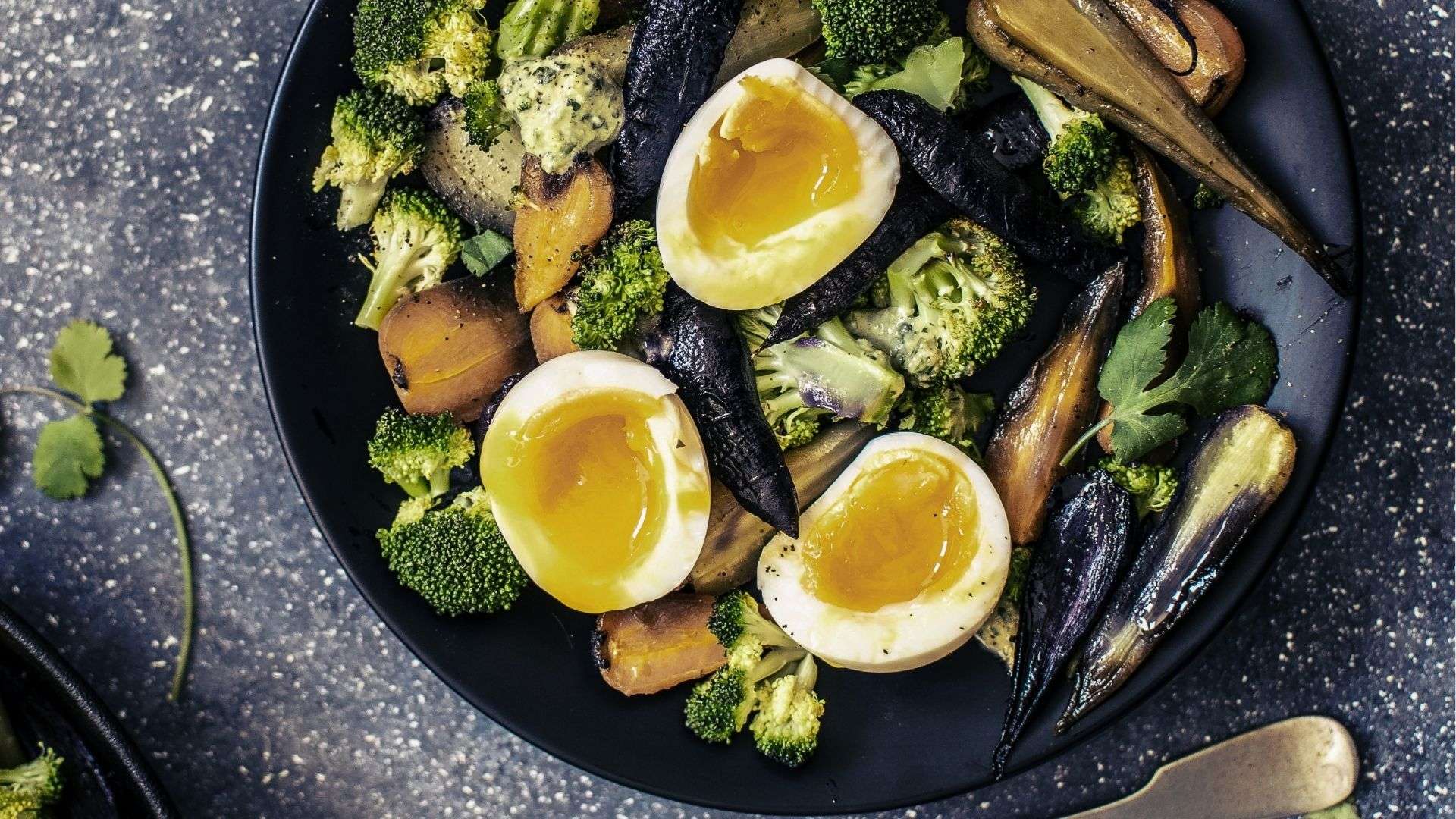
Eggs with veggies, a protein smoothie, or oatmeal with nuts and seeds. - 12:30 PM – Lunch
A hearty salad with protein and healthy fats, or a grain bowl with fish and veggies. - After 4:00 PM – Just hydration
Sip on herbal tea, lemon water, or plain water. Let your body wind down.
Final Thoughts
Skipping dinner might not be the norm, and sure, it’s not always easy, especially when dinner is such a social part of the day. But if your goal is better sleep, stronger digestion, and more noticeable results from your intermittent fasting routine, shifting your eating window earlier could be a game-changer.
Now, I’d love to hear from you! Have you ever tried skipping dinner instead of breakfast? How did it go, or what’s holding you back from trying it? Let me know in the comments. I’d love to hear your experience.
💢 Still dealing with bloating, fatigue, or inflammation, no matter what you try?
If you’ve been chasing symptoms and nothing seems to stick, it’s time to look deeper. I’d love to help you uncover the root cause of your digestive + hormone issues so you can finally get the answers you’ve been looking for.
👉 To get started, learn how private coaching and functional lab testing can help you.
Additional Resources
- How to Reduce Hunger Using “The Second Meal Effect”
- The Best Diet Plan for Weight Loss and Diabetes
- 5 Powerful Foods That Act Like Ozempic—Naturally
- 7 Proven Benefits of Apple Cider Vinegar (and How to Use It Safely)
- How to Lower Blood Sugar Naturally (Without Eating Less)

👉 Like this and want to save it for later? Tap the Pinterest Pin button below—it’s an easy way to keep it on hand when you need it.