

Disclosure: This post may contain affiliate links, which means I may earn a small commission at no extra cost to you. I only share products I genuinely love and recommend. This content is also for educational purposes only and is not intended to diagnose, treat, cure, or prevent any illness or disease. Please consult your healthcare provider with any medical concerns or medication questions.
It’s a question that comes up all the time: Should you snack between meals, or stick to just breakfast, lunch, and dinner?
Some health experts recommend eating small meals throughout the day, while others say fewer meals are better for your digestion and waistline.
So what’s the truth?
In this post, we’ll look at what functional medicine says about snacking, including when it can be helpful, when it might hold you back, and how to figure out the right balance for your body.
? Before we dive in, make sure to grab access to my Free Wellness Library. It’s packed with e-books, gut health checklists, food trackers, and practical resources to help you feel better faster. You can get your free access below!

Why Snacking Feels Necessary
If you’ve ever lived on the Standard American Diet (cereal or a muffin for breakfast, a sandwich for lunch, maybe chips or cookies in the afternoon, and takeout for dinner), then you know how unpredictable energy and cravings can be.
But if you’re consuming lots of processed carbs, sugar, caffeine, and erratic meals, it sets you up to need snacks to survive the day.
Blood sugar spikes, crashes, and cravings make it feel impossible to go very long without food.
But what if the problem isn’t you…What if it’s the plan?
That’s why, in the beginning, snacks can actually be part of the solution rather than the problem.
The Starting Point: Snacks Can Help (At First)
When people first begin a structured nutrition plan, the day usually looks like this:
- Breakfast
- Mid-morning snack
- Lunch
- Mid-afternoon snack
- Dinner
That’s five eating times a day. Why so many?
In the beginning, this rhythm helps to:
- Keep blood sugar stable
- Boost metabolism
- Train the body to expect food regularly (instead of storing fat “just in case”)
- Encourage smaller portions so you don’t feel the need to overeat
The only snack that’s off-limits is before bed.
Unless someone is trying to gain weight or has rare blood sugar dips at night, eating before sleep usually disrupts digestion and recovery.
Transitioning From 5 to 4 Meals
Once blood sugar is balanced and eating patterns are more consistent, the plan often shifts.
Instead of five eating times, many people thrive on four:
- Morning smoothie (I love using my Daily Nutritional Support powder in my smoothies!)
- Lunch
- Mid-afternoon snack
- Dinner
The smoothie (when paired with the Daily Nutritional Support powder) is a big deal, and because it’s blended, it’s super easy to digest (out of your stomach in about an hour) and still gives you all your essentials, such as protein, vitamins, minerals, fruit, and greens.
Why does this matter? Because digestion takes up to 30% of your daily energy. By giving your body a lighter start in the morning, you keep more energy for mental clarity, focus, and overall well-being.
As your body adapts to this new rhythm, you may notice you need fewer snacks to feel satisfied.
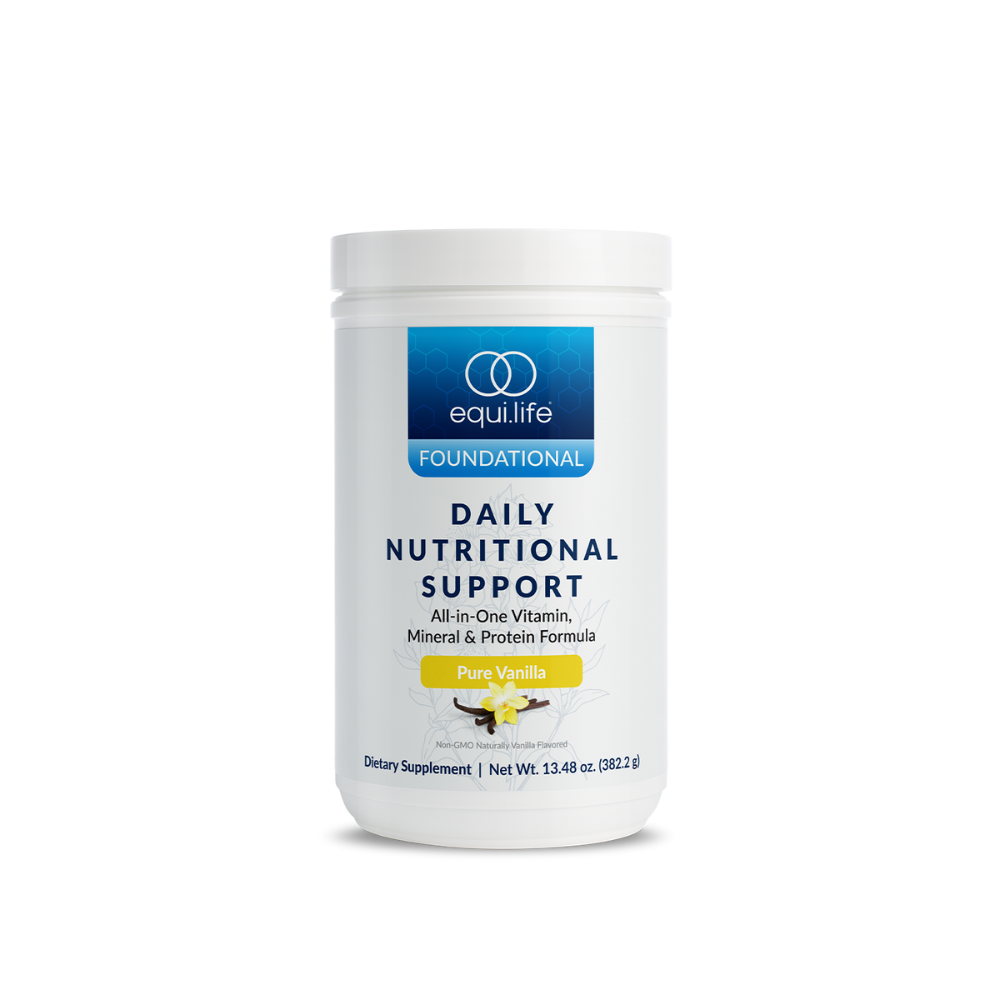
EquiLife Daily Nutritional Support
A complete daily routine with all-in-one vitamin, minerals and protein powder.
Less Snacking, More Digestive Rest
Over time, some people may find they don’t even need that mid-afternoon snack. On lighter days or when you’re not super active, three meals can feel just right.
Here’s why this can be powerful:
- More fat burning: After you eat, blood sugar rises for 2–3 hours. Fat burning is basically “paused.” But if you stretch the time between meals, your body taps into fat stores again.
- Lower inflammation: As your body gets into rhythm, inflammation naturally decreases.
- More energy: Less time spent digesting heavy meals = more energy for you.
- Longevity benefits: Going longer between meals supports natural detox and repair processes.
It’s about slowly teaching your body that it can thrive on fewer, more balanced meals.
? By the way, if you’re loving this, don’t forget the Free Wellness Library has even more resources, like checklists and food trackers, that pair perfectly with these tips.
So…Should You Snack Between Meals?
The honest answer? It depends.
- In the beginning, yes, three meals + 2 snacks.
- As you get healthier and more balanced, you can transition to 3–4 meals.
- In the long term, find your sweet spot. Some days you’ll need that mid-afternoon smoothie, other days you won’t.
Remember to always be tuning into your body and noticing how you feel. Snacks aren’t necessarily “bad”. They’re a tool to help you get to a place where you don’t rely on them as much.
Final Thoughts
Snacking between meals isn’t “good” or “bad” on its own. In the beginning, snacks can help stabilize blood sugar and break old habits.
Over time, though, your body often feels best with fewer eating times and longer breaks for digestion, energy, and fat burning.
Start structured, then gradually give your body more space between meals as it’s ready. That’s when you’ll likely notice steadier energy, less inflammation, and a metabolism that finally feels on your side.
Now, I’d love to hear from you! Do you feel better when you snack between meals, or when you give your digestion longer breaks? Share you experience in the comments below.
Additional Resources
- 10 Proven Health Benefits of Intermittent Fasting You Should Know
- How to Transform Your Body in Just 72 Hours (Fasting Timeline Explained)
- The Best 10 Low-Glycemic Fruits and Vegetables for Diabetes
- How to Reduce Hunger Using “The Second Meal Effect”
- How to Lower Blood Sugar Naturally (Without Eating Less)

? Like this and want to save it for later? Tap the Pinterest Pin button below—it’s an easy way to keep it on hand when you need it.