
Disclosure: This post may contain affiliate links, which means I may earn a small commission at no extra cost to you. I only share products I genuinely love and recommend. This content is also for educational purposes only and is not intended to diagnose, treat, cure, or prevent any illness or disease. Please consult your healthcare provider with any medical concerns or medication questions.
If you’ve been using intermittent fasting, chances are you’ve heard the word autophagy tossed around too. It’s often mentioned in the same breath, almost like they’re the same thing. And while fasting and autophagy are closely connected, they’re not identical.
Knowing when your body enters autophagy, how it works, and what actually triggers it can help you make smarter choices and see better results, without pushing your body too far or skipping meals unnecessarily.
In this post, I’ll be going over what intermittent fasting does, what autophagy really is, and how you can support both (even if you’re not doing long fasts).
? Before we dive in, make sure to grab access to my Free Wellness Library. It’s packed with e-books, gut health checklists, food trackers, and practical resources to help you feel better faster. You can get your free access below!

What Is Intermittent Fasting?
Intermittent fasting is a break from food, and that usually means going 12 to 16 hours without eating. Some people go longer, like 18, even 24 hours, but for most of us, 12 to 16 hours is a manageable place to start.
Example:
- Stop eating at 6:00 PM → Eat again at 8:00 AM = 14-hour fast
- Or 8:00 PM to 10:00 AM = 14 hours
Benefits of intermittent fasting:
- Supports healthy weight loss
- Helps balance blood sugar
- Reduces inflammation
- Improves mental clarity
- May improve cardiovascular health (in moderation)
? Good to Know: Fasting is a form of stress on the body. While it’s helpful short-term, too much (like skipping breakfast every single day for years) can backfire, especially as we get older. Some studies now show skipping breakfast daily long-term may increase all-cause mortality, particularly from cardiovascular disease.1
My tip? Customize your fasting window. I do 12 hours (from 5:00 PM to 5:00 AM) because that works for my body. Yours might be different, and that’s totally okay!
What Is Autophagy?
Autophagy is a natural process your body uses to clean house. Literally.
- Your body breaks down old, damaged cells and recycles them for fuel.
- It gets rid of things like aging white blood cells, viruses, and cellular waste.
- This results in a healthier, younger, more efficient body.
Benefits of autophagy:
- Reduces inflammation
- Supports longevity
- Boosts immunity
- Helps remove cancerous or pre-cancerous cells
- Improves metabolic function
Autophagy naturally ramps up when your body senses low fuel, like during fasting or when you’re eating fewer calories.
But it doesn’t only happen during fasting.
Now that you know what each process does, let’s look at how they connect and why they’re not the same thing.
? Enjoying this post? Find more helpful resources in the Free Wellness Library, including e-books, checklists, trackers, and more!
How Intermittent Fasting and Autophagy Work Together
So, yes, fasting can lead to autophagy. But they’re not interchangeable.
Fasting is the trigger (one of many), and autophagy is the process your body enters when certain conditions are met.
- Autophagy typically kicks in around 18–24 hours into a fast
- It peaks somewhere between 48–72 hours
- BUT! Even short fasts can support some autophagy, especially if you’re an ectomorph or have a faster metabolism
- Your body actually enters a baseline level of autophagy every night (especially if you stop eating a few hours before bed)
This is where things get exciting, because you can encourage autophagy without fasting for days on end.
How to Boost Autophagy Without Long Fasting Periods
You don’t have to fast for 3 days straight to support autophagy (thank goodness). You just need to create the right environment in your body.
Here are a few things that can promote autophagy, even when you’re eating:
- Plant-based foods in the morning
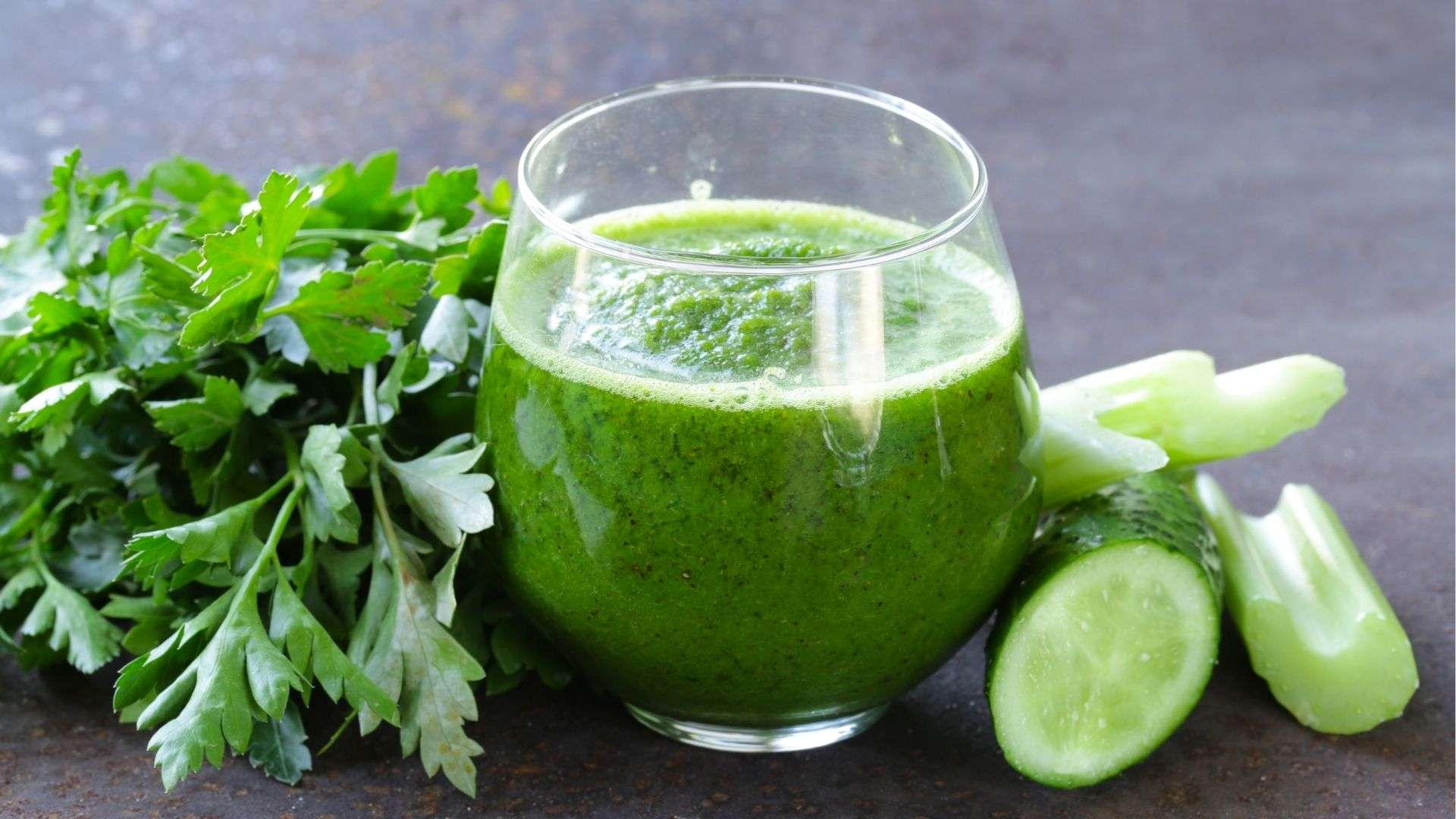
- Green juices
- Berries (especially low-glycemic ones)
- Coffee or green tea
- Certain fats (like olive oil)
These foods have only a small effect on something in your body called mTOR (short for “mechanistic target of rapamycin”).
Think of mTOR like a switch: when it’s turned on, your body focuses on building and storing — repairing muscle, storing nutrients, and creating new cells.
That’s useful at certain times, but it also means your body takes a break from autophagy, the process of cleaning up and recycling.
When mTOR stays low, your body keeps cleaning house through autophagy. That’s why plant-based foods like green juice, berries, or even coffee can be helpful.
Best Times to Fast and Eat for Longevity and Cellular Health
So how do you use this info in real life? Here’s a simple strategy:
- Start with a light fast (12–14 hours)
Find the sweet spot that works for you. - Have a light, plant-based breakfast
Smoothie, fruit, and green juice work. This keeps autophagy going. - Eat protein at lunch or dinner
Your body is ready for mTOR and building mode later in the day - Every quarter, consider a deeper reset
A 7-day detox (like the EquiLife Functional Medicine Detox) gives you up to 72 hours of deeper autophagy, which is perfect for a seasonal clean-up
Related:
How to Lose 5 Pounds in a Week with the Dr. Cabral Detox
Quick Recap
✅ Intermittent fasting is not eating for 12–16+ hours
✅ Autophagy is cellular cleanup that can be triggered by fasting
✅ You don’t need to fast for days to benefit from autophagy
✅ You can eat and still stay in autophagy if you eat the right foods
✅ Fasting and autophagy are tools, not rules
Final Thoughts
Fasting and autophagy work hand in hand, but they’re not the same thing. Once you understand the difference between the two, you can mix and match the strategies that fit your lifestyle.
By giving your body the time to “clean house” and the nourishment to rebuild, you’re setting the stage for repair, renewal, and long-term vitality.
Now, I’d love to hear from you! Have you found a fasting style or autophagy-friendly habit that works best for your body and your lifestyle? I’d love to hear your approach in the comments below.
Additional Resources
Looking to dive deeper into fasting, meal timing, or how to get better results with less restriction? Here are some reader favorites to guide your next step:
- How to Do Intermittent Fasting in 24 Hours (Without Feeling Miserable)
- Why 4:3 Intermittent Fasting Works Better Than Dieting
- Why Skipping Dinner Works Better on a 16:8 Fasting Plan
- The Best 16:8 Intermittent Fasting Schedule (Hint: It’s Not 12–8)
Footnote:
? Like this and want to save it for later? Tap the Pinterest Pin button below—it’s an easy way to keep it on hand when you need it.