
Disclosure: This post may contain affiliate links, which means I may earn a small commission at no extra cost to you. I only share products I genuinely love and recommend. This content is also for educational purposes only and is not intended to diagnose, treat, cure, or prevent any illness or disease. Please consult your healthcare provider with any medical concerns or medication questions.
If you’re here, there’s a good chance you’re on a GLP-1 medication like Ozempic, Wegovy, or Mounjaro. Or maybe you’re about to start and feeling unsure about food.
GLP-1 medications reduce appetite and slow digestion. That can be incredibly helpful, but it can also feel confusing at first.
Suddenly you’re full after a few bites. Foods you used to tolerate don’t sit the same. And the old advice to just track calories doesn’t make much sense anymore. So in this post, you’ll learn how to eat in a way that works with your medication.
? Before we get started:
Be sure to grab access to my Free Wellness Library. It’s packed with e-books, gut health checklists, food trackers, and practical resources to help you feel better faster. You can get your free access below!

Why Eating Feels Different on GLP-1 Medications
GLP-1 medications slow how quickly food leaves your stomach and increase feelings of fullness. This is part of how they help regulate blood sugar and reduce overeating.
But it also means:
- You may feel full very quickly
- Large meals may feel uncomfortable
- Heavy or greasy foods may trigger nausea
- Skipping meals can happen without you meaning to
Your body is responding to the medication. The goal is to eat enough of the right things.
Why Nutrient-Dense Meals Matter More Than Calories
When appetite is reduced, calorie counting becomes less helpful and sometimes harmful.
Here’s what matters most on GLP-1:
- Protein to protect muscle and metabolism
- Fiber to support digestion and blood sugar
- Micronutrients to prevent fatigue and nutrient gaps
- Balanced meals to avoid crashes and side effects
If you’re unsure which foods are easiest to tolerate right now, this guide to high-protein foods can help you build simple meals.
The Simple GLP-1 Plate Method
Use smaller portions if your appetite is low. You can always eat more later.
- ½ plate non-starchy vegetables
- ¼ plate protein
- ¼ plate carbs or healthy fats
This balanced plate approach is especially helpful if you’re working through insulin resistance, which is common for many people using GLP-1 medications.
Tips that help:
- Start with protein first
- Choose cooked vegetables if digestion feels sensitive
- Eat slowly and stop when comfortably full
3-Day GLP-1 Meal Plan for Beginners
This meal plan is designed to be:
- Easy to digest
- Simple to prepare
- Flexible for low appetite
- Supportive of stable energy
Portions can be small. Snacks are optional.
Day 1 GLP-1 Meal Plan
Breakfast

- Scrambled eggs or egg whites
- Sautéed spinach
- A few bites of avocado if tolerated
Lunch
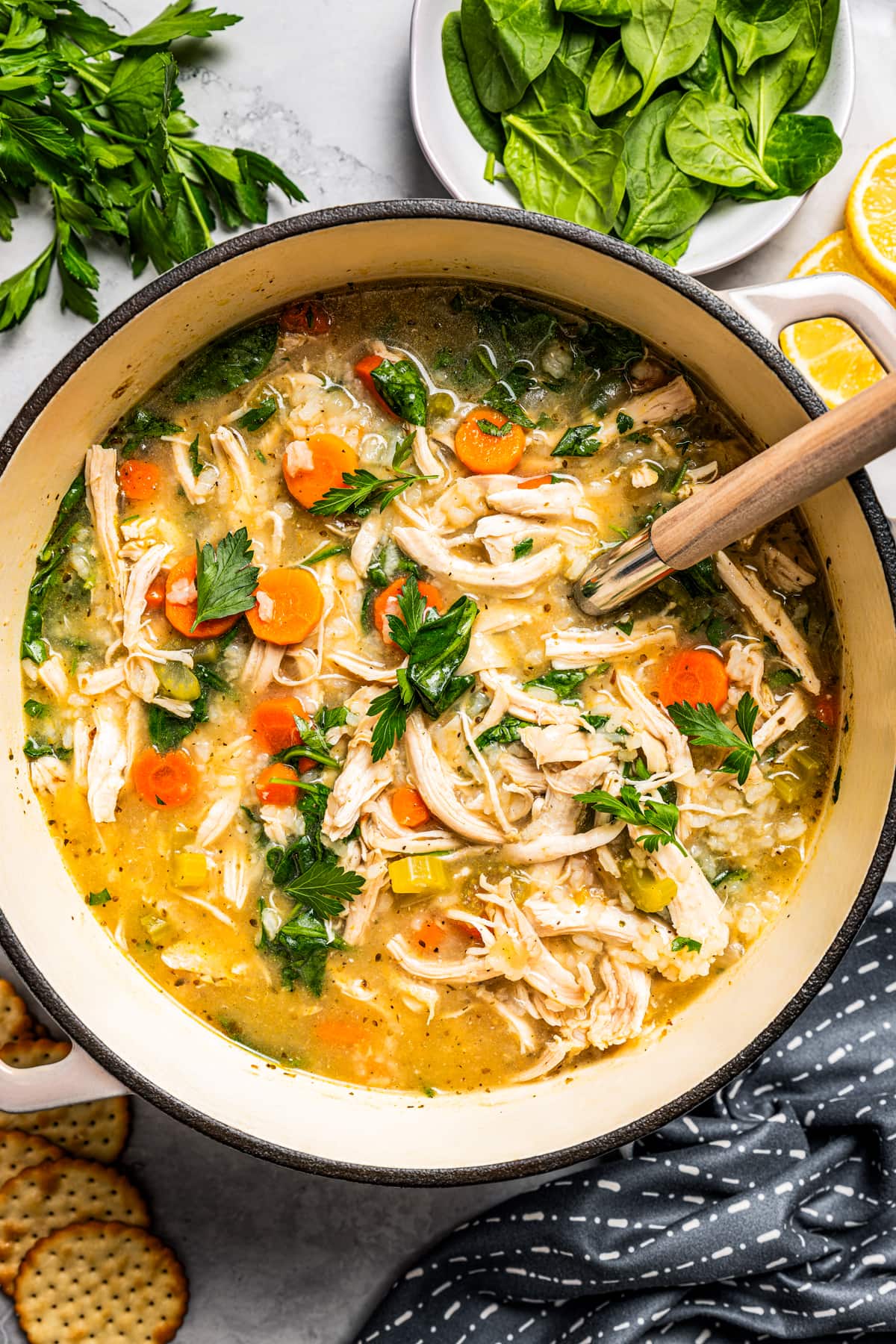
- Chicken and vegetable soup
- Shredded chicken
- Carrots, zucchini, celery
- Bone broth or low-sodium broth
Dinner

- Baked salmon
- Roasted zucchini or green beans
- Small portion of rice or sweet potato
Optional snack
- Greek yogurt or cottage cheese
- Or a protein shake if solids feel heavy
Day 2 GLP-1 Meal Plan
Breakfast

- Greek yogurt
- Berries
- Sprinkle of chia seeds
Lunch

- Turkey and avocado sourdough sandwich
- Sliced turkey (not the deli meat)
- Cucumber or roasted vegetables
- Olive oil drizzle
Dinner

- Ground turkey or tofu
- Soft-cooked vegetables
- Small portion of quinoa
Optional snack
- Hard-boiled egg
- Or a small handful of almonds if tolerated
Day 3 GLP-1 Meal Plan
Breakfast
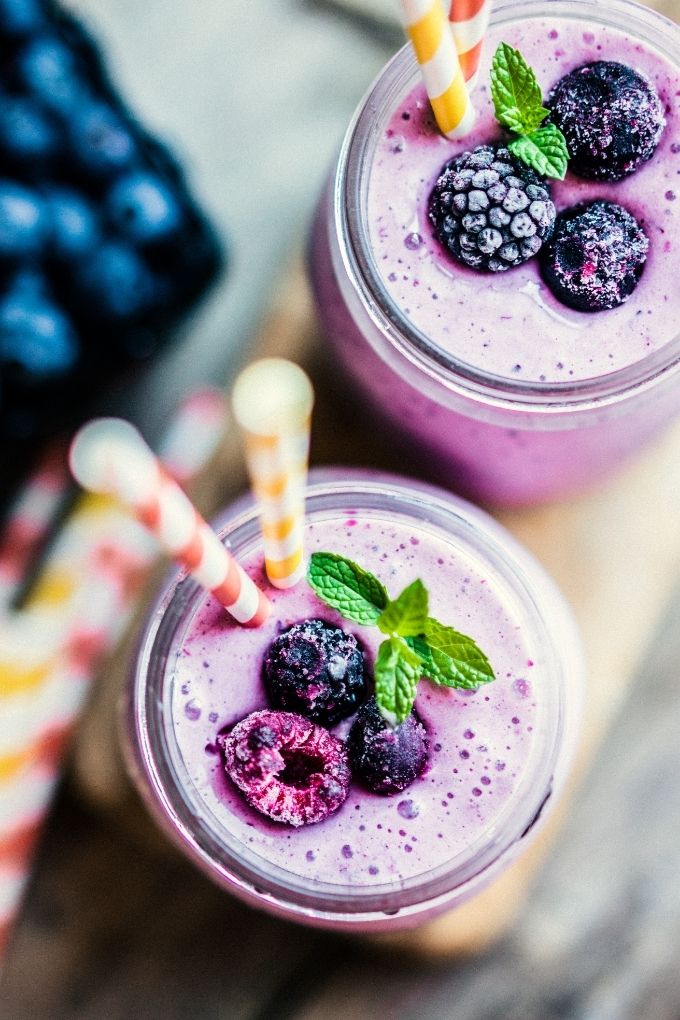
- Protein smoothie
- Protein powder (I highly recommend EquiLife’s Daily Nutritional Support)
- Frozen berries
- Spinach
- Water or almond milk
Lunch
- Leftover chicken or salmon
- Steamed vegetables
- Olive oil or lemon
Dinner

- Slow-cooked chicken or lentils
- Mashed sweet potato
- Cooked greens
Optional snack
- Cottage cheese
- Or warm broth if appetite is very low
If you want more simple meal ideas to rotate in after these three days, these high-protein dinners for weight loss fit well with reduced appetite and stable energy.
How to Prevent Muscle Loss on GLP-1
Rapid weight loss without enough protein can lead to muscle loss. Muscle supports metabolism, strength, and long-term health.
To protect it:
- Include protein at every meal
- Use soft, easy-to-digest protein if nausea is present
- Do light strength training if possible
How to Avoid Under-Eating on GLP-1
Under-eating can sneak up quickly when appetite is low.
Signs you may need more support:
- Feeling weak or dizzy
- Very rapid weight loss
- Skipping meals without meaning to
- Low energy or brain fog
Soups, smoothies, protein shakes, and soft foods all count.
Tips to Reduce Nausea and Digestive Side Effects
If digestion feels off, try:
- Smaller meals more often
- Avoiding very greasy foods
- Choosing cooked vegetables
- Eating slowly
- Sipping fluids between meals, not during
Hydration is especially important. Dehydration can make nausea and fatigue worse.
Long-Term Habits That Support Metabolic Health
Medications can help regulate appetite and blood sugar in the short term, but healthy habits support long-term health.
Focus on:
- Regular meals
- Protein consistency
- Gentle movement
- Stress regulation
- Gut support
If you’re interested in gentle ways to support your body beyond food, check out this guide on how to support GLP-1 naturally.
Quick Recap
✅ GLP-1 medications reduce appetite and slow digestion
✅ Calorie tracking isn’t needed when appetite is low
✅ Protein, fiber, and hydration matter most
✅ Smaller, balanced meals support energy and digestion
✅ Consistent eating helps protect muscle
✅ Liquids and soft foods count
✅ Medications help, but healthy habits support long-term health
Final Thoughts
Eating on a GLP-1 medication can feel unfamiliar at first, and that’s completely normal. Your appetite, digestion, and hunger cues are changing, and it takes time to learn what your body needs in this new season.
What matters most is staying nourished, listening to your body, and building habits that support your health beyond the medication itself.
Now I’d love to hear from you! What has felt most challenging about eating since starting a GLP-1 medication? Let me know in the comments below.
? Still dealing with bloating, fatigue, or inflammation, no matter what you try?
If you’ve been chasing symptoms and nothing seems to stick, it’s time to look deeper. I’d love to help you uncover the root cause of your digestive + hormone issues so you can finally get the answers you’ve been looking for.
? To get started, learn how private coaching and functional lab testing can help you.
Additional Resources
- How to Support GLP-1 Naturally Without the Common Side Effects
- 5 Hidden Ozempic Side Effects You Need to Know
- 20 High-Protein Anti-Inflammatory Meals You’ll Love (Low-Carb Too!)
- 25 High-Protein Dinners for Weight Loss That Actually Satisfy
- The 3 Real Reasons for Insulin Resistance

? Like this and want to save it for later? Tap the Pinterest Pin button below—it’s an easy way to keep it on hand when you need it.