
Disclosure: This post may contain affiliate links, which means I may earn a small commission at no extra cost to you. I only share products I genuinely love and recommend. This content is also for educational purposes only and is not intended to diagnose, treat, cure, or prevent any illness or disease. Please consult your healthcare provider with any medical concerns or medication questions.
If you’ve ever stared at the fruit and veggie section wondering, “Okay… which of these won’t send my blood sugar on a wild ride?”, you’re not alone. When I was prediabetic, I spent so much time trying to figure out which foods would keep my blood sugar steady. I’d choose something I thought was “healthy,” only to find out later it was causing a big glucose spike.
That’s where the glycemic index (GI) comes in. It’s basically a cheat sheet that ranks how quickly a food affects your blood sugar. The lower the GI, the slower the rise, which is exactly what we want, especially if you’re managing diabetes.
So today, I’m sharing 10 low glycemic fruits and vegetables (all with a GI of 55 or less) that not only help keep blood sugar steady but also pack in vitamins, minerals, and fiber.
? Before we dive in, make sure to grab access to my Free Wellness Library. It’s packed with e-books, gut health checklists, food trackers, and practical resources to help you feel better faster. You can get your free access below!

Why Low Glycemic Fruits and Vegetables Matter
The glycemic index ranks how quickly foods raise your blood sugar. Lower numbers mean a gentler impact, less of that spike-crash cycle we all want to avoid.
For people with diabetes, low-GI produce can be a game-changer:
- Slower digestion thanks to fiber
- Steadier glucose levels throughout the day
- Nutrient-packed goodness (vitamins, minerals, antioxidants)
When I started swapping high-GI foods for lower-GI ones, I noticed my energy stayed steady throughout the day and I wasn’t crashing mid-afternoon. It made managing my blood sugar so much easier.
⚡ If you want to go a step further, this eating plan for weight loss and diabetes can help you build balanced meals around low-GI foods.
10 Best Low Glycemic Fruits & Vegetables
1. Leafy Greens
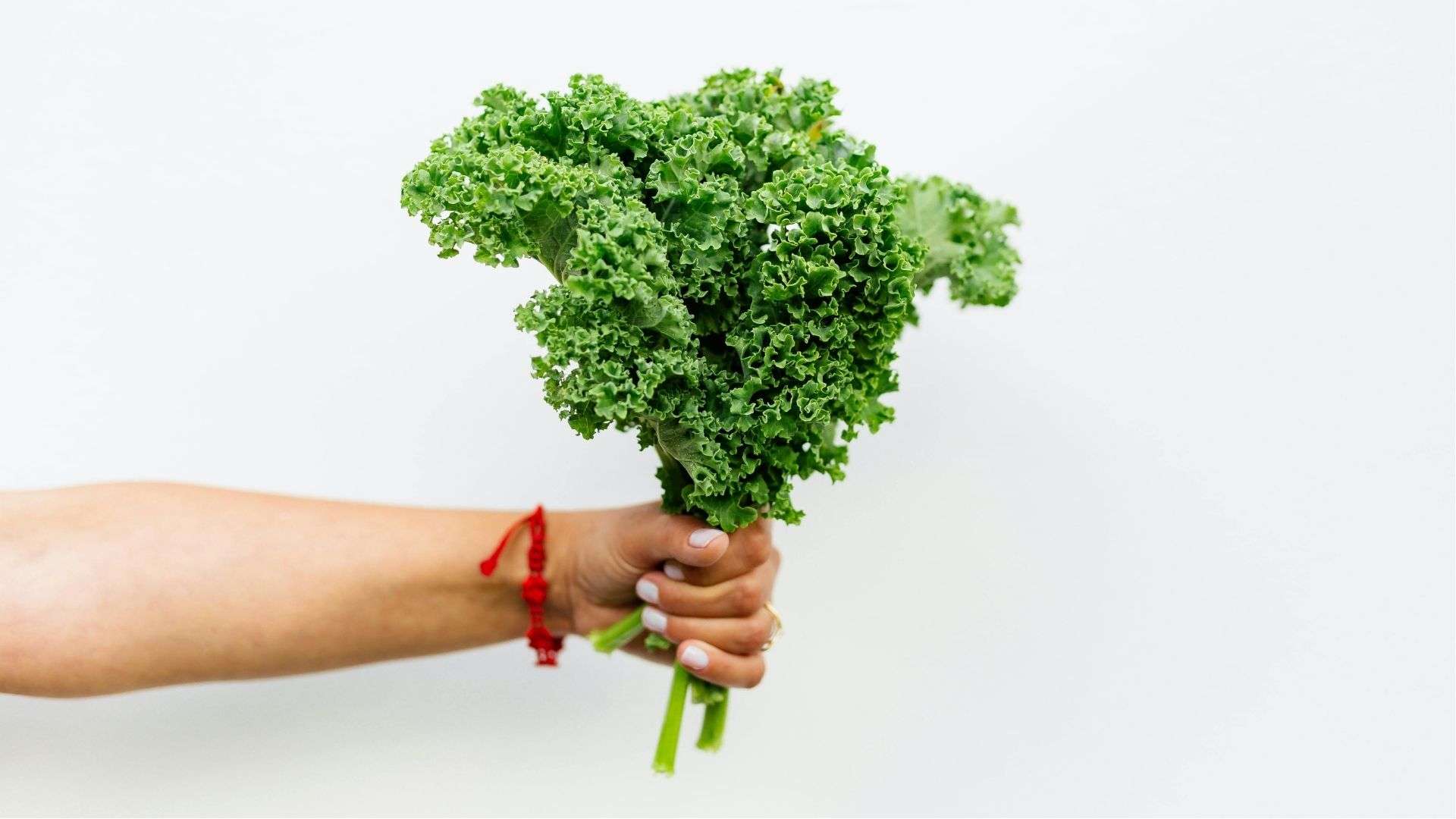
Leafy greens are basically the A+ students of the veggie world. Spinach, kale, and lettuce have extremely low GI values: kale around 10, spinach and lettuce about 15.
- Glycemic Index: ~10–15
- Spinach = vitamin K, iron, folate
- Kale = vitamins A and C, calcium
- Lettuce = vitamin A, potassium, fiber
They also contain antioxidants and anti-inflammatory compounds. Spinach even has alpha-lipoic acid, which may help reduce symptoms of diabetic neuropathy.
2. Avocado
Avocado is basically nature’s butter and definitely my go-to! It’s creamy, rich, and oh-so-good for you. With a GI around 10–15, it barely nudges your blood sugar.
- Glycemic Index: ~10–15
- Heart-healthy monounsaturated fats
- About 7 g fiber per 100 g
- Vitamins K, E, C, several B vitamins, and potassium
The healthy fats and fiber slow digestion and can improve insulin sensitivity.
Fun Fact: Adding avocado to high-carb meals can lower the overall glycemic impact.
3. Broccoli
Broccoli isn’t just a side dish… It’s a powerhouse! I eat broccoli almost every day. With a GI of about 10 and a very low glycemic load (~0.9), it’s rich in:
- Glycemic Index: ~10
- Vitamin C
- Vitamin K
- B vitamins
- Sulforaphane (a compound linked to improved insulin sensitivity)
It’s also anti-inflammatory and supports metabolic health.
? Tip: Steam it lightly to keep that bright green color and preserve nutrients.
4. Eggplant
Eggplant, or aubergine, has a GI of about 10 and is naturally low in carbs (~6 g/100 g) with 2.5 g fiber. Its purple skin is full of anthocyanins — antioxidants that help fight inflammation.
- Glycemic Index: ~10
- Its purple skin is full of anthocyanins (helps fight inflammation)
5. Asparagus
Five asparagus spears have only about 20 calories and 3 g of carbs. I love roasting asparagus with a little olive oil and lemon. It’s quick, flavorful, and keeps my blood sugar stable.
Plus, they’re rich in:
- Glycemic Index: ~10-15
- They’re rich in: Vitamins A, C, K, Folate, and Potassium
They also contain prebiotic fiber, which feeds good gut bacteria.
? Enjoying this post? Find more helpful resources in the Free Wellness Library, including e-books, checklists, trackers, and more!
6. Cauliflower
Cauliflower is the low-carb chameleon of the kitchen. GI around 15, only ~5.3 g carbs/100 g (with 2 g fiber). It’s also high in vitamin C, B vitamins, potassium, and folate.
- Glycemic Index: ~15
- High in vitamin C, B vitamins, potassium, and folate
7. Cherries
Cherries (especially tart varieties) have a GI of around 22. They’re rich in polyphenols and vitamin C, with antioxidant and anti-inflammatory effects.
One study found that tart cherry juice could lower hemoglobin A1C levels, which track long-term blood sugar.
- Glycemic Index: ~22
- Rich in polyphenols and vitamin C
8. Grapefruit
Half a medium grapefruit has about 10 g carbs, 41 calories, and 50% of your daily vitamin C. Its fiber and lower sugar content mean a gentler rise in blood sugar.
Some studies suggest it may help improve insulin resistance (but check with your doctor if you’re on certain medications).
- Glycemic Index: ~25
- May improve insulin resistance *check with your doctor if you’re on medications
9. Blackberries
With nearly 8 g fiber per cup and only ~7 g sugar, blackberries are one of the most diabetes-friendly fruits you can eat. They’re packed with anthocyanins, which may reduce inflammation and improve cholesterol levels.
- Glycemic Index: ~25
- Packed with anthocyanins
- One of the most diabetes-friendly fruits
10. Apricots
Apricots are sweet but still low GI (~34). One apricot = ~4 g carbs, 1 g fiber, and just 17 calories. They’re high in vitamin A (beta-carotene), vitamin C, and potassium.
Polyphenols in apricots are linked to better insulin sensitivity and lower blood sugar.
- Glycemic Index: ~34
- High in vitamin A, vitamin C, and potassium
Quick Recap
✅ Stick to GI ≤ 55 for steady blood sugar
✅ High fiber slows sugar absorption and supports better digestion
✅ Variety matters — mix fruits and veggies for nutrients and taste
✅ Many low-GI foods also offer extra benefits like antioxidants, vitamins, and minerals
Final Thoughts
Low-glycemic fruits and vegetables give you the best of both worlds: steady energy, nutrient-dense goodness, and plenty of options to keep your meals interesting.
These foods were a game-changer for me when I was prediabetic. Adding more low-GI fruits and veggies helped me feel better, manage my blood sugar, and enjoy eating again. And the more you work them in, the easier it becomes to keep blood sugar steady without feeling deprived.
Now, I’d love to hear from you! Which of these low-glycemic fruits or veggies will you be adding to your grocery list this week? Let me know in the comments below.
Additional Resources
- The Best Diet Plan for Weight Loss and Diabetes
- How to Lower Blood Sugar Naturally (Without Eating Less)
- 4 Healthy Sugar Alternatives You’ll Feel Good About
- 5 Powerful Foods That Act Like Ozempic—Naturally
- 7 Proven Benefits of Apple Cider Vinegar (and How to Use It Safely)

? Like this and want to save it for later? Tap the Pinterest Pin button below—it’s an easy way to keep it on hand when you need it.