
Disclosure: This post may contain affiliate links, which means I may earn a small commission at no extra cost to you. I only share products I genuinely love and recommend. This content is also for educational purposes only and is not intended to diagnose, treat, cure, or prevent any illness or disease. Please consult your healthcare provider with any medical concerns or medication questions.
For the longest time, I thought eating a banana a day meant I had my potassium bases covered. Turns out… not exactly. While bananas do have potassium (about 420 mg per medium one), they’re actually not even close to the top of the list.
Who knew?
If you’ve ever felt a little foggy, dealt with muscle cramps, or struggled with blood pressure issues, low potassium could be part of the picture.
So today, I’m breaking down 10 seriously potassium-rich foods (with the numbers to back them up), plus tips to help you get more of this essential mineral.
👉 Before we dive in, quick heads-up:
If you love having supportive resources at your fingertips, I’ve put together a Free Wellness Library just for you. It’s packed with meal planners, checklists, gut-friendly tips, and simple wellness guides. Grab it below!

What Is Potassium?
Potassium is a mineral and electrolyte your body needs to:
- Keep your heart beating steadily
- Support muscle and nerve function
- Balance out sodium levels (super important for blood pressure)
According to the NIH, most adults should aim for around 4,700 mg of potassium per day, but studies show many of us fall short.1
Not getting enough potassium can leave you feeling sluggish, crampy, or even contribute to high blood pressure. But the good news is that you can help with that through food.
10 Real Foods High in Potassium (Per Serving)
These are the real MVPs when it comes to potassium content per normal serving size.
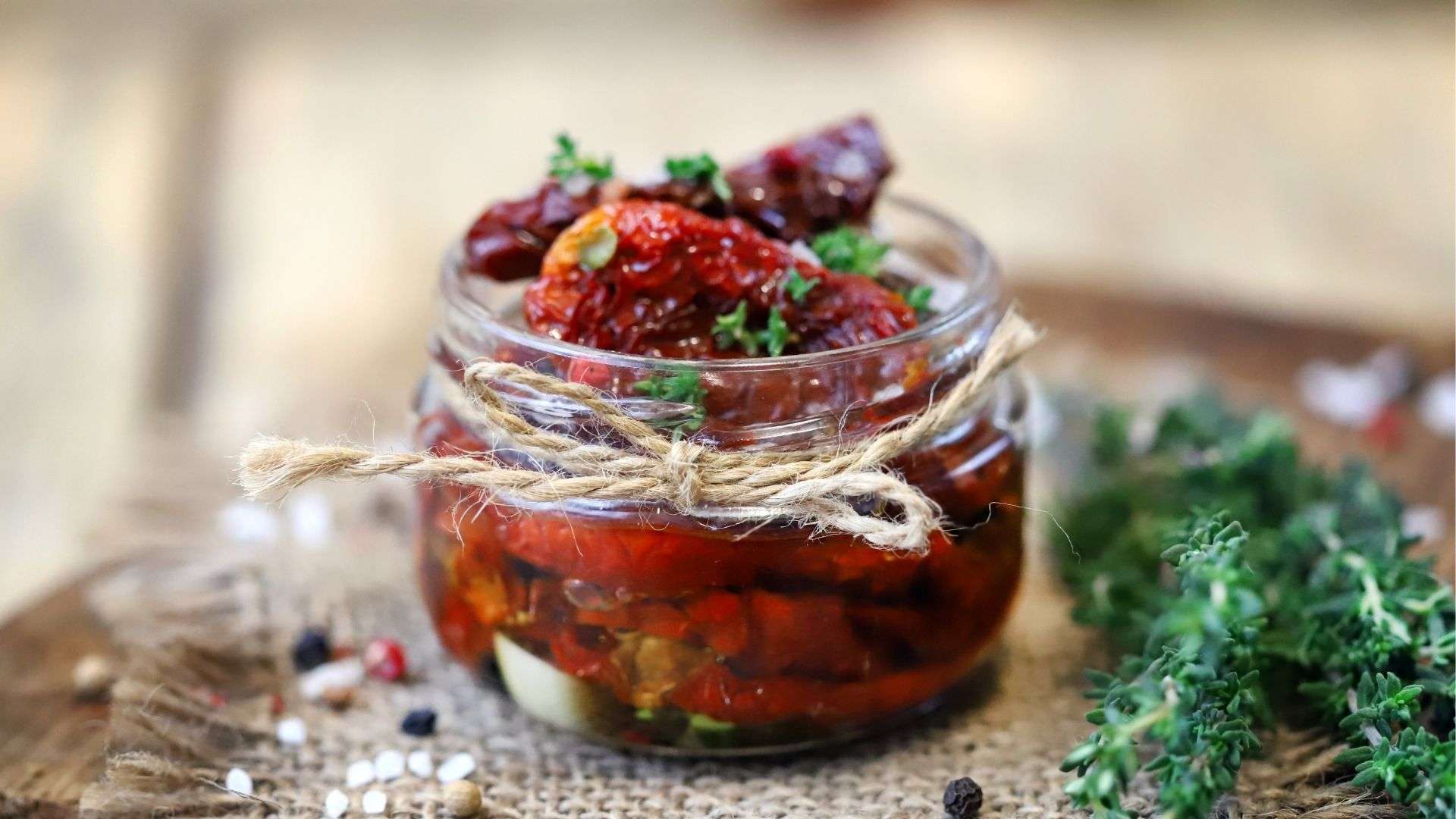
1. Sun-Dried Tomatoes
Drying concentrates the nutrients big time, and these are practically potassium powerhouses. Just watch out if they’re packed in salty brine, sodium can sneak in that way.
- Serving: 1,850 mg per 1 cup
- Best for salads, pasta, snacking with cheese
- Not kidney-friendly in large amounts
2. Beet Greens (cooked)
The leafy tops of beets are often tossed, but wow… they are loaded with potassium. Plus, they’re low in sodium and calories.
- Serving: 1,309 mg per 1 cup
- Best for sautéed with garlic, added to soups
- High in oxalates and vitamin K; not ideal if you’re on blood thinners or managing kidney issues
3. Fufu (West African staple)
Made from yams or cassava, fufu is a staple in West African cuisine and packs a potassium punch.
- Serving: 1,080 mg per 1 cup
- Best for pairing with soups or stews
- High in carbs and potassium, so portion control matters
4. Swiss Chard (cooked)
Another leafy green with superpowers. Swiss chard is rich in potassium, magnesium, and vitamins, and tastes way better than it looks raw, promise.
- Serving: 961 mg per 1 cup
- Best for stir-fries, sautéed sides
- Avoid big portions if managing kidney disease
5. White Beans (Lima)
Legumes for the win! White beans aren’t just protein-rich — they bring the potassium, too.
- Serving: 955 mg per 1 cup
- Best for chili, soups, mashed as a side
- Rinse canned beans to ditch up to 40% of the sodium
👉 Side note: If you like practical tools at your fingertips, you’ll love the Free Wellness Library—it’s full of gut-friendly guides, meal planners, food trackers, and simple health checklists. You can get free access below!
6. Baked Potato (with skin)
Most of the potassium lives in the skin, so don’t skip it! Super simple, super filling, and super budget-friendly.
- Serving: 926 mg per medium potato
- Best for baked, roasted, or turned into mash
- Boiling or leaching can lower potassium, useful if you need to limit it
7. Avocado
It’s rich in fat, but it’s the good kind. Avocados bring heart-healthy monounsaturated fats and more potassium than a banana.
- Serving: 975 mg per whole fruit
- Best for toast, smoothies, guac
- Watch portions if you’re on a potassium-restricted plan
8. Acorn Squash (cooked)
Soft, naturally sweet, and packed with potassium and vitamin A.
- Serving: 896 mg per 1 cup
- Best for roasted or pureed as a side
- Great swap for starchier, lower-potassium sides
9. Plain Yogurt
Plain yogurt — nonfat or full-fat — is a great potassium-rich option. Just make sure it’s unsweetened.
- Serving: 625 mg per 1 cup
- Best for breakfast bowls, smoothies, sauces
- Go for plain to avoid added sugar
10. Clams (cooked)
Seafood lovers, rejoice. Clams are high in potassium and B12 and iron.
- Serving: 534 mg per 3 oz
- Best for pasta, chowder, grilled
- Canned versions can be salty; look for low-sodium options
What About Bananas?
Yes! Bananas have potassium. A medium one gives you about 420 mg, which is great. Think of them as a supporting player, not the star.
Other everyday foods, such as sweet potatoes, oranges, and lentils, also contribute, but they didn’t make the top 10 list.
How to Get More Potassium in Your Day
Here are a few simple ways to level up your potassium game:
- Add beans or cooked greens to your lunch
- Swap out chips for baked potato wedges
- Blend avocado or yogurt into smoothies
- Try roasted squash instead of pasta
- Sprinkle sun-dried tomatoes on your salad
Potassium & Kidney Health
If you’ve been told to limit potassium (especially with chronic kidney disease), be cautious. Foods like beans, greens, and avocado can push potassium levels too high if your body can’t process them well.
Some tips:
- Stick to smaller portions
- Try leaching (boiling, draining, and rinsing) to reduce potassium
- Always check with your healthcare provider or dietitian
For everyone else, getting more potassium is one of the best ways to balance sodium, lower blood pressure, and support heart health, all with real food.
Quick Recap
✅ Potassium = essential for muscles, heart, and blood pressure
✅ Most of us need way more than we’re getting
✅ These 10 foods? All-stars. (Yes, even the clams!)
✅ If you’ve got kidney issues, be mindful — but don’t panic
✅ You can totally boost your potassium intake with simple swaps
Final Thoughts
Potassium might not be the flashiest nutrient out there, but wow, it quietly does so much for your body. From keeping your heart steady to helping your muscles function and balancing out sodium, it’s kind of a big deal.
Whether you’re dealing with blood pressure issues, want more energy, or just love a good excuse to eat more avocado (I mean, who doesn’t?), potassium-rich foods can make a noticeable difference.
If you have any medical conditions like kidney disease, always check with your medical provider first. Your body’s needs might be different, and that’s okay.
So, now I’d love to hear from you! Which high-potassium food surprised you the most, or are you excited to try next? Let me know in the comments.
💢 Still dealing with bloating, fatigue, or inflammation, no matter what you try?
If you’ve been chasing symptoms and nothing seems to stick, it’s time to look deeper. I’d love to help you uncover the root cause of your digestive + hormone issues so you can finally get the answers you’ve been looking for.
👉 To get started, learn how private coaching and functional lab testing can help you.
Additional Resource
- 5 Powerful Foods That Act Like Ozempic—Naturally
- How to Lower Blood Sugar Naturally (Without Eating Less)
- 6 Unhealthy Foods to Avoid If You Want to Feel Better
- 5 Best Foods for Gut Health and Weight Loss
- 10 Best Debloating Foods to Eat When You’re Feeling Bloated
Footnote:
👉 Like this and want to save it for later? Tap the Pinterest Pin button below—it’s an easy way to keep it on hand when you need it.