

Disclosure: This post may contain affiliate links, which means I may earn a small commission at no extra cost to you. I only share products I genuinely love and recommend. This content is also for educational purposes only and is not intended to diagnose, treat, cure, or prevent any illness or disease. Please consult your healthcare provider with any medical concerns or medication questions.
I’ve recently added the Xtrema Pure Ceramic Cookware to my kitchen lineup after hearing so much buzz about its non-toxic claims. As someone who’s becoming more intentional about what touches my food, from ingredients to cookware, this felt like a smart step toward creating a healthier, low-tox home.
I’ve spent a lot of time researching, comparing options, and digging into what makes Xtrema different. This post covers everything I learned, what stood out to me right away, and the pros and cons you should know if you’re considering making the switch as well.
Why You Can Trust This Review
There’s a lot of information out there about “non-toxic” cookware, and it can be overwhelming. So here’s why you can trust what you’re reading here.
- I’m an Integrative Health Practitioner, which is just a fancy way of saying I’ve spent a lot of time learning about how everyday things, like the pans we cook with, can impact our health.
- First-Hand Testing – I’ve personally cooked with the Xtrema Pure Ceramic Cookware in my own kitchen, testing everything from stovetop soups to oven-baked casseroles.
- Independent Research – I’ve dug into third-party safety reports, compared brands, and looked past the marketing claims to see what’s really going on.
- Verified Customer Feedback Analysis – Beyond my own experience, I read a lot of customer reviews to see how this holds up for different cooking styles, family sizes, and kitchen chaos levels.
Quick Verdict
If you want pure ceramic cookware with no toxic coatings, metals, or leaching risks, Xtrema is one of the few brands that’s truly 100% ceramic inside and out. It’s durable, oven-safe, and beautiful enough for stovetop-to-table use.
✅ Best for: Health-conscious cooks who want long-lasting, non-toxic cookware.
❌ Not for: People who need ultra-light pans or non-stick convenience.
Top Features at a Glance
| Feature | Why It Matters | Xtrema Advantage |
|---|---|---|
| 100% pure ceramic | No coatings or hidden metals | Safer for food & health |
| Non-toxic, non-leaching | Meets & exceeds Prop 65 | Peace of mind while cooking |
| Heat retention | Stays hot longer | Energy savings & consistent results |
| Versatility | Oven, microwave, dishwasher safe | One pan = multiple uses |
Why Cookware Safety Matters
Let’s start here.
Traditional non-stick cookware is often coated in PFAS (aka “forever chemicals”), which are linked to serious health issues like:
- Hormone disruption
- Thyroid problems
- Infertility
- ADHD
- Cancer1
These chemicals don’t break down easily.
They accumulate in the body and the environment, and the EU is already moving to restrict them.
Multiple studies have found that PTFE-coated cookware can leach perfluorinated compounds and emit toxic gases when heated2 3. Even worse, Teflon cookware has been shown to release microplastics and nanoplastics into your food with repeated use.4
So it’s no surprise many of us are looking for safer options.
What Makes Xtrema Different?
After trying other “ceramic” cookware brands that turned out to be just ceramic-coated over aluminum, I found Xtrema to be one of the few brands that’s pure, solid ceramic through and through.
Here’s what sets it apart:
Non-Toxic, Non-Leaching
Every batch of Xtrema cookware is third-party tested for lead and cadmium leaching, and they publish the reports. That’s rare transparency, and they exceed California Prop 65 standards, so no warning labels here.
100% Pure Ceramic (Not Just a Coating)
No metal core underneath means nothing to leach into your food, even if the surface gets scratched. That’s a big deal, because cookware made from aluminum or copper can leach metals linked to neurotoxicity and liver issues.5 6
Built to Last
Unlike cheaper ceramic-coated pans that chip or degrade, Xtrema holds up over time, and because it’s solid ceramic, there’s no hidden metal underneath to worry about.
Excellent Heat Retention
Once it’s hot, it stays hot, which saves energy and keeps food warm longer. You can use it on the stove, in the oven, and even at the table.
Xtrema Pros & Cons
Pros
- Non-toxic and non-reactive — no metals, coatings, or synthetic materials
- Stylish and functional — great for stovetop-to-table use
- Dishwasher, microwave, and oven safe
- Great for heat retention
Cons
- Heavy — especially when full of food
- Not non-stick — you’ll need to preheat with oil
- Can break if dropped or heat shocked
- Requires wooden or silicone utensils — metal will scratch
Even stainless steel, often considered a safer choice, has been shown to leach nickel and chromium into food during cooking, especially in acidic dishes.7
If you’re someone who loves quick preheats or tends to drop things often (no shame!), these are worth considering.
Tips for Cooking with Xtrema
Using ceramic cookware isn’t hard, but it is different.
Here’s what works for many users:
- Preheat low and slow with a healthy fat (like grass-fed ghee)
- Avoid sudden temperature changes — let pans cool naturally
- Use wooden utensils only
- Don’t cook cold food (like meat straight from the fridge) on a hot pan
Once you get the rhythm, it becomes second nature.
Is Xtrema Cookware Worth It?
If you want to detox your kitchen and care about what’s touching your food, Xtrema is 100% worth considering.
It’s not cheap, but it’s also not a short-term purchase. This is cookware that’s built to last, and for many, the peace of mind is priceless.
Quick Recap
✅ Pure ceramic. No coatings, no metals.
✅ Non-leaching and third-party tested.
✅ Built to last and beautiful on the table.
✅ Heavy, fragile, and not non-stick, but manageable.
Final Thoughts
Choosing safer cookware is one of those small but powerful decisions that can have a big impact on your health and peace of mind. For me, bringing the Xtrema Pure Ceramic Cookware into my kitchen felt like a conscious step toward creating a low-tox, more intentional home.
If you’re someone who values transparency, durability, and cooking without worrying about hidden toxins, it might be exactly what you’re looking for.
Now, I’d love to hear from you! What’s the biggest thing holding you back from switching to non-toxic cookware — cost, convenience, or something else? I’d love to hear your thoughts in the comments!
Additional Resource
- How to Protect Your Skin from the Sun Naturally
- 4 Proven Poison Ivy Relief Home Remedies That Actually Work
- 3 Powerful Mosquito Bite Remedies at Home That Actually Work
- How to Prepare for a Detox in 4 Simple Steps (So You Actually Enjoy It!)
Footnote:
- Presence of PFAS in Food Contact Materials and Its Migration to Food – NIH ↩︎
- Migration of Perfluorinated Compounds from PTFE-Coated Cookware – NIH ↩︎
- Emission of Perfluoroalkyl Carboxylic Acids from Heated PTFE – NIH ↩︎
- Raman Imaging for Teflon Microplastics Released from Non-Stick Cookware – NIH ↩︎
- Neurotoxic Effects of Aluminium Exposure – NIH ↩︎
- Copper Toxicity – NIH ↩︎
- Stainless Steel Leaches Nickel and Chromium into Foods – NIH ↩︎
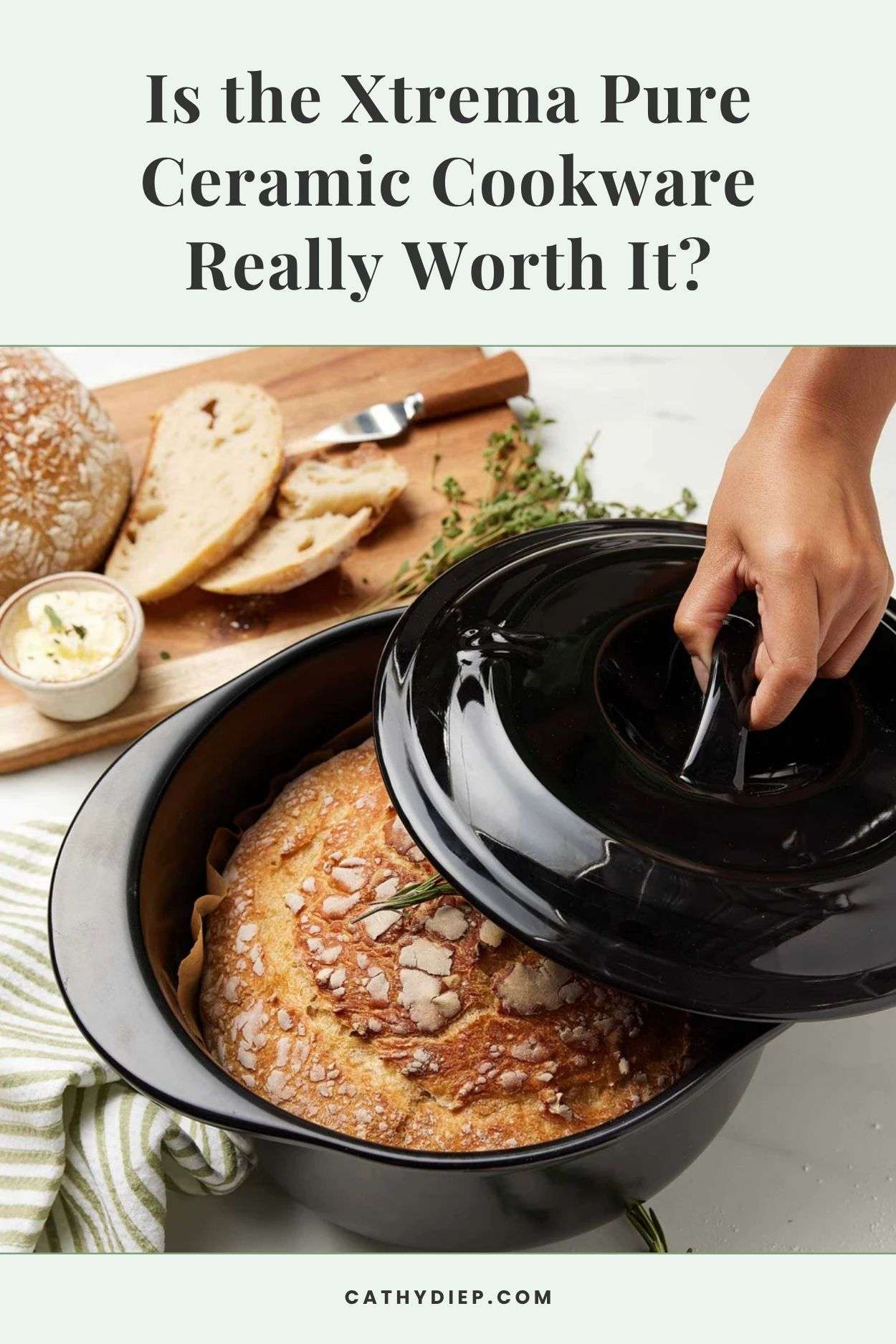
? Like this and want to save it for later? Tap the Pinterest Pin button below—it’s an easy way to keep it on hand when you need it.