

Disclosure: This post may contain affiliate links, which means I may earn a small commission at no extra cost to you. I only share products I genuinely love and recommend. This content is also for educational purposes only and is not intended to diagnose, treat, cure, or prevent any illness or disease. Please consult your healthcare provider with any medical concerns or medication questions.
We’ve talked about magnesium before, but it’s still one of the most common nutrient deficiencies I see. What makes it tricky is that most people have no idea it’s low. There are often signs, but they get brushed off or blamed on stress, aging, or just being busy.
You can feel exhausted, anxious, inflamed, and constantly on edge, yet your blood work comes back “normal.” That doesn’t mean your body is working optimally. It simply means you’re not in a medical emergency. Functional deficiencies can exist long before anything shows up on standard labs.
That’s why today I want to walk you through the top 10 signs of low magnesium, so you can better understand what your body may be trying to tell you.
? Before we dive in, make sure to grab access to my Free Wellness Library. It’s packed with e-books, gut health checklists, food trackers, and practical resources to help you feel better faster. You can get your free access below!

Why Magnesium Deficiency Is So Common
Magnesium almost always looks normal on standard blood work.
Blood tests are great for detecting disease states. Everyone should run them yearly. But they do not usually show what’s happening at a tissue or functional level.
Minerals like calcium, magnesium, sodium, and potassium are tightly regulated in the blood. If they were truly low there, you’d be very sick.
That’s why functional medicine doctors often rely on minerals and metals testing, sometimes called an HTMA.
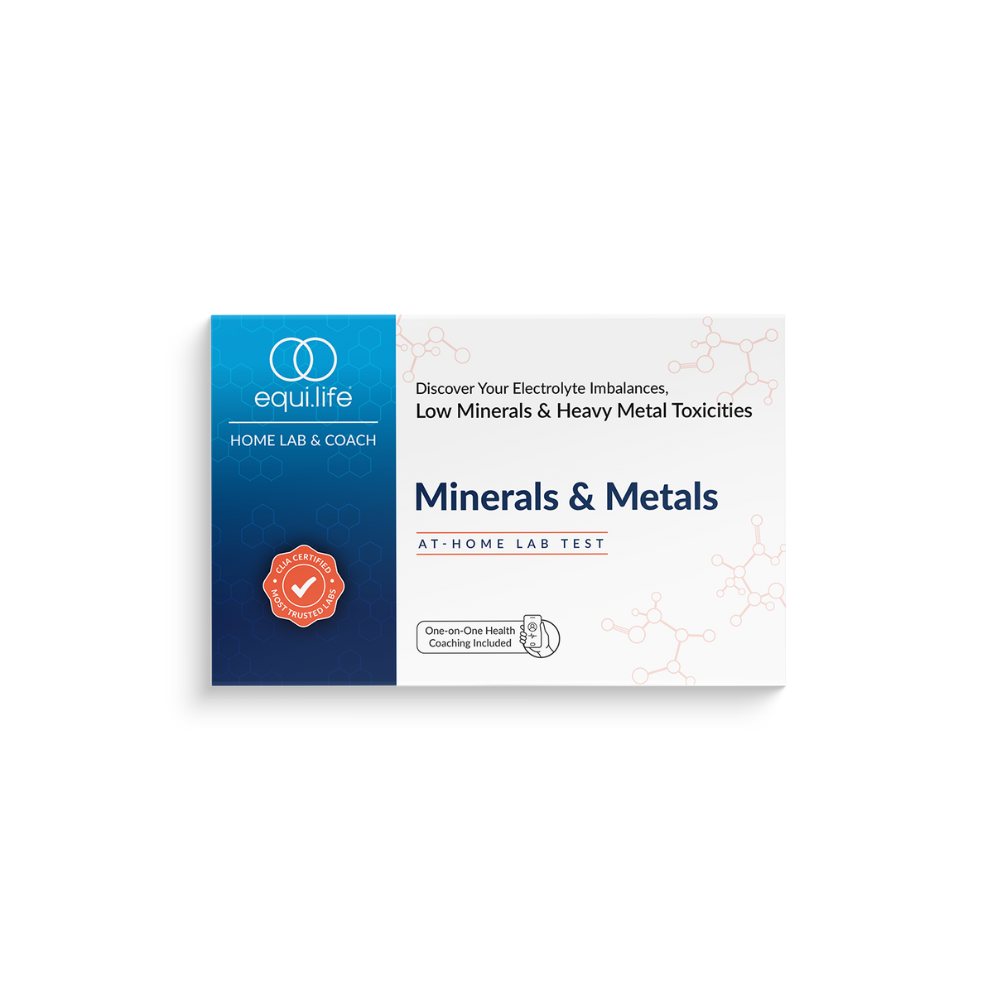
My go-to at-home lab for uncovering hidden mineral imbalances like low magnesium and understanding how stress may be affecting your body.
In practice, about 80 percent of people show functionally low magnesium. Not zero. Just suboptimal. And that’s enough to cause symptoms.
The Top 10 Signs of Low Magnesium
1. Poor Sleep
This is the number one sign I see.
If your mind races at night and you struggle to turn it off, low magnesium could be part of the picture. Magnesium helps calm the nervous system, especially the fight or flight response.
Sometimes people blame high cortisol, and that can be true. But often cortisol stays high because the body is stuck in a stressed state. Magnesium helps signal safety. When it’s low, your brain never really gets the message that it’s okay to rest.
Related:
How to Fall Asleep Quickly with the 3-2-1 Sleep Method
2. Anxiety or Feeling Overwhelmed
If you feel overly anxious, easily overwhelmed, or constantly on edge, magnesium may be worth looking into. It plays a role in calming the nervous system overall, not just during sleep.
3. Poor Recovery From Exercise
This one was a big surprise for me personally.
I was always inflamed after exercise. Always sore. Always recovering slowly. I didn’t know until my mid thirties that my magnesium levels were very low. Once that imbalance started improving, recovery became easier.
Magnesium helps balance calcium in the body. When that balance is off, inflammation and poor recovery can follow.
4. Chronic Stress
Yes, we all get stressed. That’s life.
But when stress becomes chronic, magnesium gets depleted faster. Stress burns through magnesium, along with B vitamins, zinc, and vitamin C.
As magnesium drops, stress feels worse because your nervous system cannot calm down properly.
Stress depletes magnesium, and low magnesium increases stress. It becomes a loop.
Related:
10 Hidden Signs of High Cortisol (And How to Fix It)
5. Muscle Cramps and Eye Twitches
This is a classic one.
Calf cramps, foot cramps, and even eye flutters or twitching can all be signs of low magnesium.
Muscles rely on a balance between calcium and magnesium to contract and relax. When magnesium is low, muscles tend to stay tense, which can lead to cramping and twitching.
6. Muscle and Joint Weakness
This is closely related but slightly different.
If your muscles feel weak during workouts or even during everyday things like walking up stairs, magnesium could be involved.
Without enough magnesium, muscles fatigue faster and do not function efficiently.
7. Feeling Tired or Fatigued All the Time
Fatigue can come from many places. B vitamin issues, gut problems, toxicities, or food sensitivities.
But fatigue is also a major sign of low magnesium.
When you combine poor sleep, anxiety, stress, and poor recovery, the body gets worn down.
Magnesium supports nervous system balance, so when it’s low, exhaustion makes sense.
Related:
8 Hidden Symptoms of Adrenal Fatigue Most People Miss
8. Constipation
This one often surprises people. Magnesium supports muscle relaxation, including the muscles in the digestive tract.
When magnesium is low, bowel movements can slow down, leading to constipation.
9. High Blood Pressure
Many people with high blood pressure are functionally low in magnesium. Magnesium supports relaxation of blood vessels. Blood pressure is about pressure and tension, and magnesium helps with relaxation.
It is not the only factor, and it is not a replacement for medical care. But it is an important piece of the picture for many people.
10. Elevated Resting Heart Rate
You’ll often hear that a resting heart rate between 60 and 100 is normal. That’s a wide range.
While it may be medically acceptable, it’s not always optimal.
A resting heart rate consistently in the high 70s or above often means the body is under more stress.
Heart rate rises as stress increases. That’s true during exercise and at rest. Low magnesium can contribute to this by keeping the nervous system stuck in fight or flight.
Quick Recap
✅ Magnesium deficiency is extremely common
✅ Blood work can look normal even when levels are low
✅ Poor sleep and anxiety are early signs
✅ Stress both drains magnesium and worsens symptoms
✅ Muscle cramps, weakness, and slow recovery are common
✅ Fatigue and constipation are often overlooked
✅ High blood pressure and elevated heart rate may be linked
✅ Symptoms are signals and deserve attention
Final Thoughts
If you see yourself in several of these signs, it means your body may be asking for support. Magnesium is one of the most common missing pieces, and it often goes unnoticed because standard tests do not catch it.
Awareness is the first step. From there, you can decide what makes sense for your body, whether that’s testing, lifestyle changes, or simply paying closer attention to how you feel.
Now I’d love to hear from you! Which of these signs made you pause and think, “That might be me”? Let me know in the comments below.
? Still dealing with bloating, fatigue, or gut issues, no matter what you try?
If you’ve been chasing symptoms and nothing seems to stick, it’s time to look deeper. I’d love to help you uncover the root cause of your digestive issues so you can finally get the answers you’ve been looking for.
? To get started, learn how private coaching and functional lab testing can help support your gut-healing journey.
Additional Resources
- 13 Common Types of Magnesium (and How to Know Which One to Use)
- 10 Hidden Signs of High Cortisol (And How to Fix It)
- When is the Best Time to Test Cortisol: Morning or Night?
- 8 Best Foods That Lower Cortisol and Calm Stress
- 8 Hidden Symptoms of Adrenal Fatigue Most People Miss

? Like this and want to save it for later? Tap the Pinterest Pin button below—it’s an easy way to keep it on hand when you need it.