

Disclosure: This post may contain affiliate links, which means I may earn a small commission at no extra cost to you. I only share products I genuinely love and recommend. This content is also for educational purposes only and is not intended to diagnose, treat, cure, or prevent any illness or disease. Please consult your healthcare provider with any medical concerns or medication questions.
If you’ve been struggling with bloating, skin issues, low energy, or mysterious inflammation, you might be dealing with something deeper than “just digestion.” It could be leaky gut, and yes, it’s as unpleasant as it sounds.
But here’s the good news…you can repair it! And you don’t need a dozen supplements, restrictive diets, or endless guesswork to do it. There’s a clear, science-backed framework that works called the 4R Protocol, which stands for: Remove, Replace, Repair, and Rebalance.
In this post, I’ll break down each step of the 4R Protocol so you can understand what’s happening inside your gut and start rebuilding it from the inside out. You’ll learn how to remove what’s causing irritation, replace what your body’s missing, repair the gut lining, and rebalance your microbiome.
👉 Before we get started:
Be sure to grab access to my Free Wellness Library. It’s packed with e-books, gut health checklists, food trackers, and practical resources to help you feel better faster. You can get your free access below!

What Exactly Is Leaky Gut?
Your gut is like a long, living “plumbing system” that runs through your body. Inside that 28 feet of digestive tract, your gut wall acts as a protective barrier between the outside world and your bloodstream.
When it’s healthy, only the good stuff gets through, like amino acids, sugars, and healthy fats from your food.
When it’s damaged, though, the lining becomes “leaky.” That allows unwanted things like bacteria, yeast, proteins, and toxins to slip into your bloodstream, triggering inflammation, joint pain, headaches, skin breakouts, autoimmune issues, and poor immunity.
In fact, about 70% to 80% of your immune system lives right outside your gut wall. So if your gut health is off, your whole body feels it.1
The 4R Gut Repair Protocol
Healing leaky gut happens in stages. Here’s how it works:
Step 1: Remove
Before you add anything new, you first need to remove what’s harming your gut. That includes:
- H. pylori, a bacteria that lives in the stomach and reduces stomach acid (which you need to digest protein and absorb nutrients like zinc and magnesium).
- Parasites, which can cause loose stools, fatigue, or worsening symptoms at night.
- Yeast overgrowth (Candida), often triggered after antibiotics or sugar-heavy diets.
- Bacterial overgrowth (SIBO) in the small intestine, which leads to bloating, gas, and discomfort.
How to identify them: A stool test can detect H. pylori and parasites. For many people, the main issue is usually bacterial imbalance or yeast overgrowth.
Related:
The 4 Root Causes of Digestive Problems (And How to Heal Them Naturally)
SIBO or SIFO? Here’s How to Spot the Difference
How to remove them naturally: Herbal blends using ingredients such as berberine, zinc, mastic gum, and biofilm disruptors (enzymes that break down the protective layer microbes hide behind) help clear bacteria and yeast.
For parasites, herbs like wormwood, black walnut, and cloves have been used for centuries across different traditional medicine systems.
? Important: Don’t start adding probiotics yet. When your gut is overgrown with bacteria, adding more can actually make things worse.
Step 2: Replace
Once you’ve removed the bad stuff, it’s time to nourish your body with foods that support healing.
A lot of people think “gut-healing” means cutting out all carbs forever. Not true. It’s choosing the right carbs that don’t ferment and feed bad bacteria or yeast.
- Choose fruits and veggies higher in glucose than fructose, so they digest faster and don’t linger in the gut.
- Include lean proteins, healthy fats, and easily digested starches.
- Avoid sugar alcohols, refined carbs, or foods that slow digestion and promote fermentation.
❌ Avoid extremes. Super high-fat or high-protein diets can also backfire. Without enough stomach acid or bile flow, excess fats and proteins can ferment or stagnate in your system.
Related:
6 Unhealthy Foods to Avoid If You Want to Feel Better
Step 3: Repair
Now that the gut is cleared and nourished, you start healing the lining itself.
The top nutrients for this are:
- L-glutamine: an amino acid that helps seal up the gut wall.
- Zinc: strengthens intestinal integrity.
- Aloe vera: soothes inflammation and irritation.
I recommend the Healthy Gut Support, that contains all of these top nutrients.
Try this simple healing smoothie:
- 1 scoop hypoallergenic protein powder (no inulin, sugar alcohols, or maltodextrin)
- 1 scoop gut support blend (with zinc, L-glutamine, and aloe)
- Add water or plant milk, a handful of spinach, and a bit of coconut cream for flavor.
Drink this daily for at least 30–90 days while your gut repairs.
Step 4: Rebalance
Now that your gut is clear and strong, it’s time to restore balance with healthy microbes.
But timing is everything. Start slow:
- Begin with single-strain probiotics (Lactobacillus species) that colonize the small intestine.
- Once stable, add Bifidobacterium strains to support the large intestine.
- Always choose low-histamine, dairy-free probiotics if you’re sensitive.
Support your new microbiome with nutrient-dense foods and ongoing supplements like:
- A daily multivitamin and mineral powder (for energy and repair)
- A daily probiotic blend
- A daily fruit and vegetable mix to add antioxidants and fiber
This combo gives your gut what it needs to stay balanced for the long haul.
If you’re looking for a done-for-you plan that takes you through the entire 12 weeks…
👉 Check out the EquiLife Candida & Bacterial Optimizer (CBO) Protocol
This is the exact same protocol I recommend to people who are ready to stop chasing symptoms and finally get to the root of their gut issues.
Maintaining Gut Health Long-Term
Once your gut feels stable again, maintenance becomes simple:
- Keep eating real, whole foods.
- Stay consistent with your basic gut-supportive routine.
- Add magnesium, B vitamins, or other nutrients if you need them.
Quick Recap
✅ Remove: Clear out harmful bacteria, yeast, and parasites.
✅ Replace: Eat nourishing foods that don’t feed overgrowth.
✅ Repair: Rebuild your gut lining with zinc, glutamine, and aloe.
✅ Rebalance: Add probiotics strategically for long-term balance.
Final Thoughts
Your gut influences almost everything: from your energy and mood to your skin and immunity. When that lining becomes leaky, the whole body feels the effects. The 4R approach offers a simple, effective path to healing: remove what doesn’t belong, replace what your body needs, repair the gut wall, and rebalance with the right probiotics at the right time.
Now I’d love to hear from you! What’s one small step you’ll take this week to support your gut health? Share it in the comments below.
💢 Still dealing with bloating, fatigue, or inflammation, no matter what you try?
If you’ve been chasing symptoms and nothing seems to stick, it’s time to look deeper. I’d love to help you uncover the root cause of your digestive + hormone issues so you can finally get the answers you’ve been looking for.
👉 To get started, learn how private coaching and functional lab testing can help you.
Additional Resources
- How to Recognize the Hidden Signs of H. Pylori
- How to Naturally Eliminate Small Intestinal Bacterial Overgrowth (SIBO) in 12 Weeks
- The Truth About the Candida Diet (and Why It Often Fails)
- How to Fix Low Stomach Acid Naturally (And Protect Your Gut)
- 15 Best Prebiotic Foods Your Gut Will Love
Footnote:
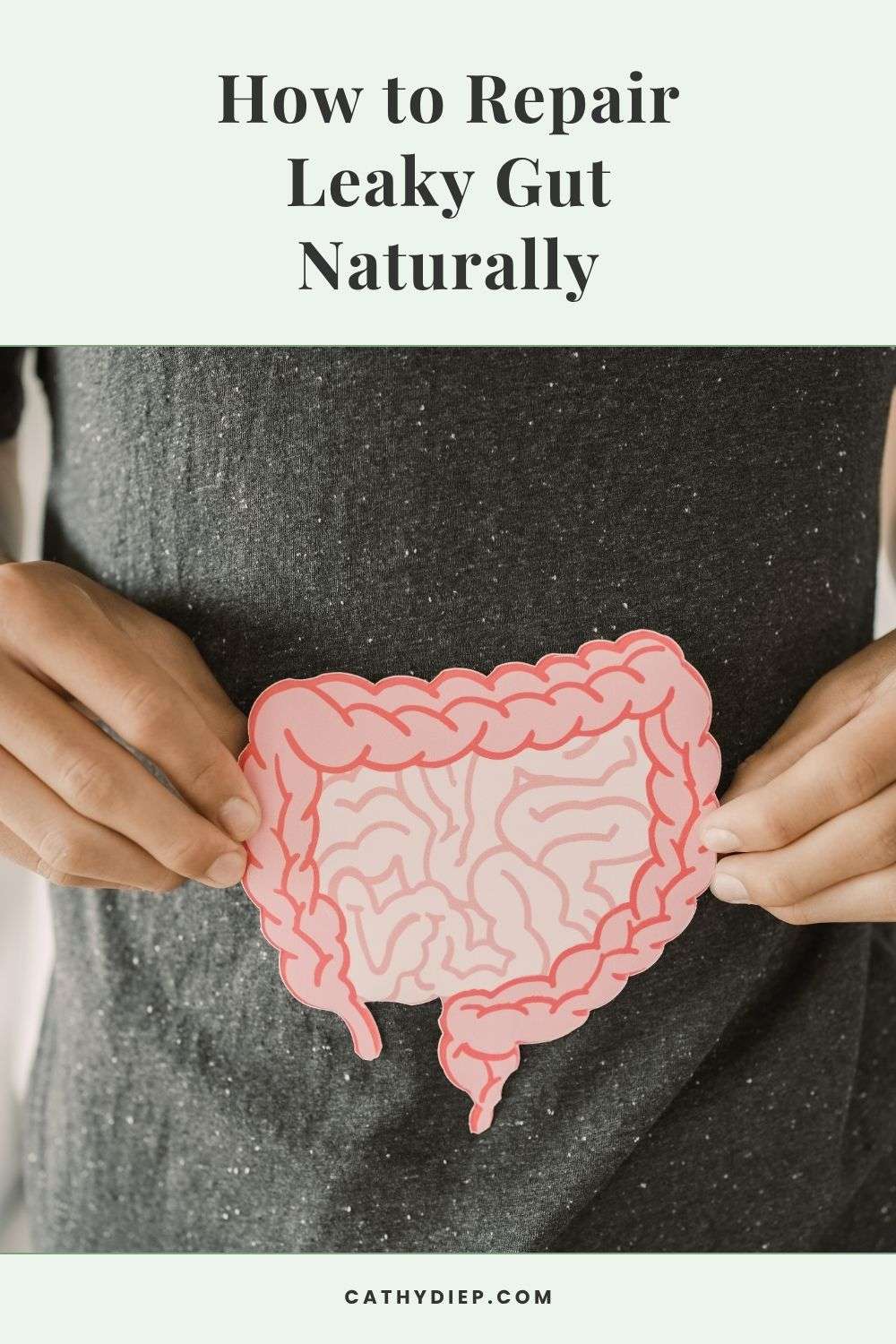
👉 Like this and want to save it for later? Tap the Pinterest Pin button below—it’s an easy way to keep it on hand when you need it.